Land Tenancy Agreements protecting Refugees’ Land Access Rights
Many refugees living in host communities rent extra land to grow more food and support their families. However, for many renting land is often based on verbal agreements, leaving them vulnerable to disputes exploitation and the constant fear of losing both their land and the crops they have invested in.
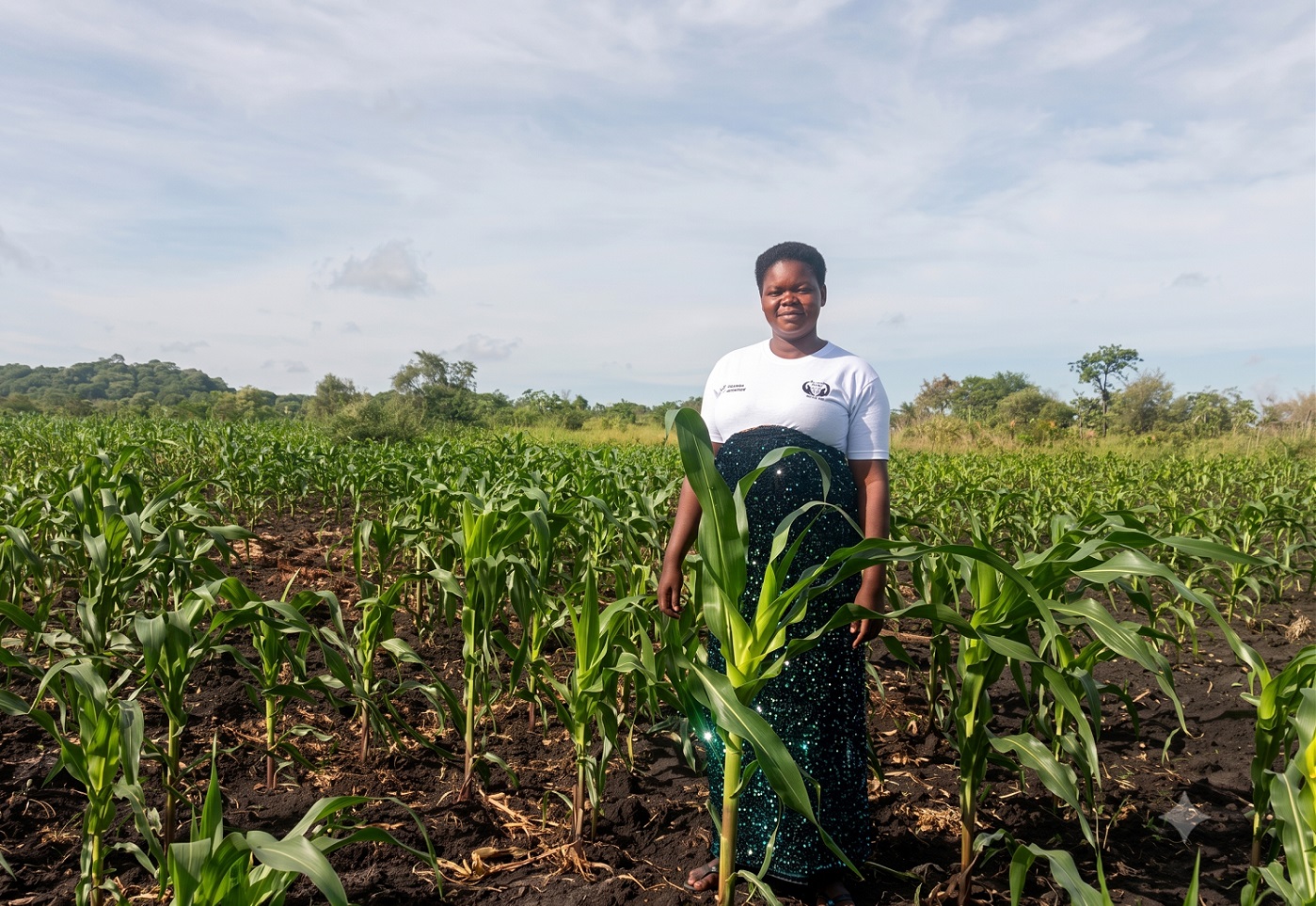
This was the reality for Rode Adye, a Person of Concern (PoC), whose farming journey was disrupted by a land dispute at the beginning of the first planting season in 2025.
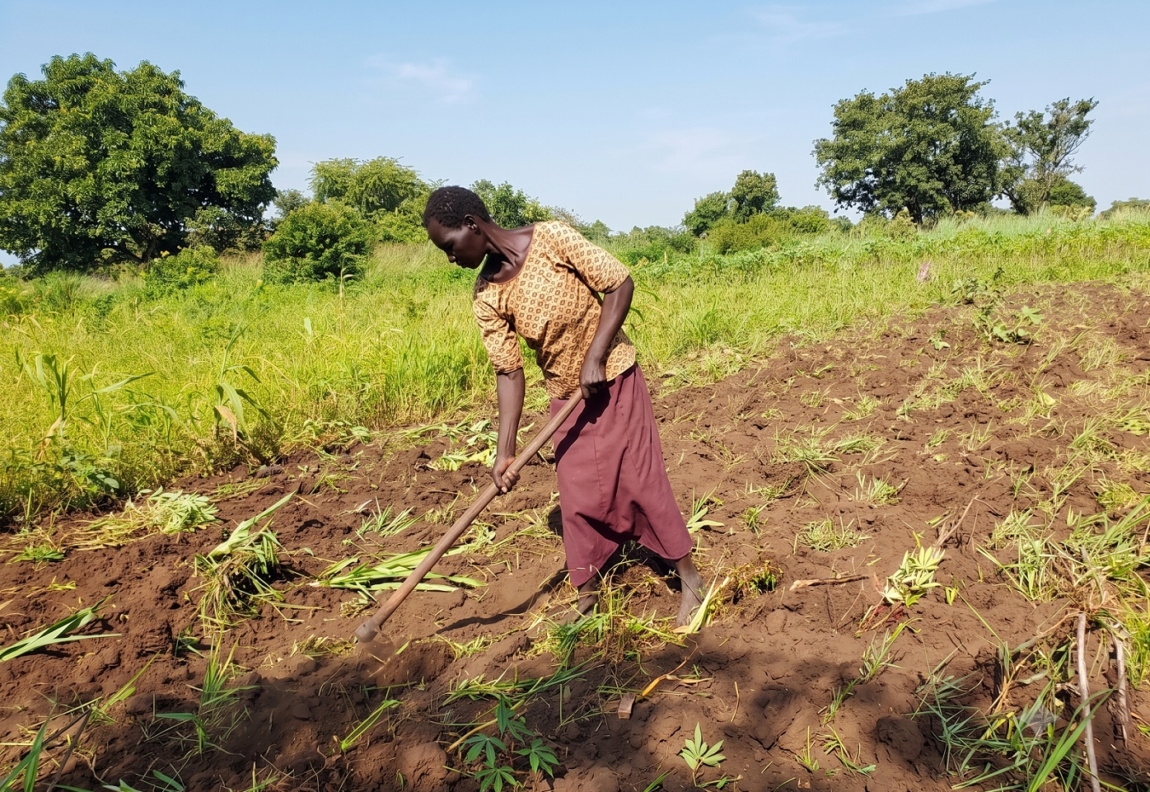
After renting a piece of farmland for Shs 50,000, Rose cleared the land and planted maize. Just as the crop was beginning to germinate, her landlord claimed he had no record of receiving payment for the previous season and demanded that she pay again. He warned that unless she made another payment, she would no longer be allowed to use the land.
Faced with the possibility of losing both the land and the crop she had already planted, Rose out of fear paid the additional Shs, 50,000.“I had no choice but to pay for the land a second time. I had already invested my money, I had planted my maize, I had no choice, “ Rose recalled.
Although she believed the demand was unfair, she no written evidence to prove that she already paid. Like many refugees, her tenancy agreement was based on a verbal agreement leaving her with no evidence and confidence to report the matter to the Refugee Welfare Council 1 (RWC 1). She feared that raising the complaint would damage her relationship with the landlord and jeopardize her chances of accessing farmland from any other landlord in the future.
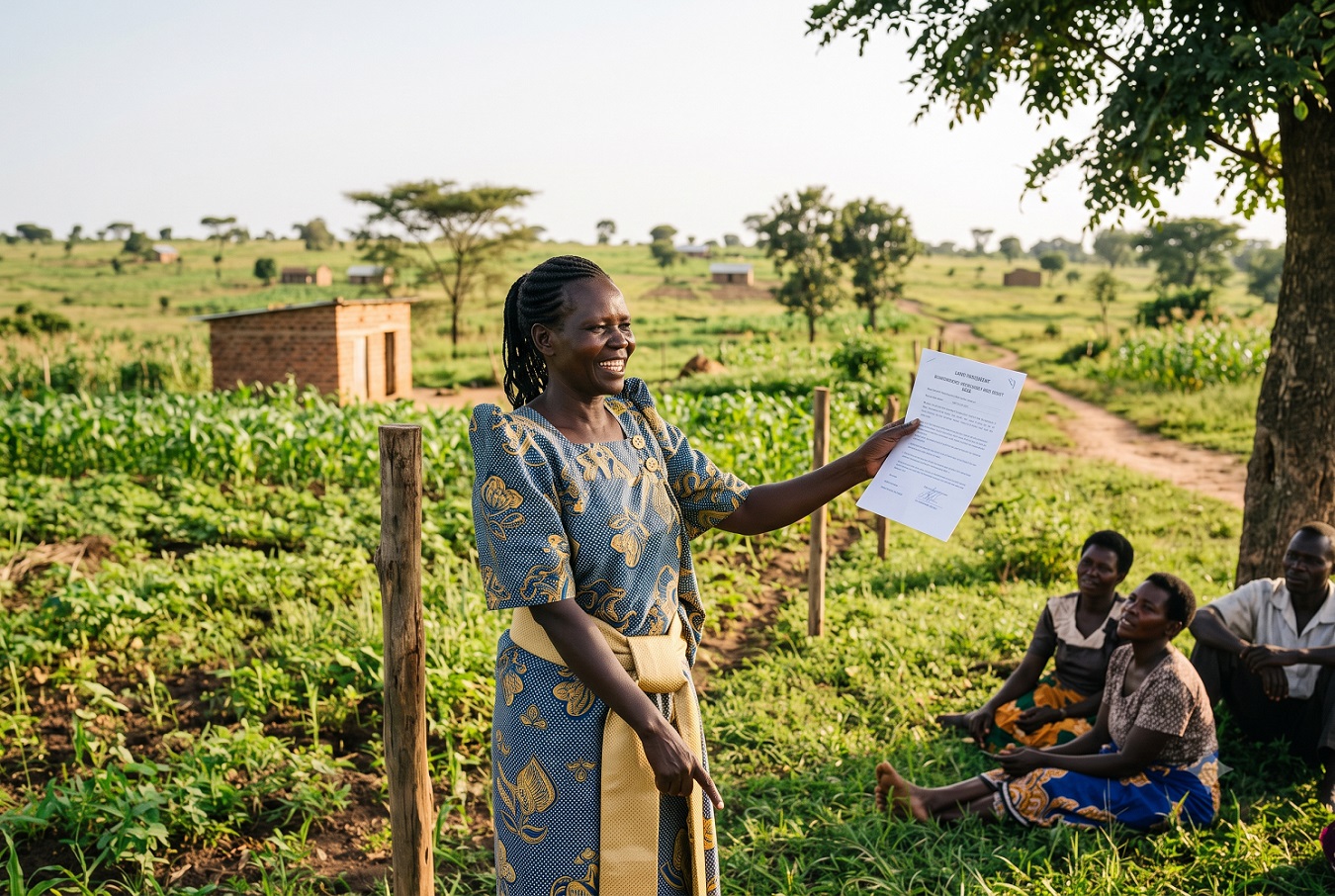
Hope came when Rose learned about the Land Tenancy Agreement (LTA) through a community volunteer working with refugees and host community landowners to formalize land rental arrangements under the Lamwo Initiative for Thriving Resilient Communities (LIFT) project. Upon learning and understanding the protection that a written agreement could provide, she immediately chose to document her tenancy with the landlord.
“I attended the local to local dialogue on land tenancy agreements and my land lord was also there. After the meeting I asked him to give me an agreement and he did. Before, it was difficult to prove that I had paid the landlord. Now, the Land Tenancy Agreement, locally known as Waraga, clearly shows that I have paid for the land,” she said.
With support from the project, Rose signed a Land Tenancy Agreement for the same piece of land where she had previously experienced the dispute. The agreement records proof of payment, outlines the agreed period of tenancy and clearly defines the responsibilities of both the tenant and the landowner.
According to the project officer, Nathan Ogwang, these agreements have strengthened trust between the two parties while reducing the likelihood of future misunderstandings. Today, Rose cultivates her land with greater confidence knowing that her tenancy is protected by a formal agreement. Nathan says Rose’s story demonstrates how documenting land rental arrangements can strengthen tenure security, safeguard the investments of refugee farmers, reduce land related disputes and promote peaceful coexistence between refugees and host communities.