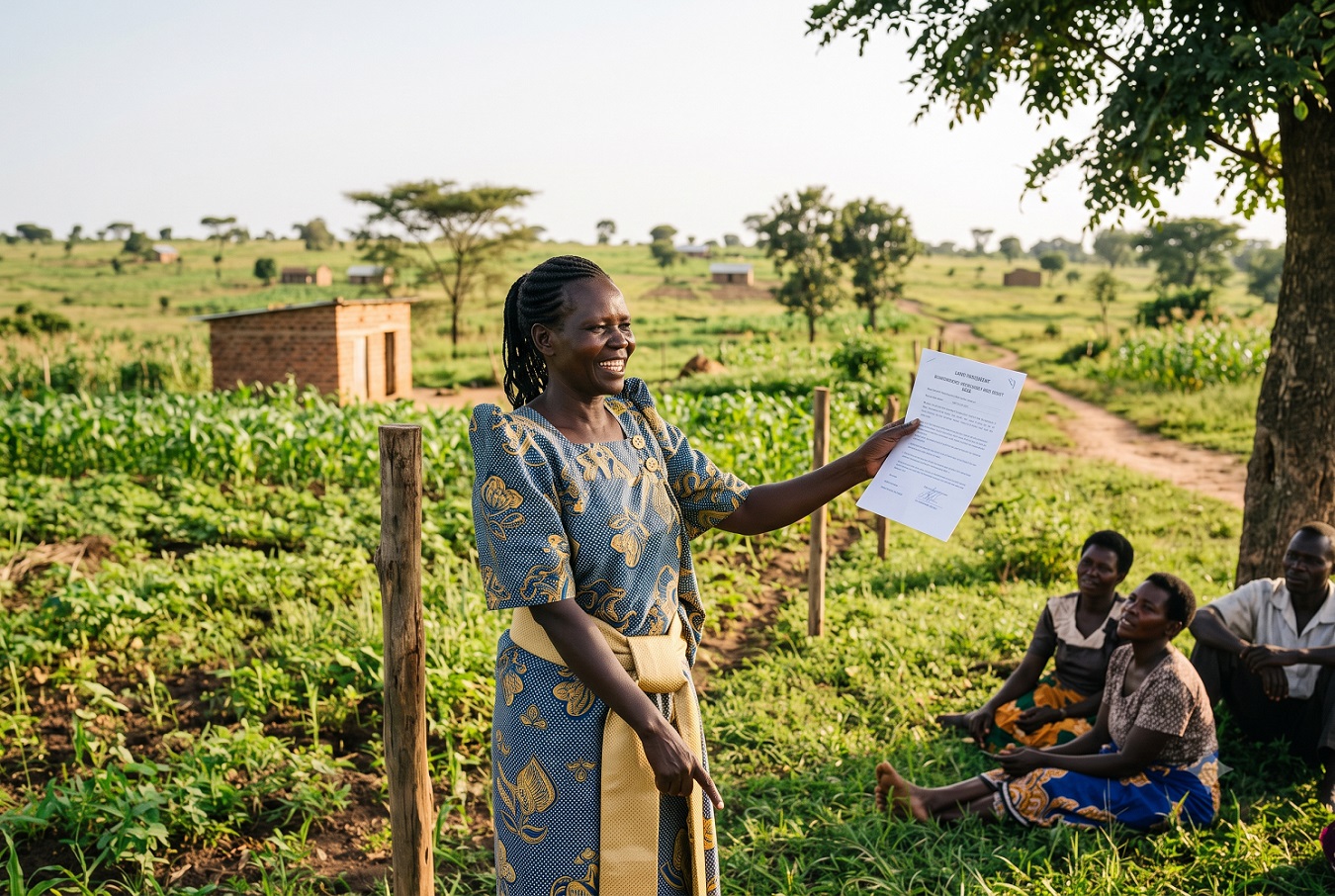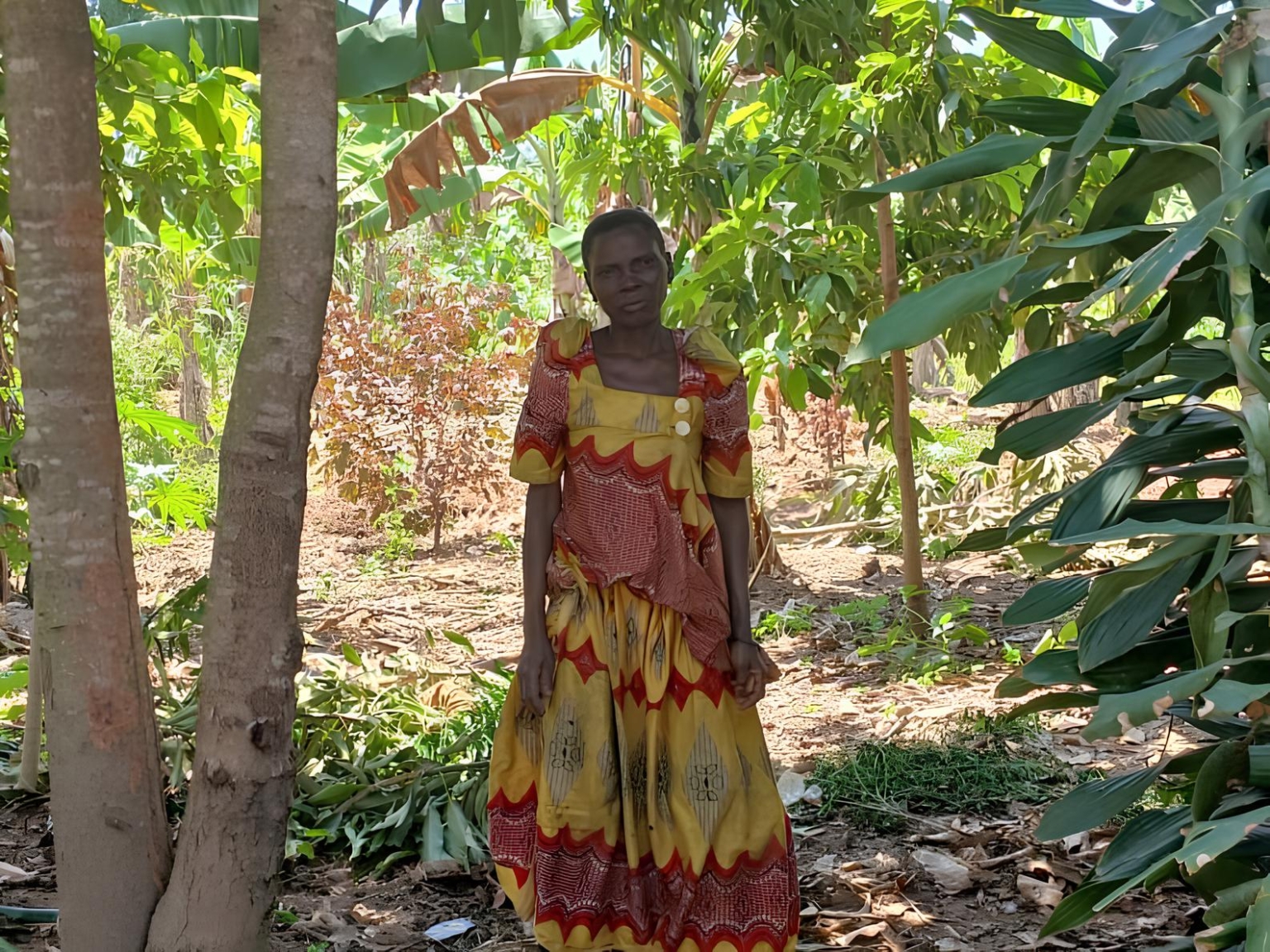
If someone handed you Shs 100,000 as business capital, what would you do with it? For many, it may seem too little to start a meaningful enterprise. But for 30 year old Amina Tibisima of Budibya Village in Bugiri District, that modest investment became the turning point that transformed her life.
The Shs 100,000 grant, provided through UCOBAC’s Child Development Project, enabled Amina to start a small trading business that has steadily grown into a reliable source of income.
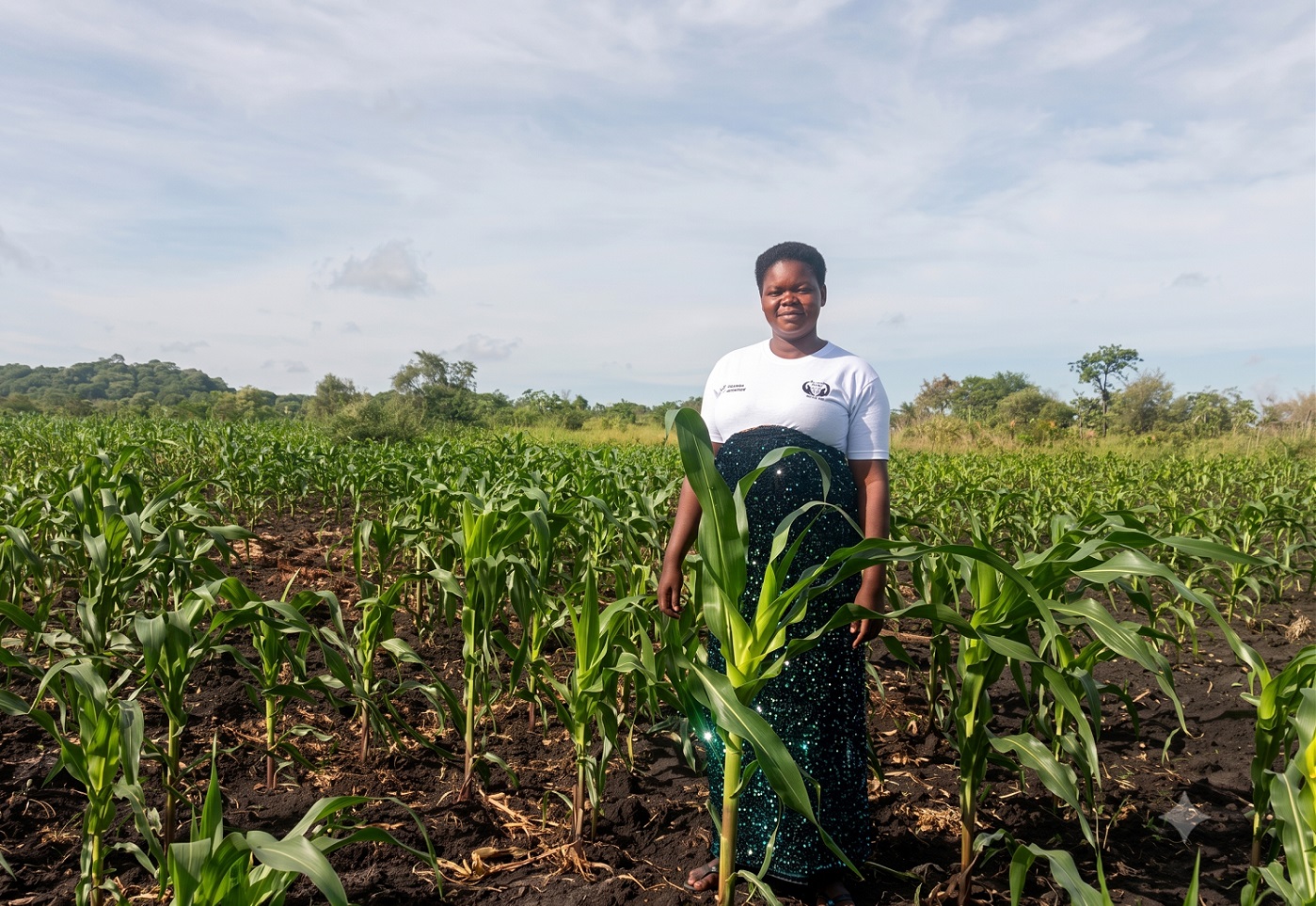
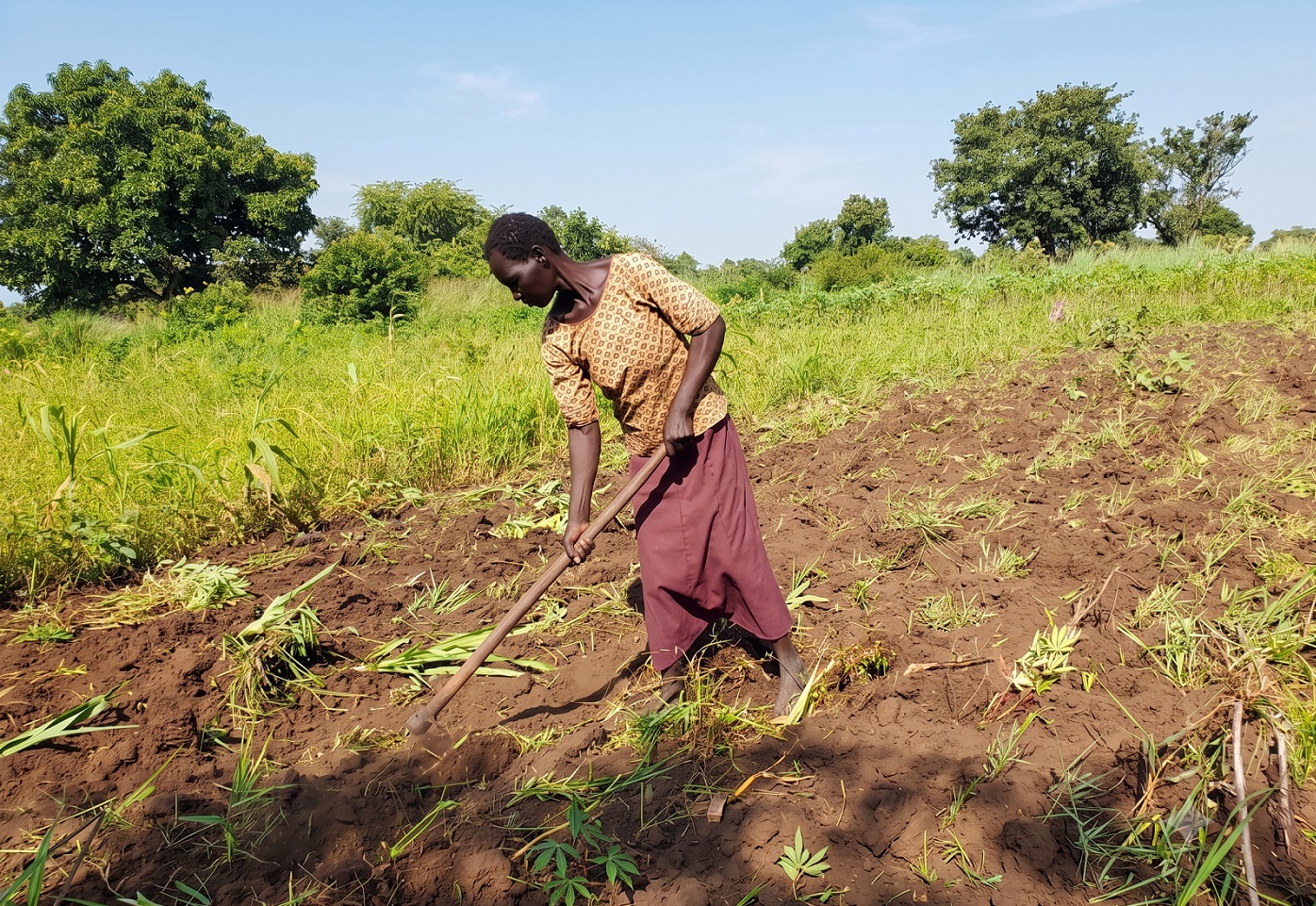
Before receiving the support, farming was Amina’s only source of livelihood. She cultivated maize, rice, soya beans and beans but unpredictable weather often resulted in poor harvests. As a mother of six living in a polygamous family, much of the responsibility for raising her children rested on her shoulders. “Life was a constant hustle. Sometimes it was difficult to provide food and pay school fees for my children,” said Amina.
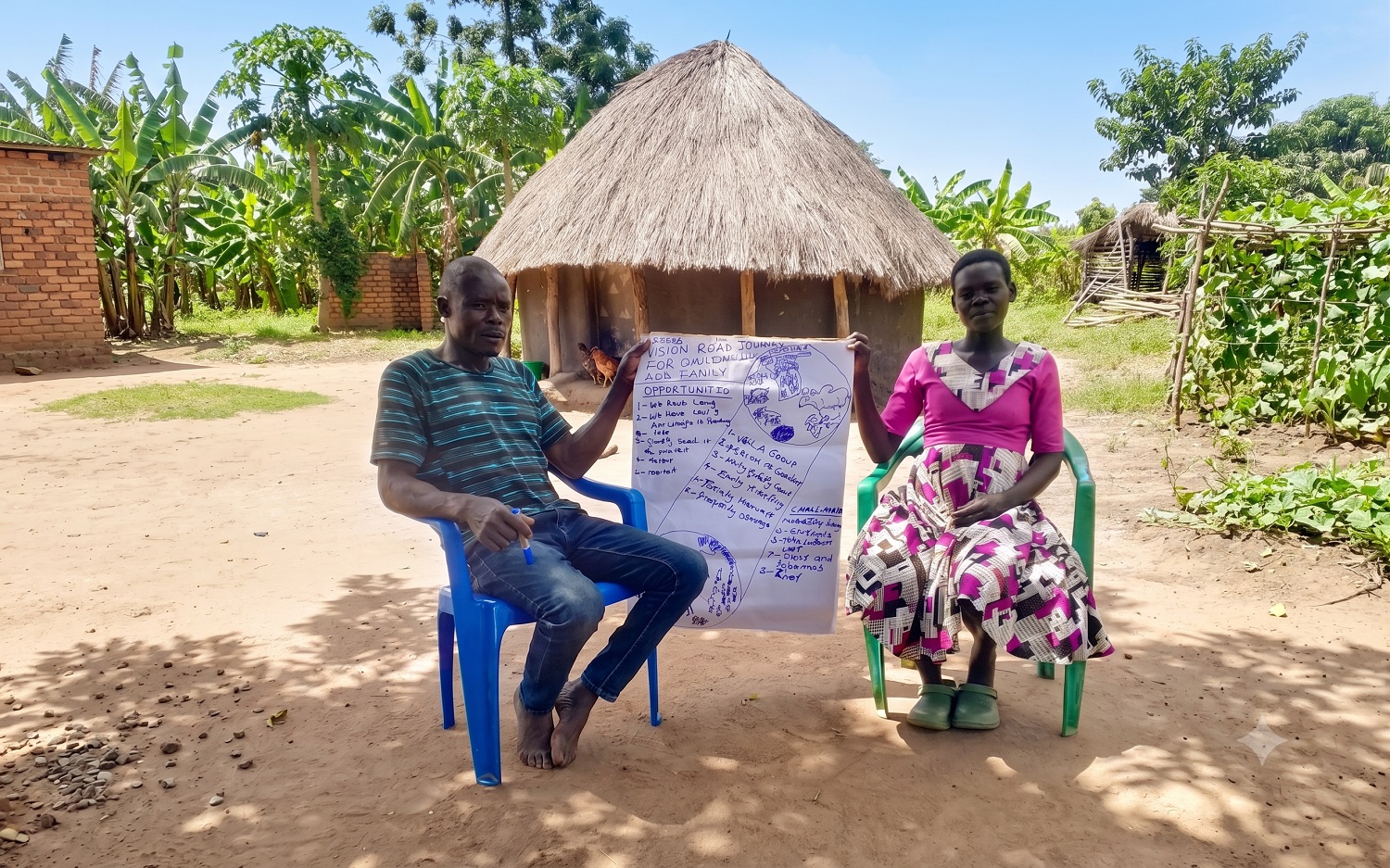
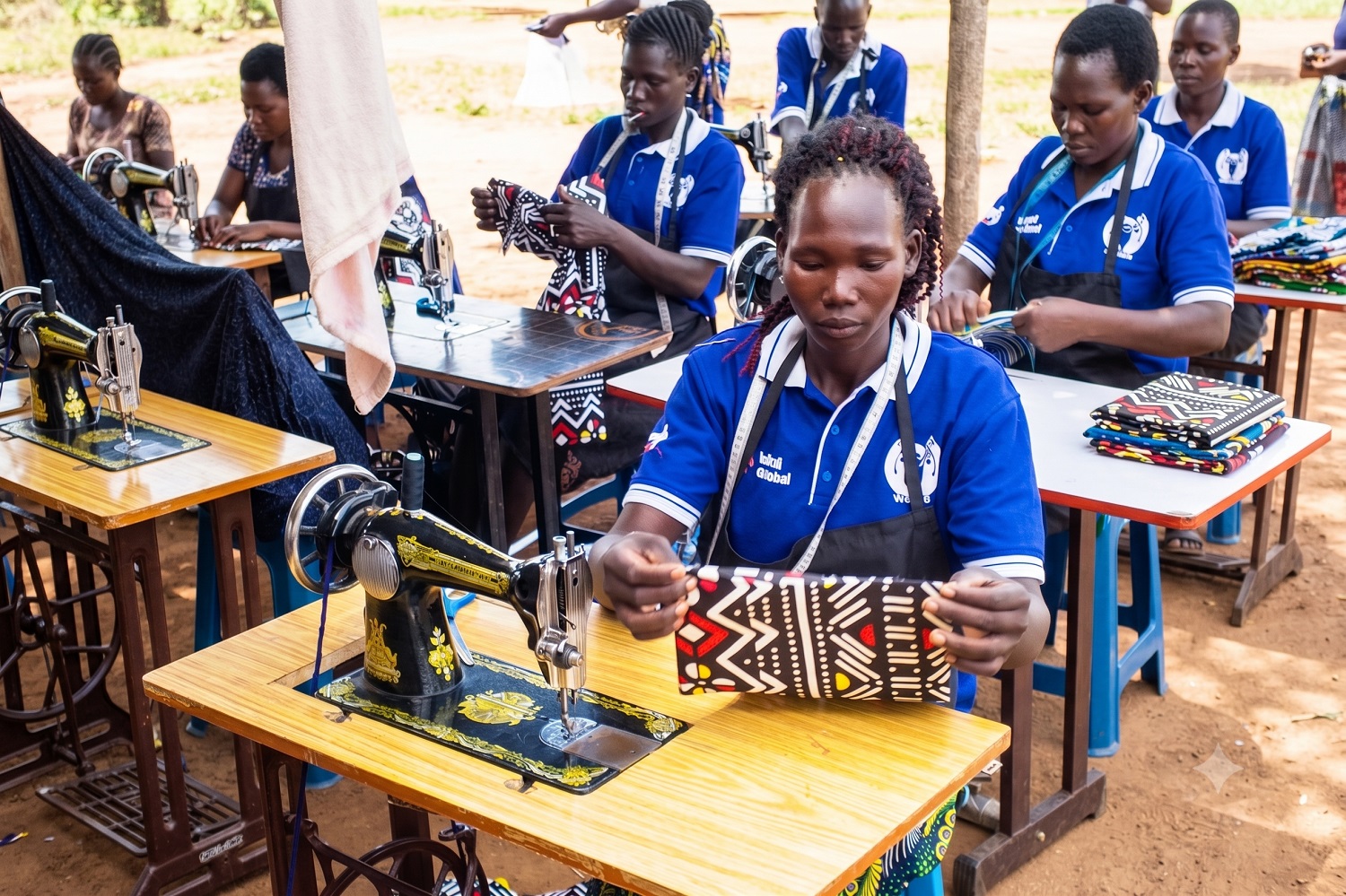
When one of her children was enrolled as a Child Ambassador under UCOBAC’s Child Development Project, as a parent she received training in climate-smart agriculture, financial management, value addition and small business development. She also attended plant clinic sessions that improved her knowledge of managing crop pests and diseases.
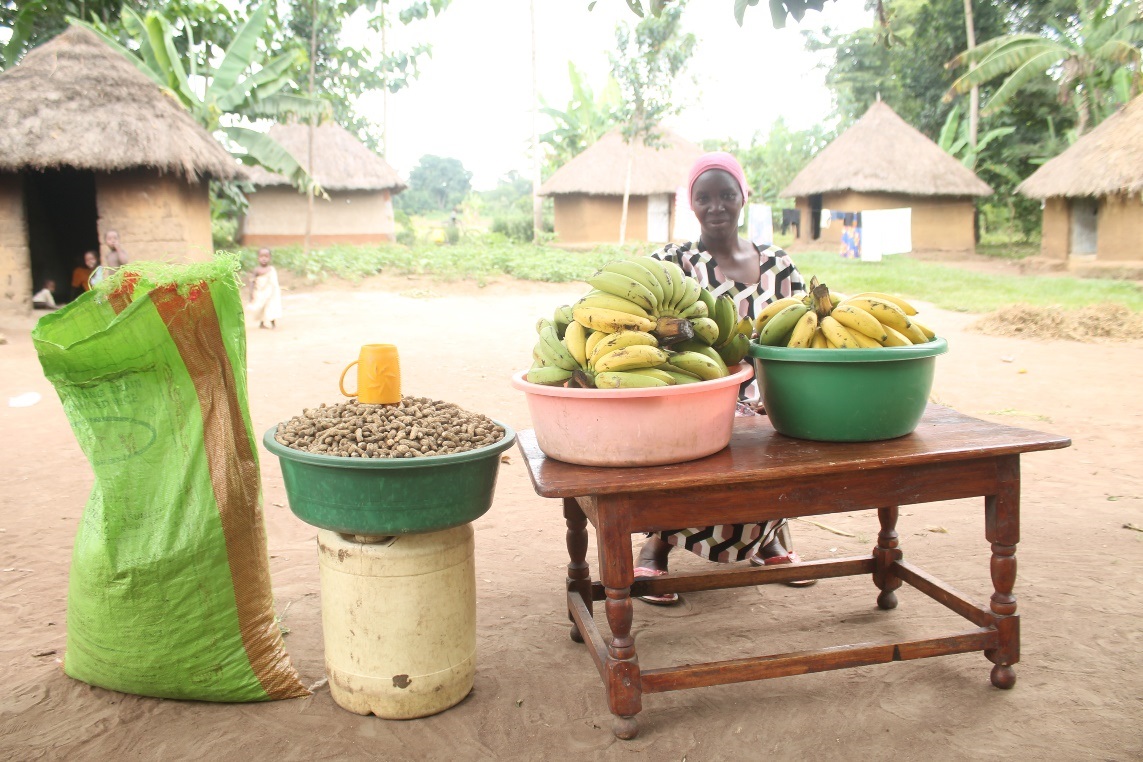
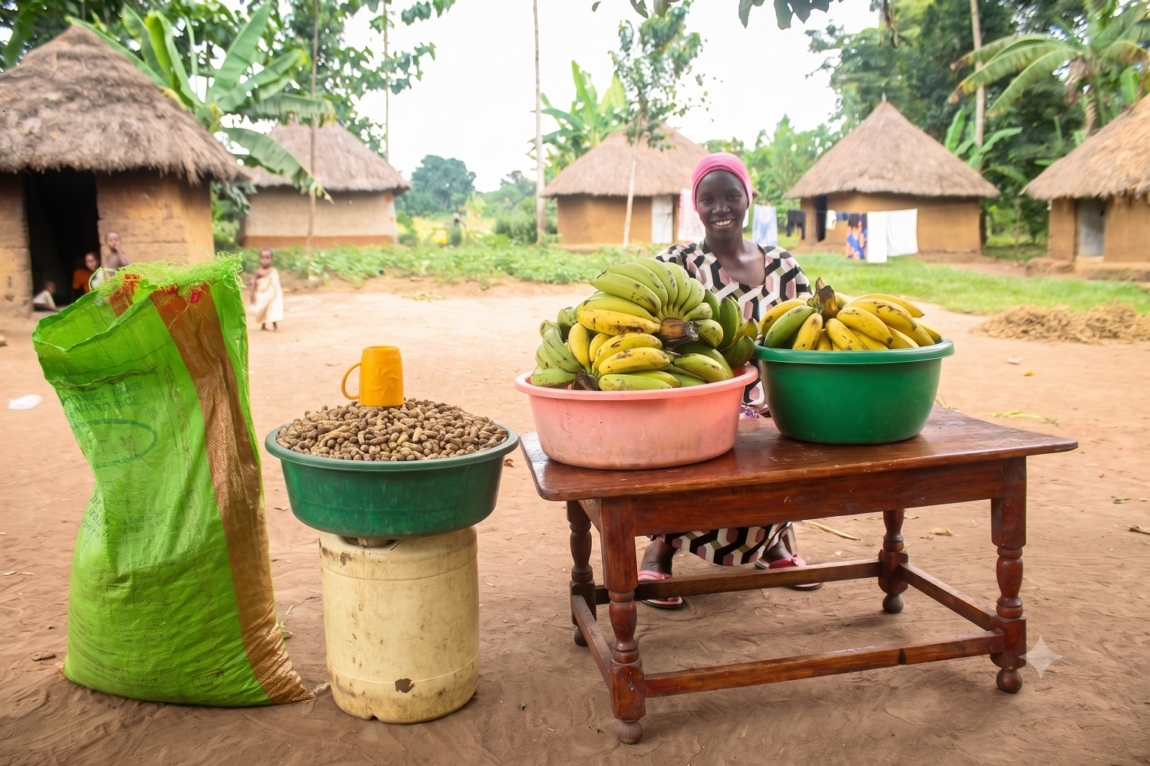
The greatest breakthrough came when she received Shs 100,000 as start-up capital to launch a business. After discussing the idea with her husband, Amina invested Shs 50,000 in buying sweet bananas (bogoya) and groundnuts which she sells in Busia, a market she knew well. The business has quickly proved profitable. On a good day, she buys groundnuts worth Shs 25,000 and earns up to Shs 45,000 from sales. Through discipline and determination, she has grown her capital well beyond the initial investment.
Today, her business enables her to buy food, clothes and school essentials for her children while responding to household emergencies without depending entirely on her husband. Although transport costs to Busia remain a challenge, she is determined to expand her enterprise and hopes to own a motorcycle to ease transportation.
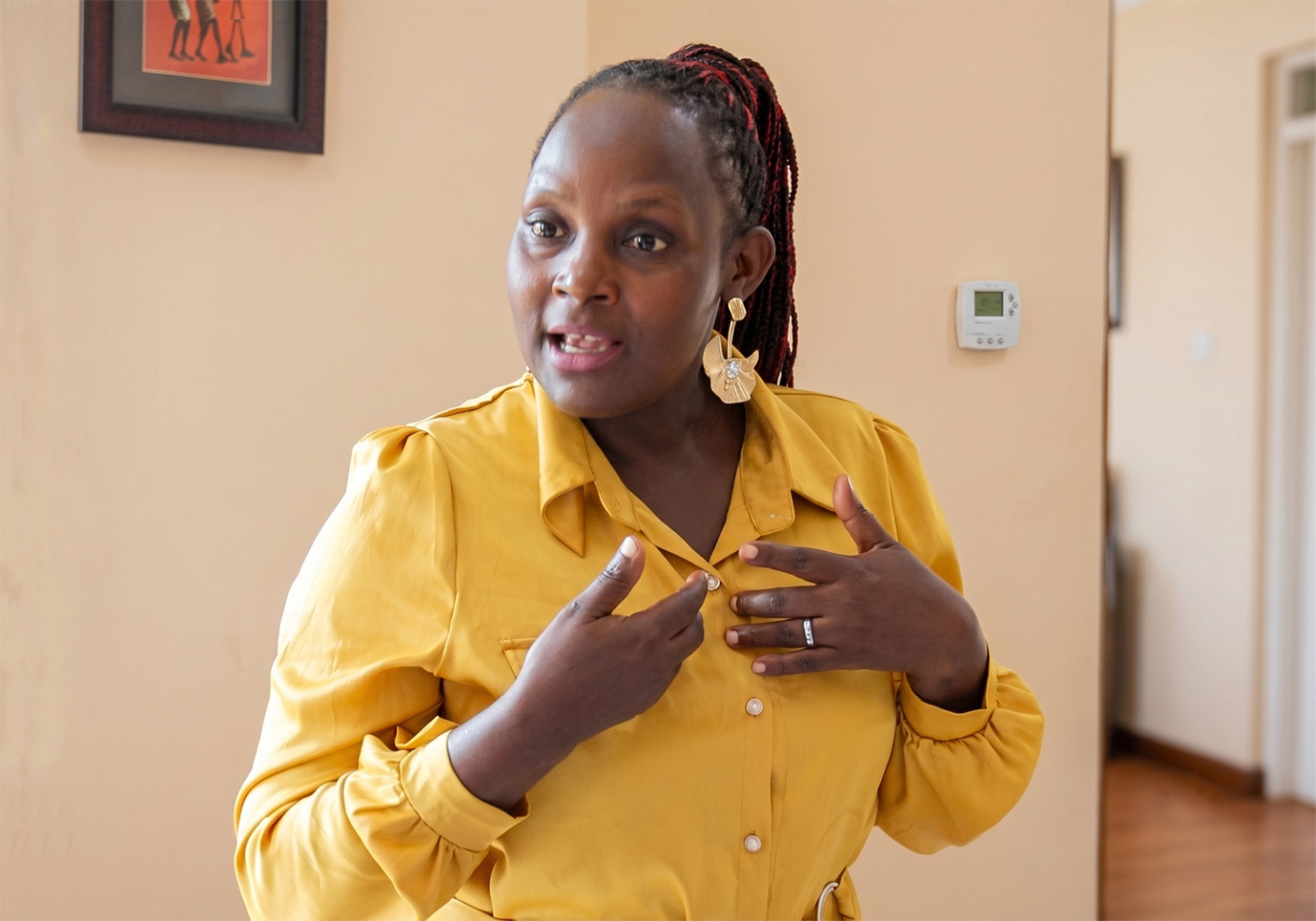
“I am not where I used to be, and I thank God for that. My business means I never run out of money as a woman. In the next two years, I want to become a wholesaler,” she says.
Amina now encourages other women to embrace income-generating opportunities and believe in their potential. “Women should work, earn their own income and contribute to their families. Financial independence gives you confidence and helps you build a better future for your children.”