For 26 year old Irine Amony, a mother of three from Lugwar Central B Village in Palabek Refugee Settlement, learning a vocational skill was more than a dream, it was her pathway to financial independence. But without the money to enroll in a vocational institute, that dream seemed impossible.
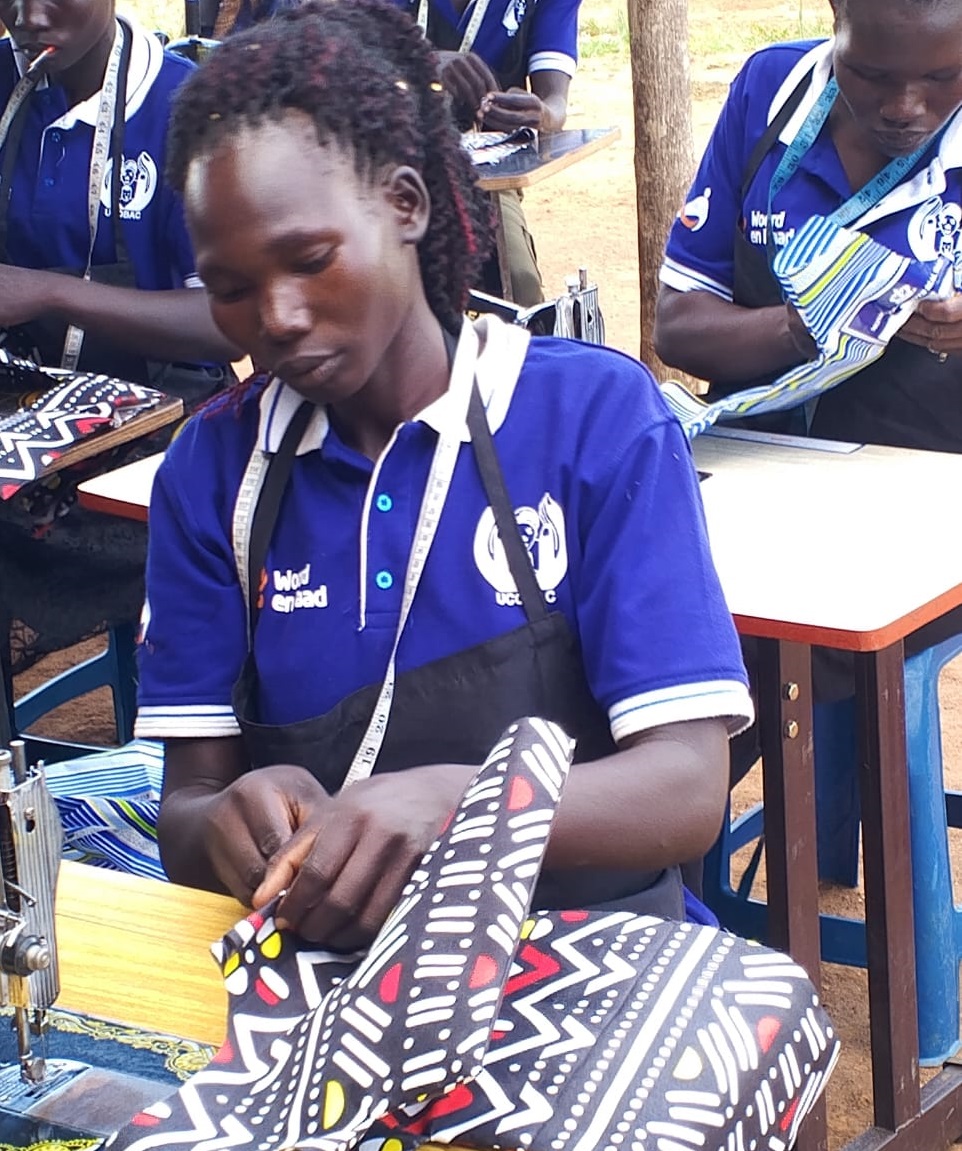
Everything changed when Irine attended a community sensitization meeting organized by UCOBAC under the LEAD Project. After attending a career guidance session, she got inspired by the opportunities presented and applied to study tailoring.
“Tailoring was something I had always dreamed of learning because I knew it could help me earn an income and support my children,” she says.
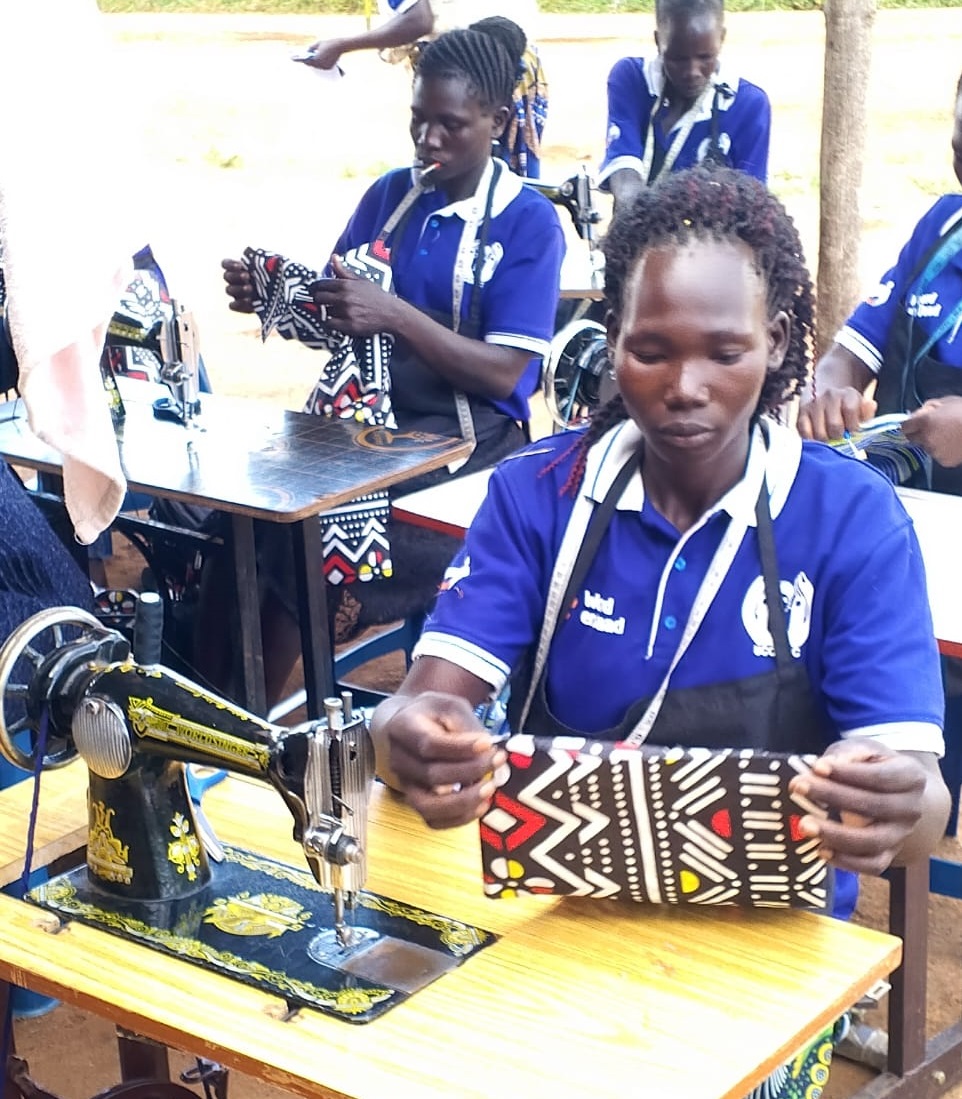
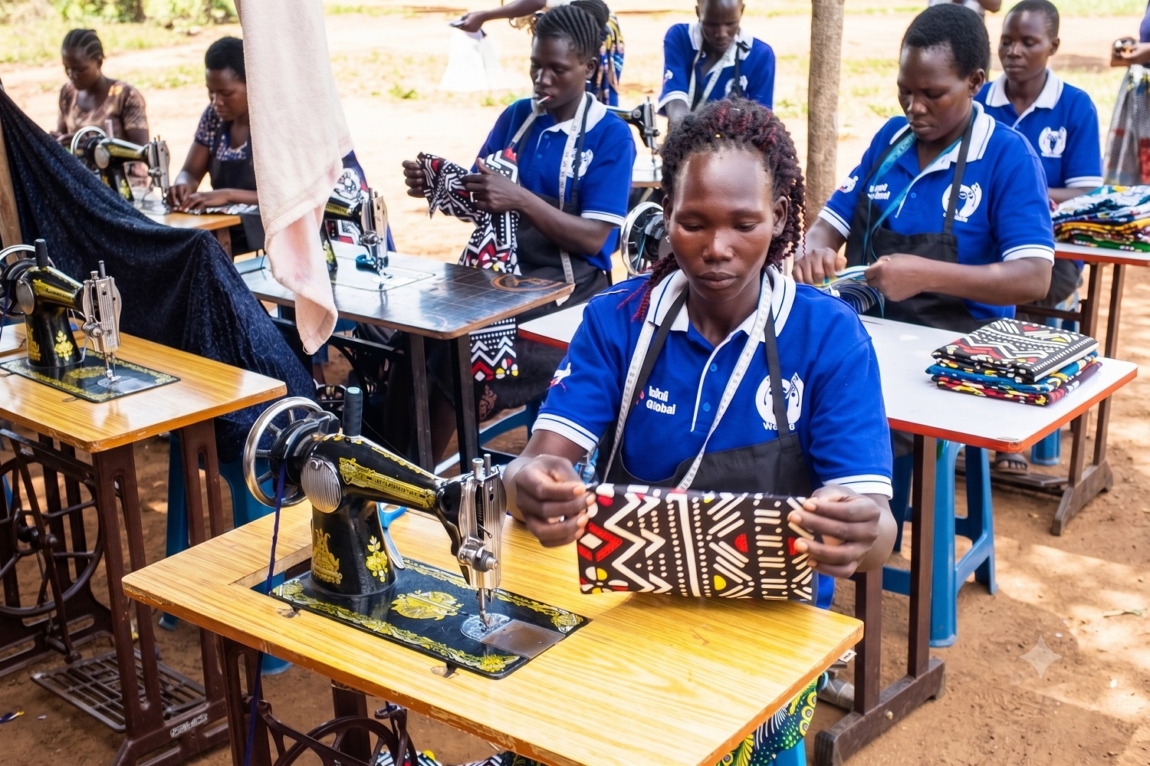
Irine was attached to a local artisan in Ogili Sub-county, where she undertook a six-month hands on apprenticeship in tailoring and garment cutting. By the end of the apprenticeship, Irine had acquired the technical skills and confidence to work independently. She successfully sat for the Directorate of Industrial Training (DIT) examinations and is now awaiting certification.
The skills she acquired quickly translated into income. Using the transport refund she received during training as start up capital, Irine purchased kitenge fabric and began offering tailoring services within her community while hiring a sewing machine. Her growing customer base now enables her to earn an average monthly income of Shs 300,000.
“I hire a sewing machine for Shs 100,000 and earn about Shs 300,000 every month. I can now pay school fees for my children, provide food for my family and seek medical care whenever it is needed,” she says.
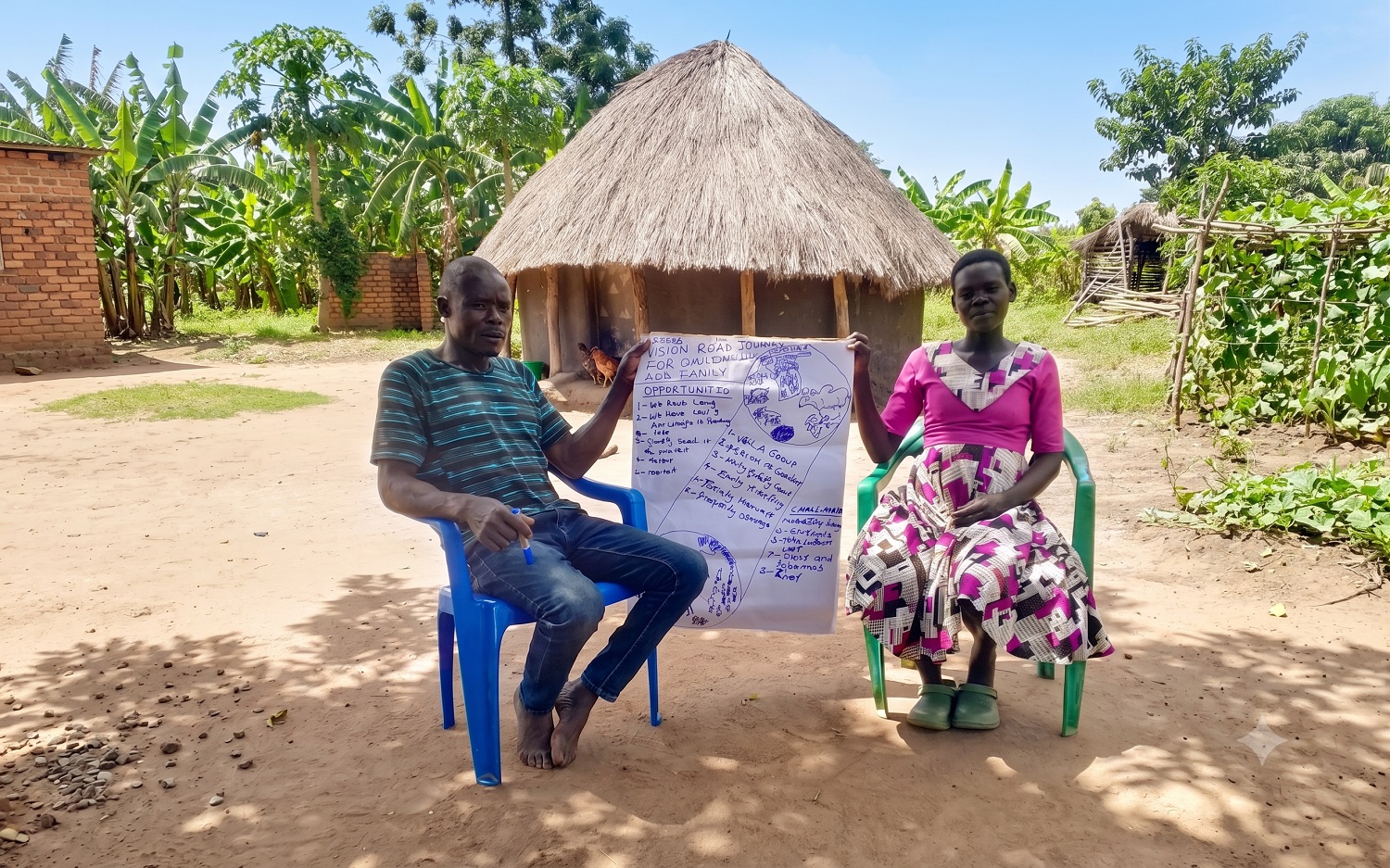
Determined to secure her family’s future, Irine also saves some money through her Village Savings and Loan Association (VSLA) and plans to purchase her own sewing machine to expand the business.
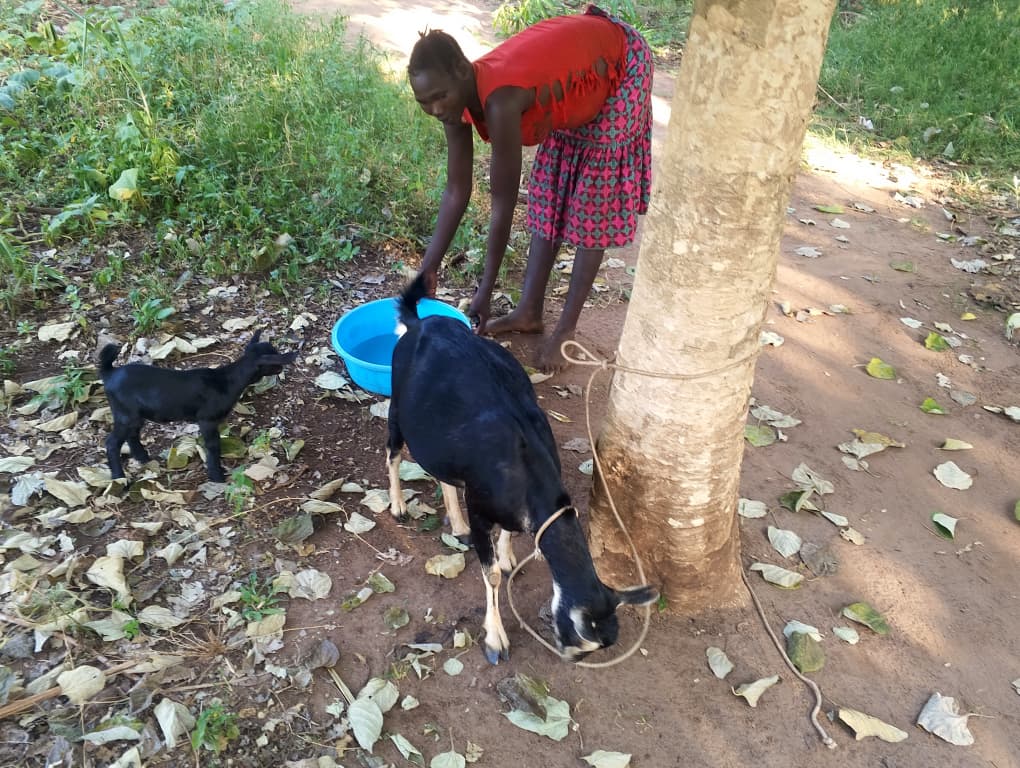
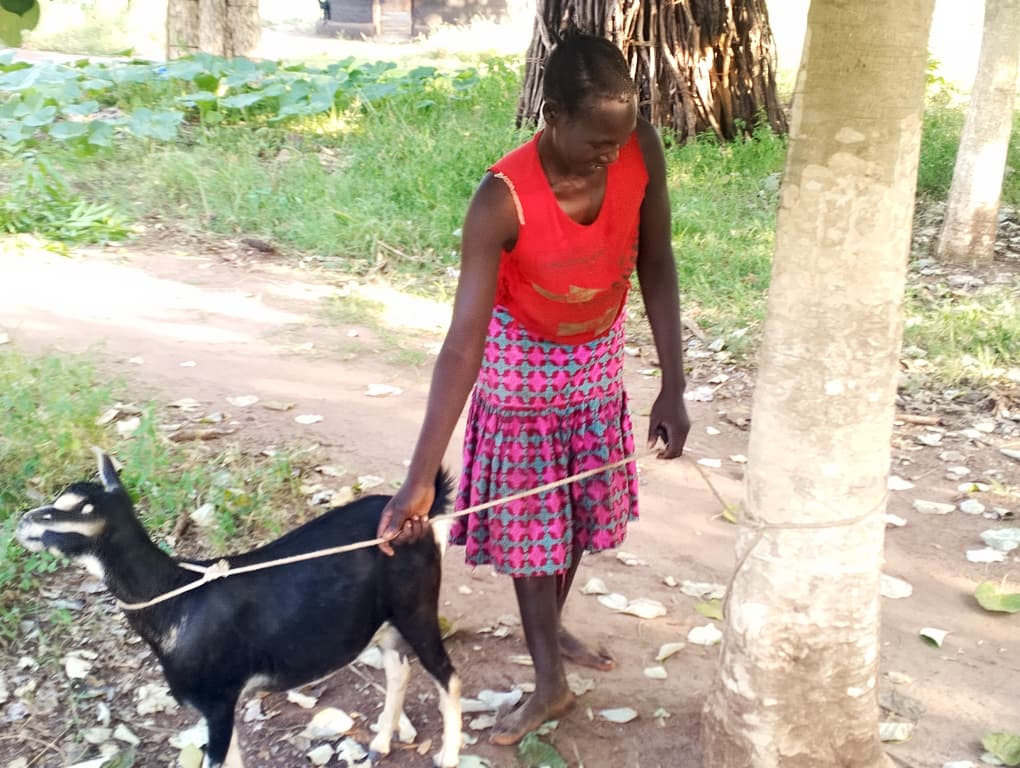
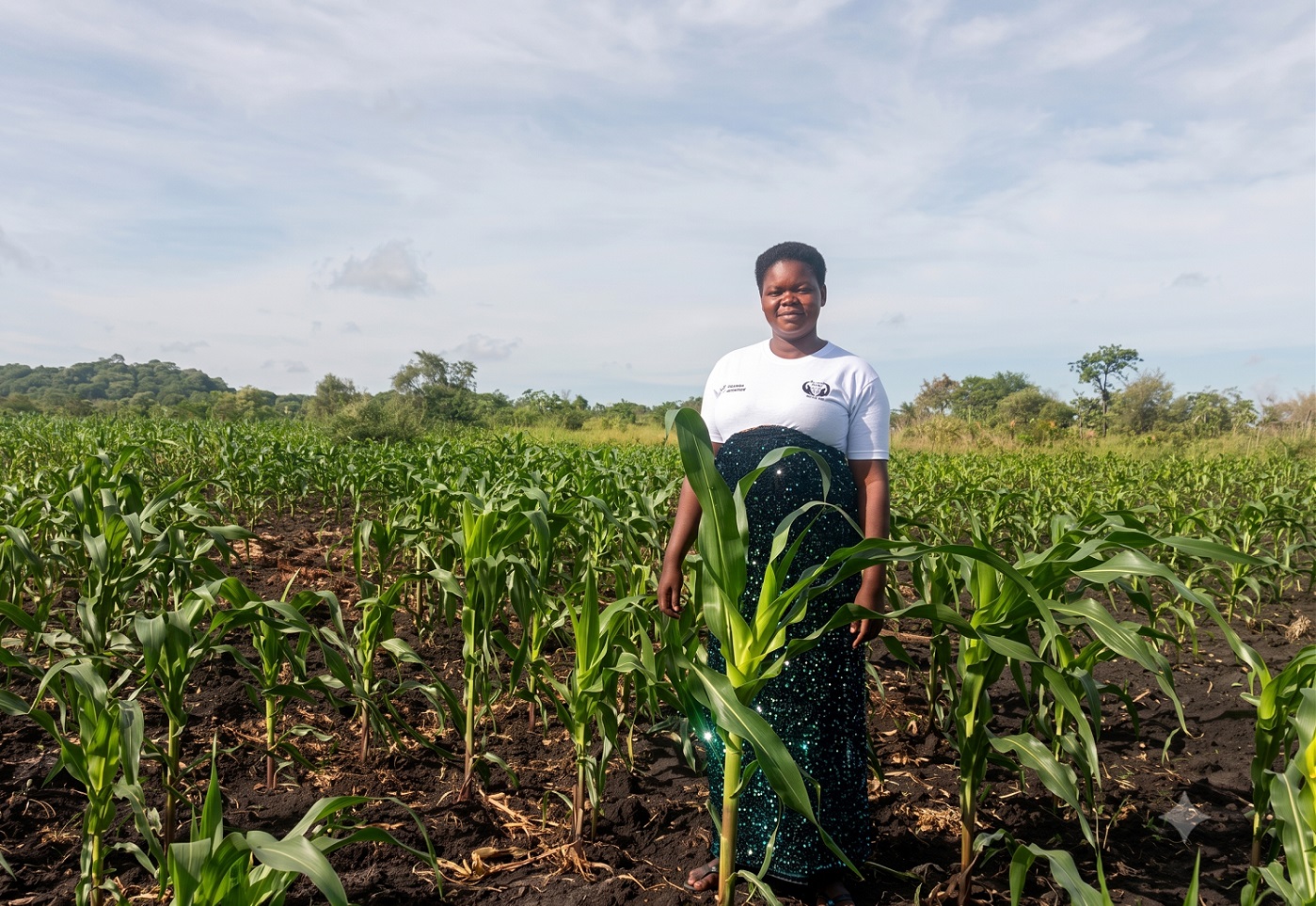
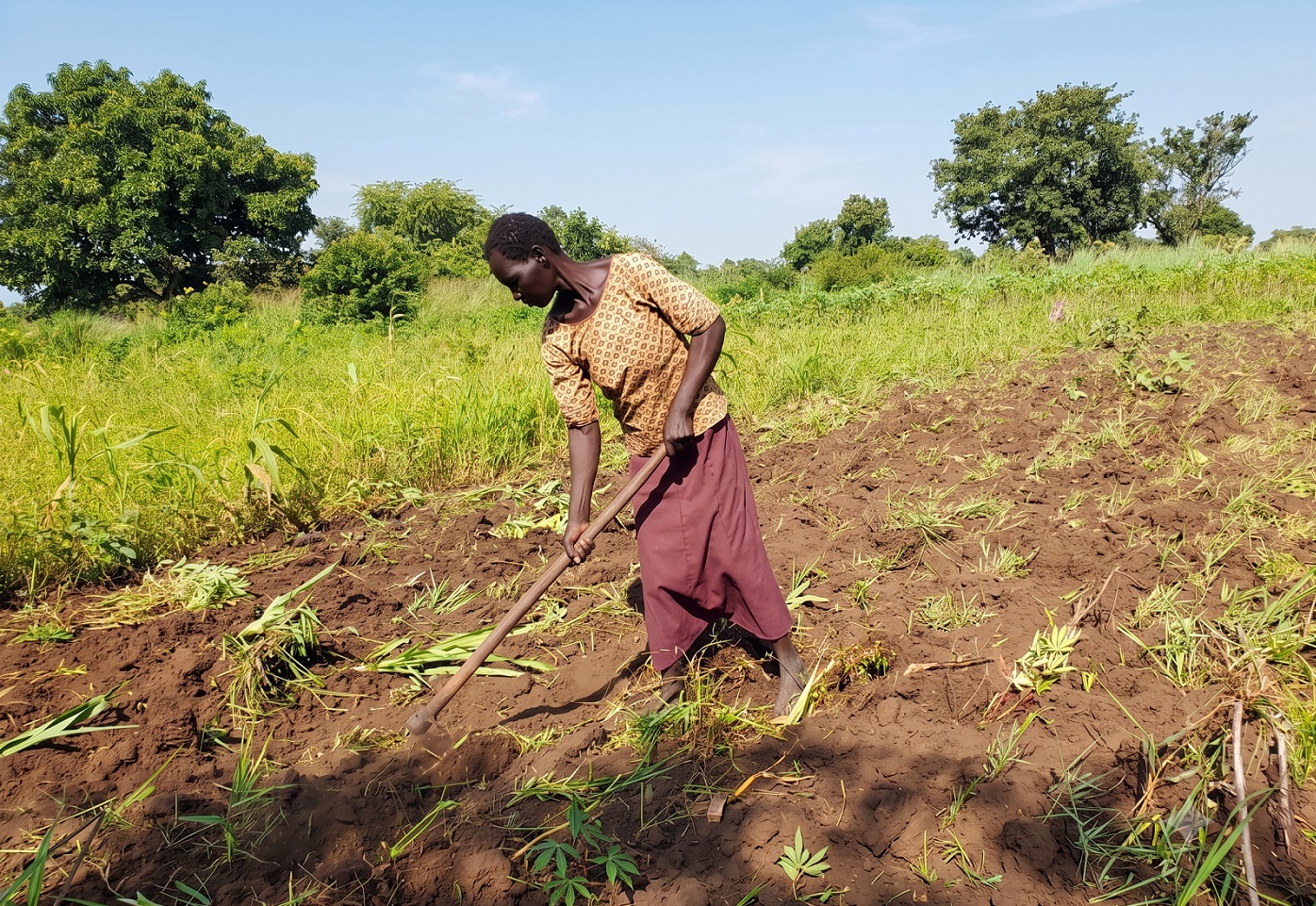
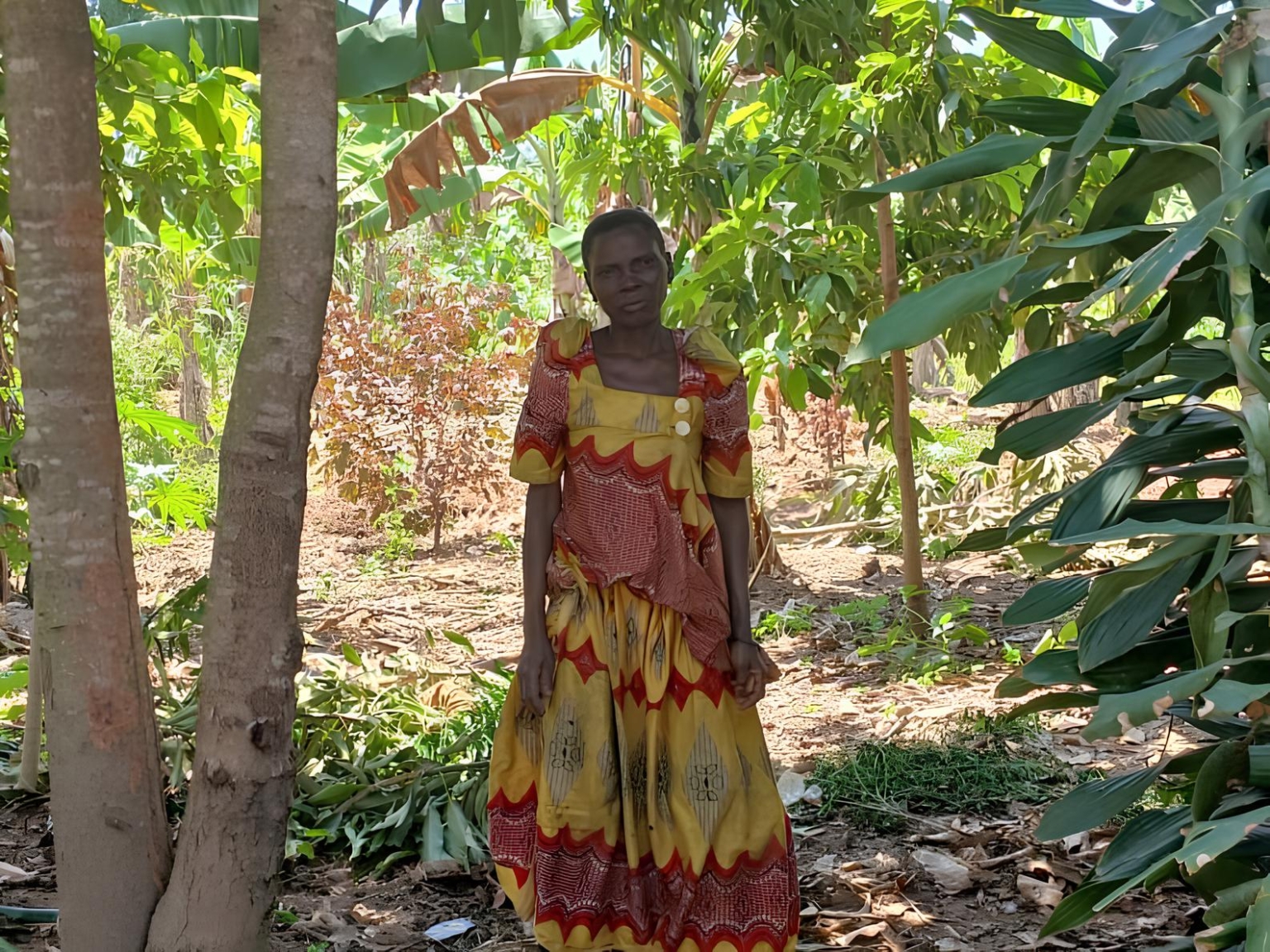
The income has also enabled her to invest in other livelihood activities. She bought a goat, which has since multiplied to three and cultivated two acres of simsim, strengthening her household’s food security and resilience.
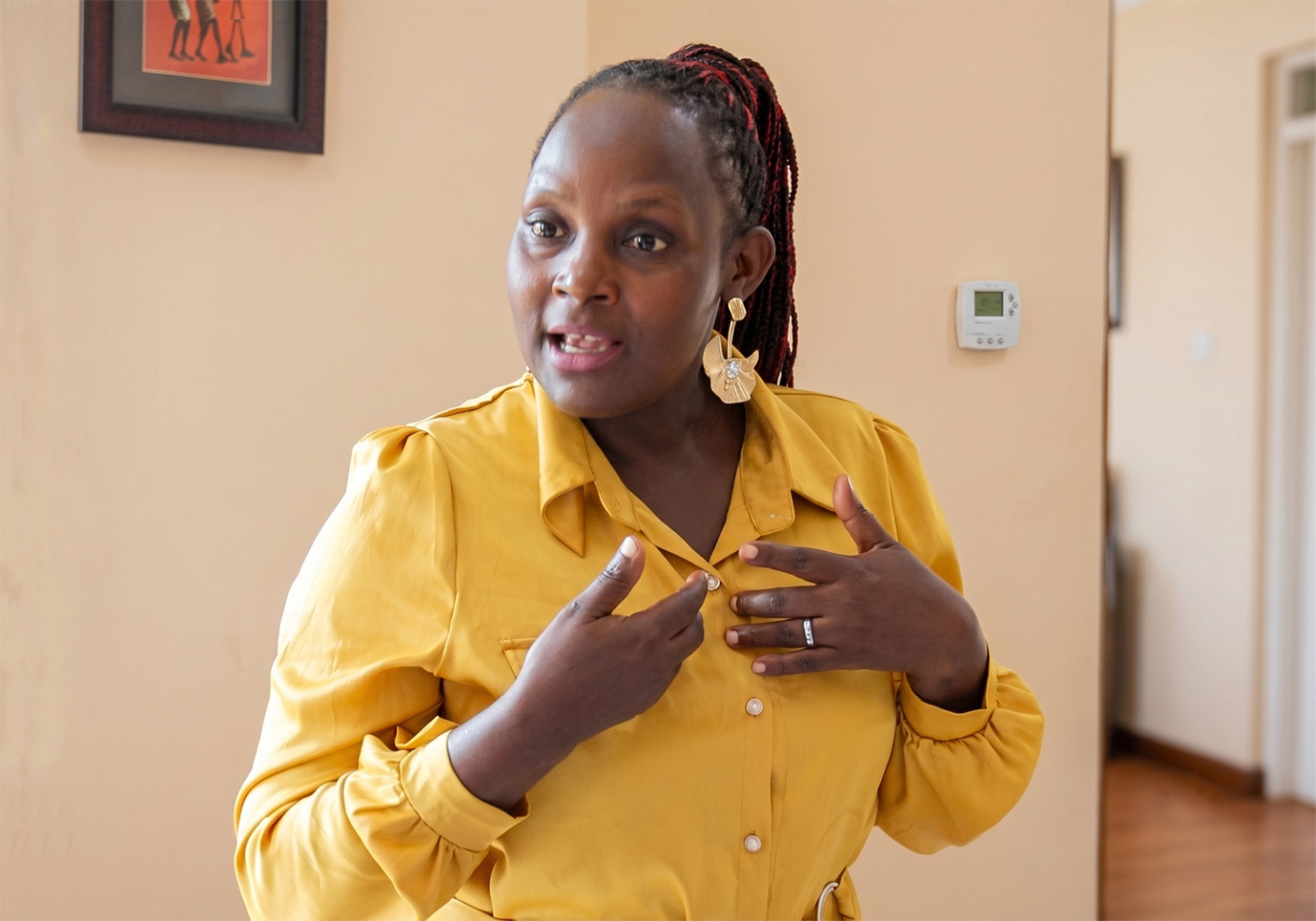
Grateful for the opportunity, she applauds UCOBAC and the LEAD Project for equipping refugees with practical skills that restore dignity and self reliance.
“I hope this project reaches more people in the settlement because it gives families the opportunity to become self-reliant and build a better future,” she says.