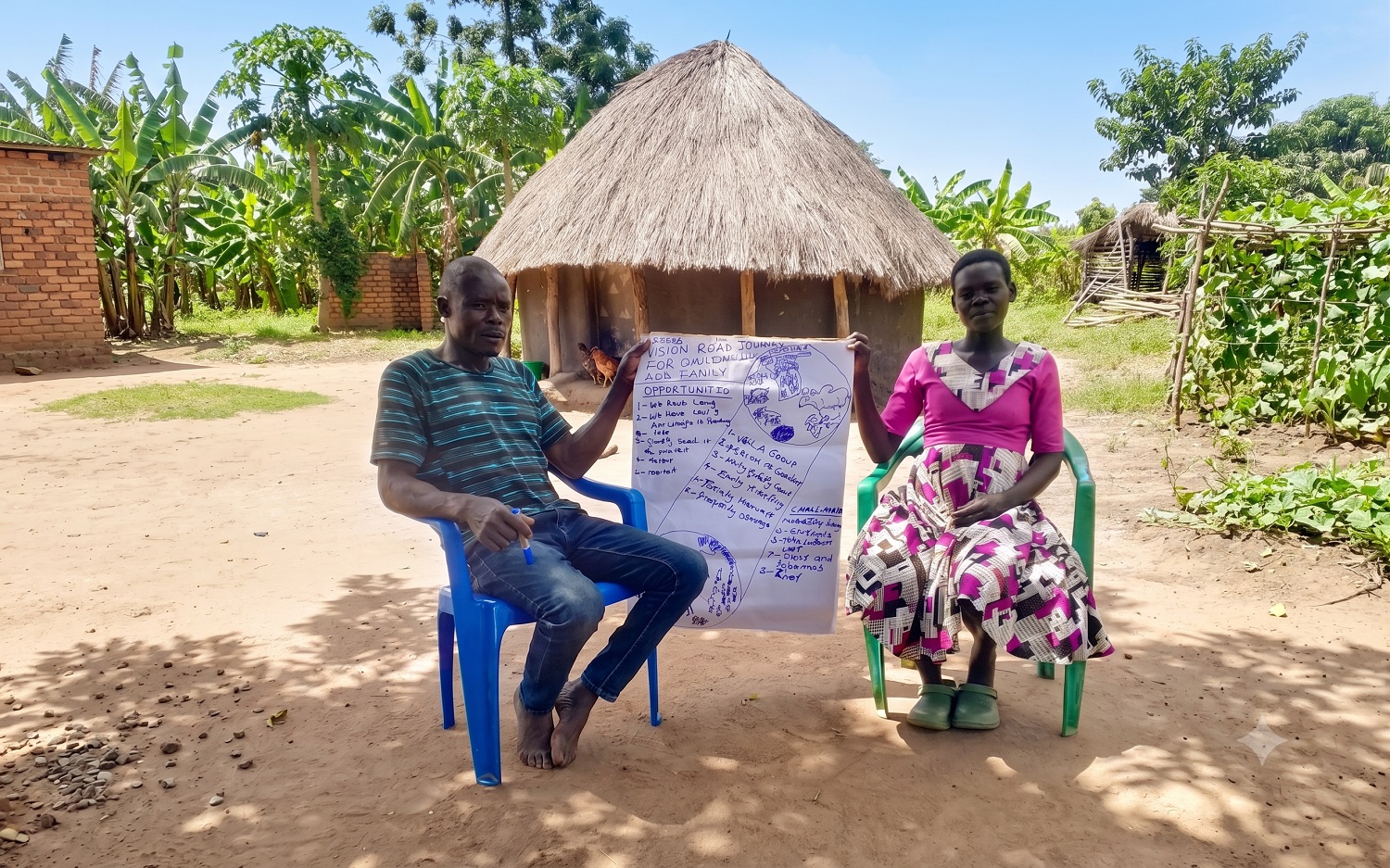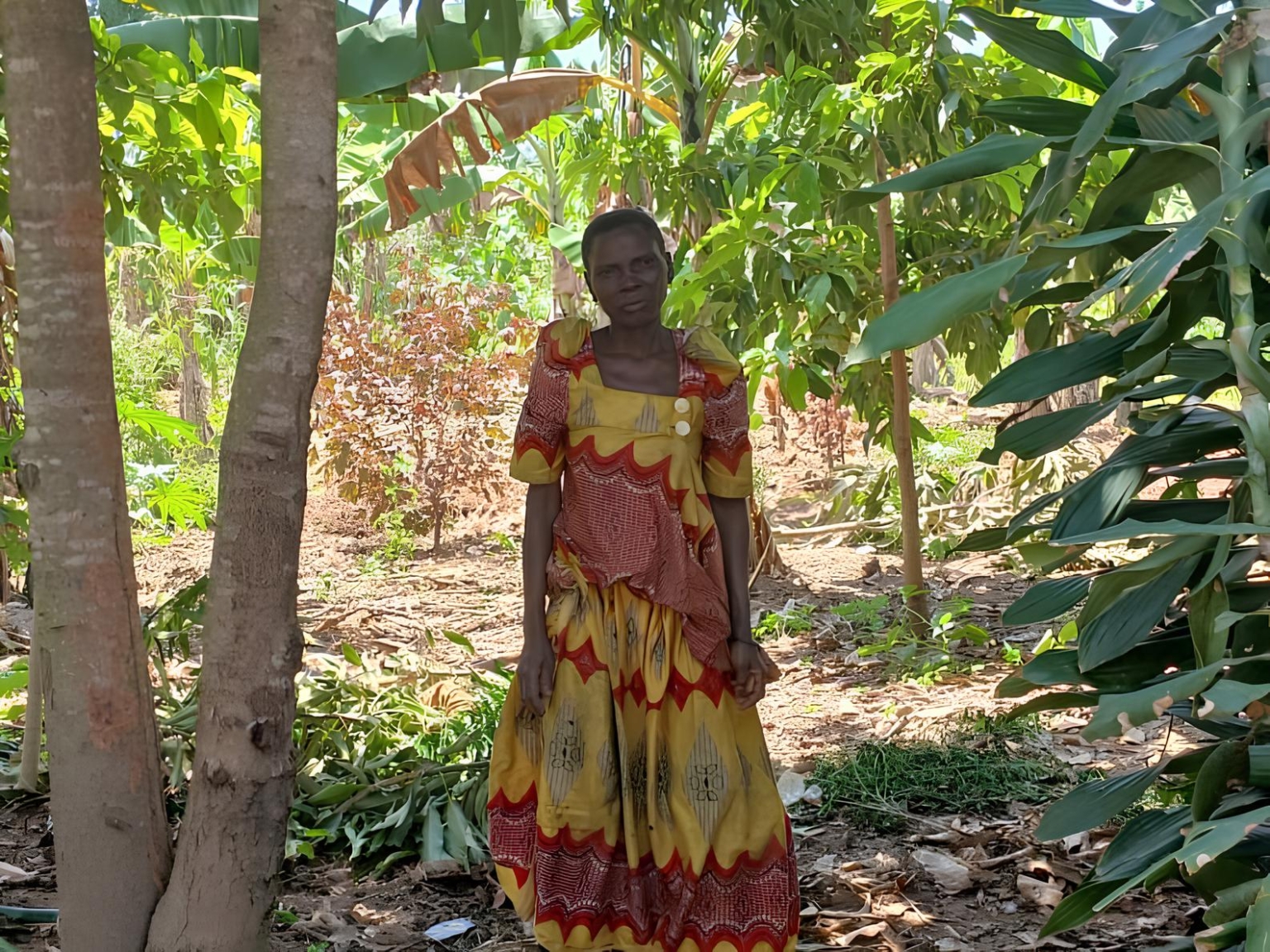
For many farming households around Palabek Refugee Settlement in Northern Uganda, climate change has made agriculture increasingly unpredictable. Delayed rains, prolonged dry spells and declining soil fertility have reduced harvests, threatening household incomes and food security.
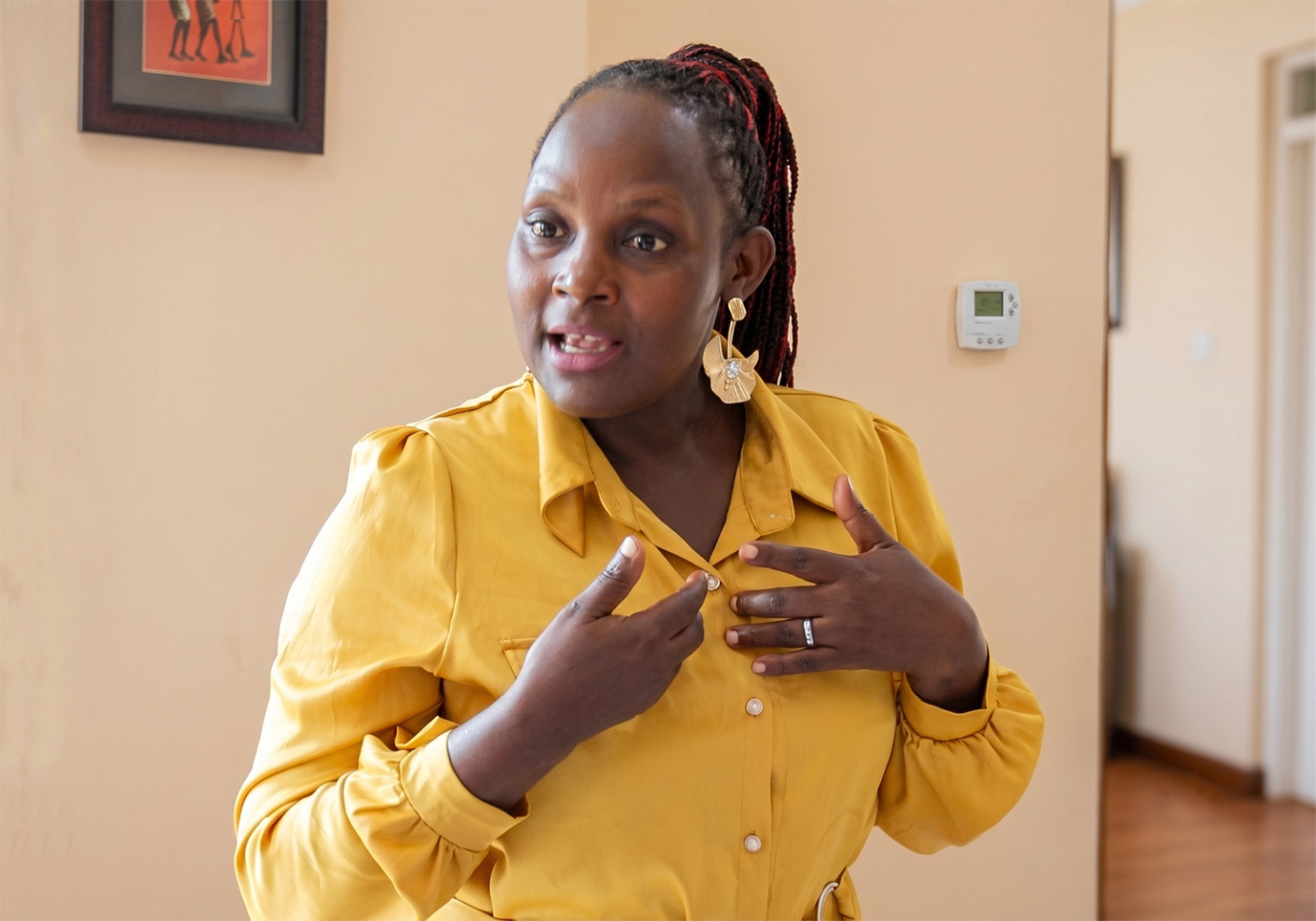
According to 36 year old Nancy Amony, amother of six from Lugwar Central Village in Ogili Sub-county, Lamwo District, every planting season came with fear and uncertainity. Poor harvests left her struggling to feed her family, pay school fees and earn enough income to invest back into farming.
“The fear comes from planting crops and you are not sure whether it will rain or not. You are on probability some sometimes the yields are better and some times very bad and you incur the losses,” said Amony.
To help farmers adapt, UCOBAC, through the LEAD Project has been equipping communities with climate-smart agriculture practices that improve productivity while building resilience to climate change.
Amony is one of the participants who benefited from these trainings. “We were trained on practical climate smart agriculture techniques such as water conservation, mulching, crop rotation, compost making, agroforestry, soil conservation and the use of drought tolerant seed varieties.”
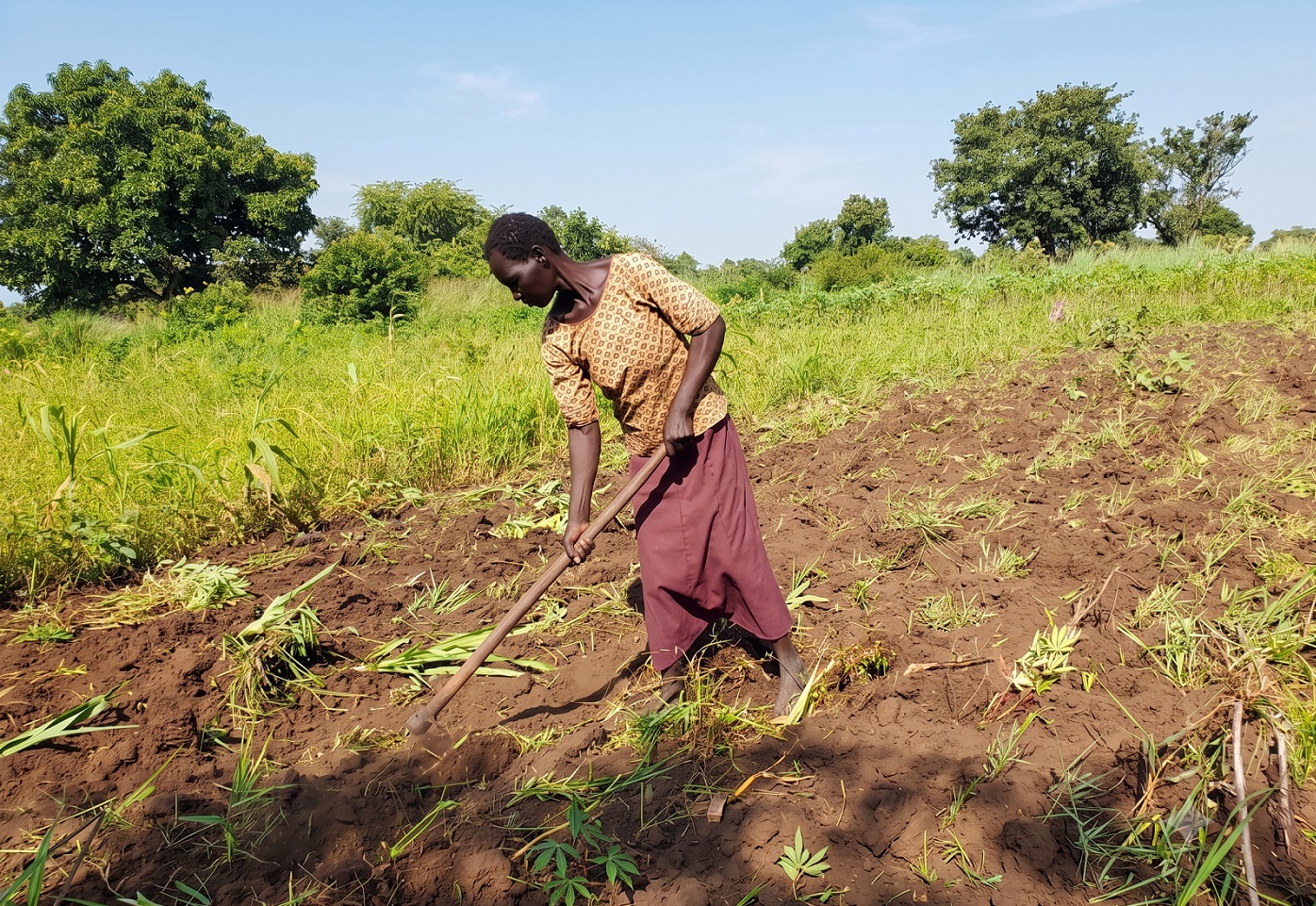
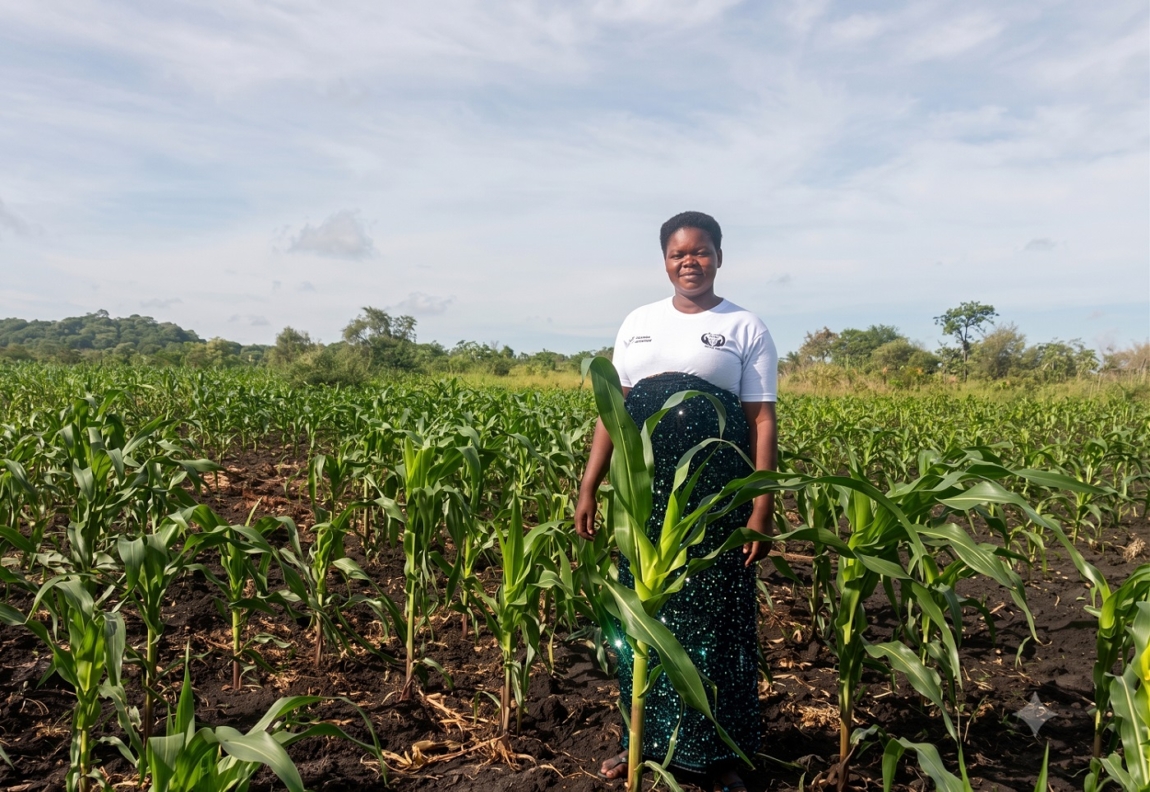
She put this knowledge into practice and in the following planting season, Amony made contour trenches on her four acre land to reduce soil erosion. She also went ahead to plant drought resistant maize and
The results were remarkable. She said despite the irregular rainfall, Nancy recorded an estimated 50 percent increase in maize yields compared to previous seasons. Encouraged by the improved harvest, she hired a tractor to cultivate more land and now plans to expand her farm while investing in a small irrigation system to reduce dependence on rainfall.
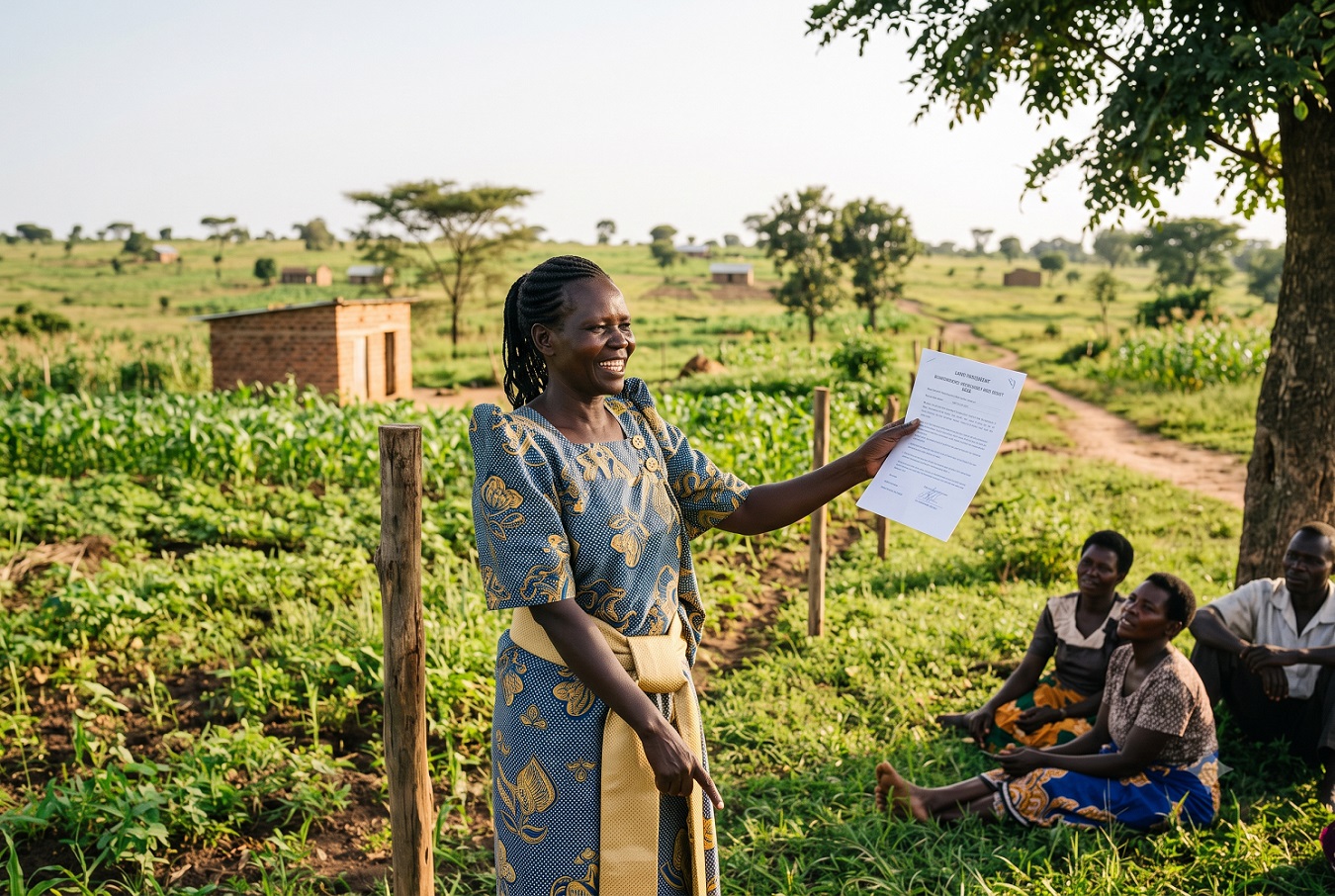
“Climate-smart agriculture has changed my outlook on farming. My harvests have improved, and I no longer fear every dry season. I now have hope that farming can provide a better future for my family,” said Amony. Today, Nancy is recognized as a model farmer in her community. She regularly shares her experiences with fellow farmers, and more than 30 neighbouring households have adopted climate smart practices after witnessing the results on her farm.