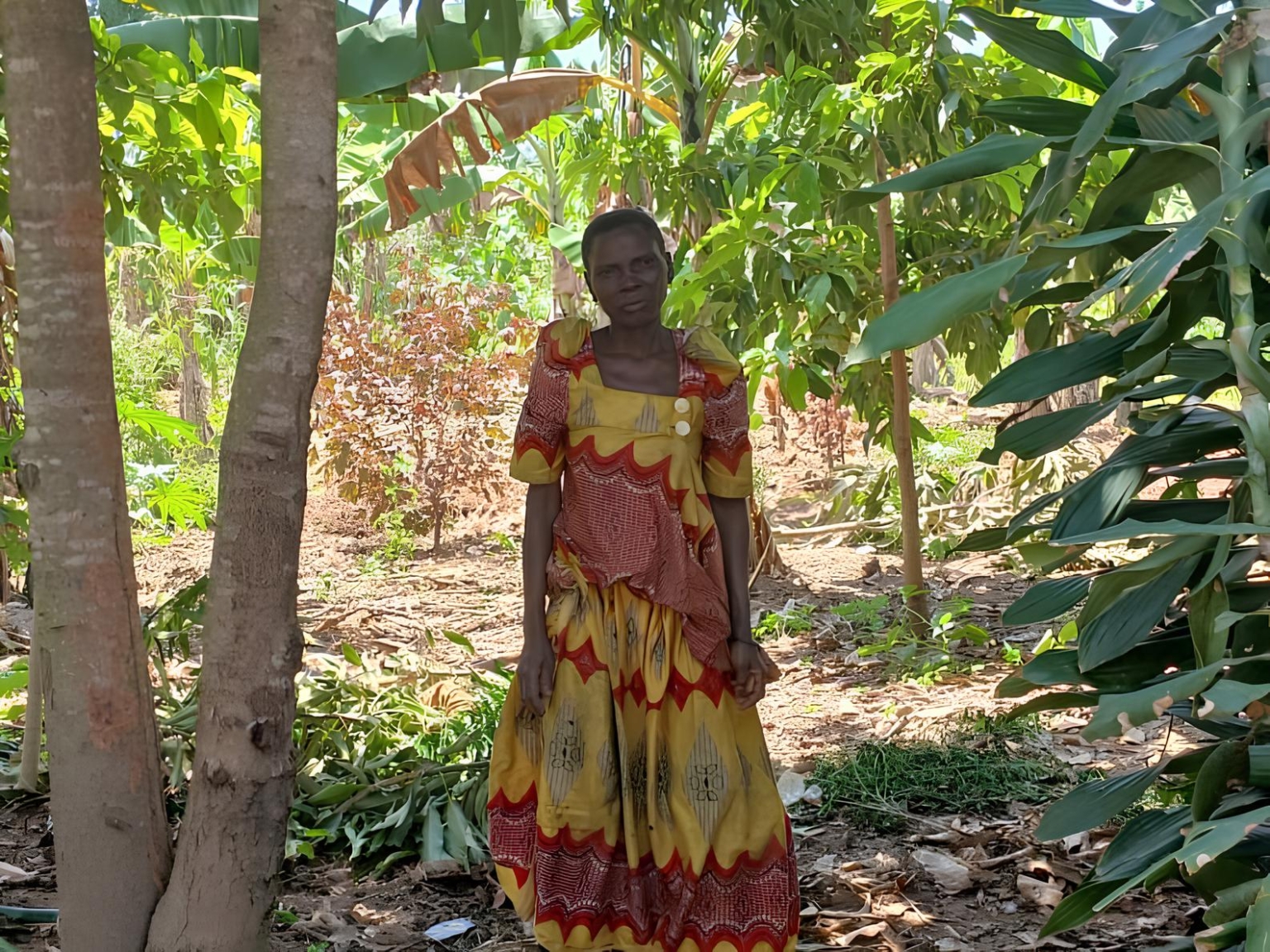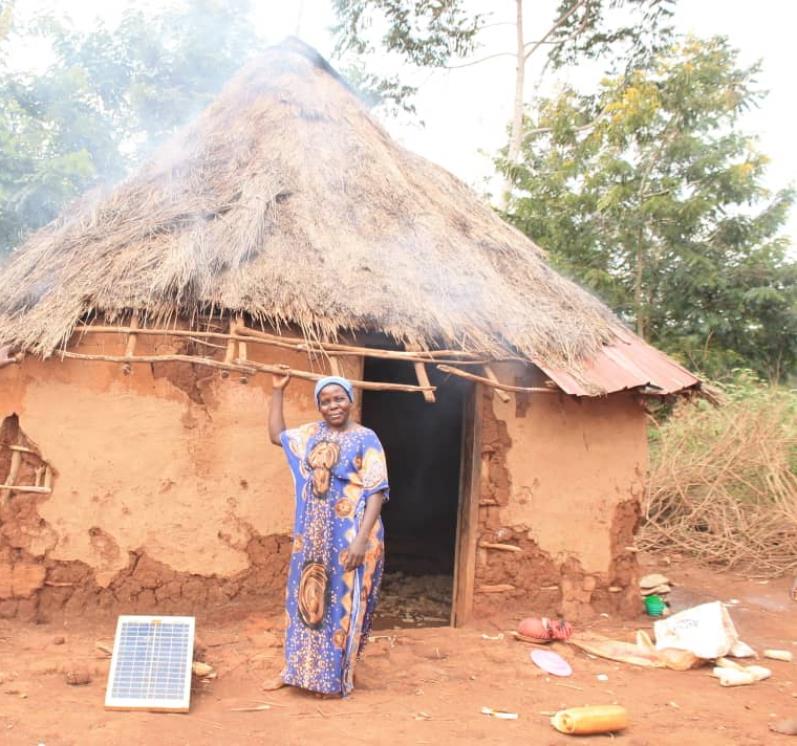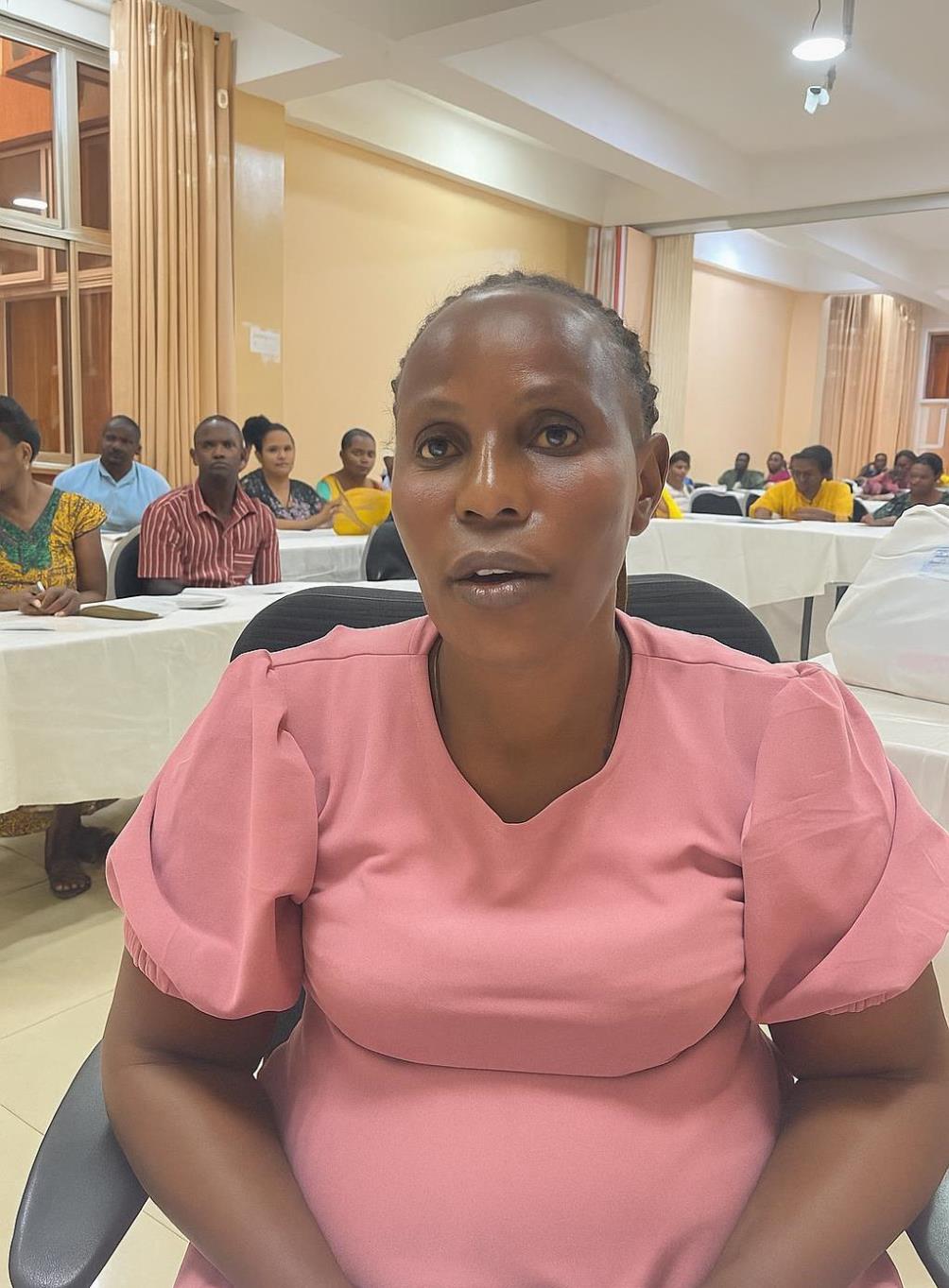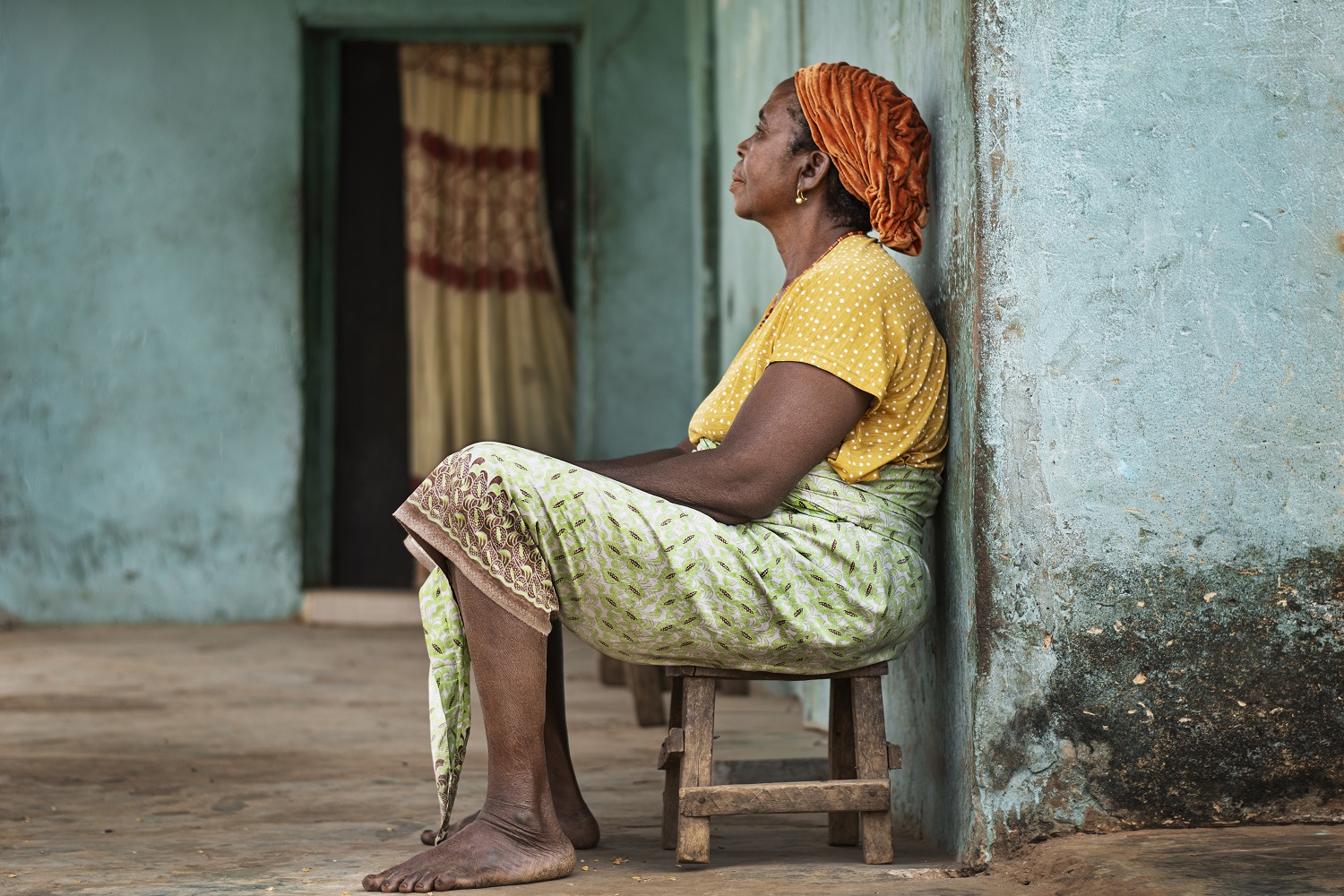
For years, Ms Paska Ajia lived in fear inside her own home. From Padallo Village in Palabek settlement, Lamwo district, Ajia endured daily emotional and physical abuse from her husband, who controlled her finances and silenced her voice.
“Whenever I earned some money, he would beat me and take it away. He used to call me ‘Mama Nonsense, this name meant trouble,” said Ms Ajia.
Fear defined every part of her life. Ajia became so withdrawn and undernourished that she avoided even basic interactions. “When I served him food, I would place it on the table and run away. I was so thin I used to say, ‘If I fell into water, no one would bathe with that water.”
The Turning Point
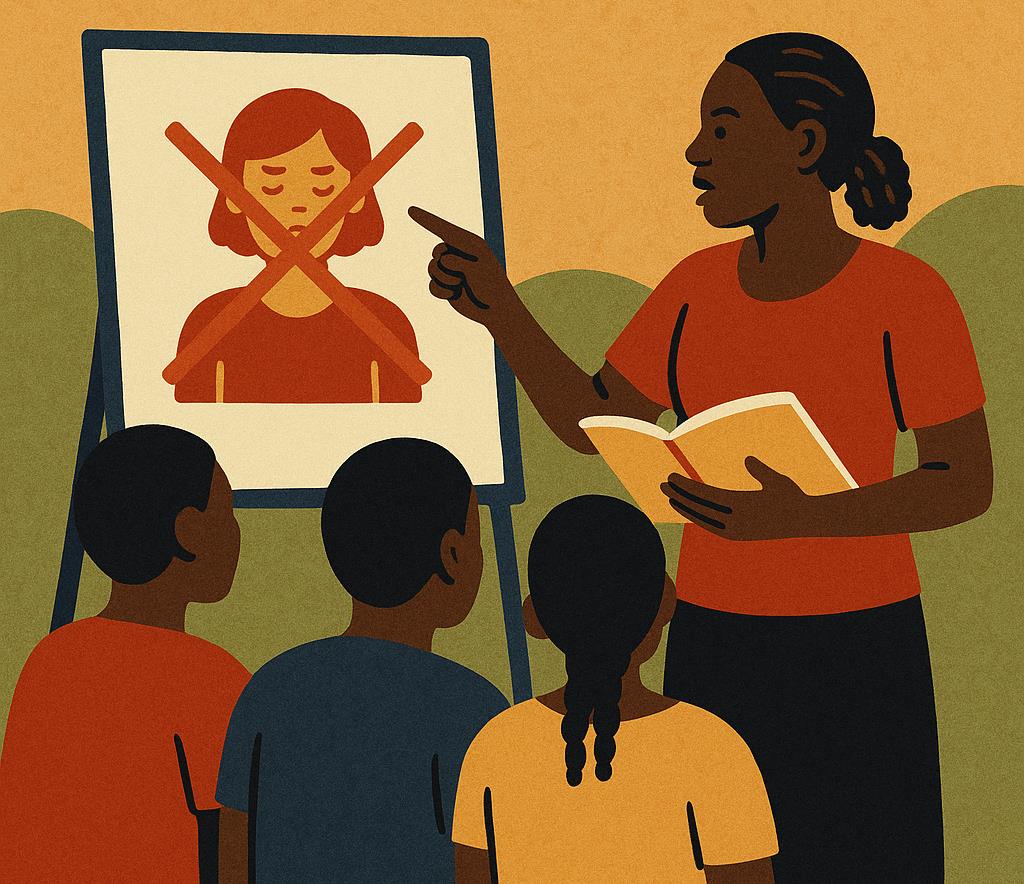
While walking through her village, Ms Ajia came across a community training session organized by UCOBAC on sexual and gender based violence (SGBV), gender equality and healthy communication within families.
Although she had not been invited, Ajia stopped and listened. What she heard resonated deeply. Inspired by the session, she returned home determined to apply what she had learned.
She began by speaking to her children. Then, cautiously, she approached her husband. “At first, he refused to listen but I didn’t give up. I kept trying,” said Ms Ajia.
After four attempts, he finally agreed to hear her out. That conversation marked the beginning of a transformation in their household.
A New Chapter: From Mama Nonsense to Min Atuk
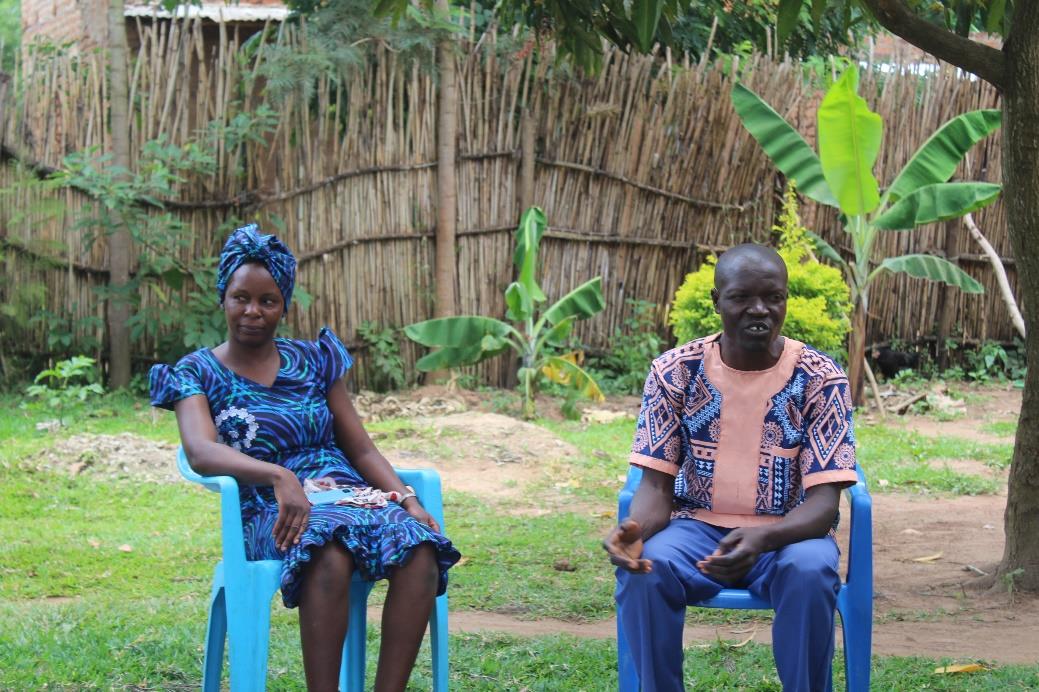
The man who once insulted and mistreated her began calling her “Min Atuk” a term of affection in Acholi meaning “beloved wife.” Ajia responded with warmth, calling him “Daddy Boy.”
“For the first time in years, I could serve him food without fear,” she said. “We started eating together peacefully. We laughed. We talked.”
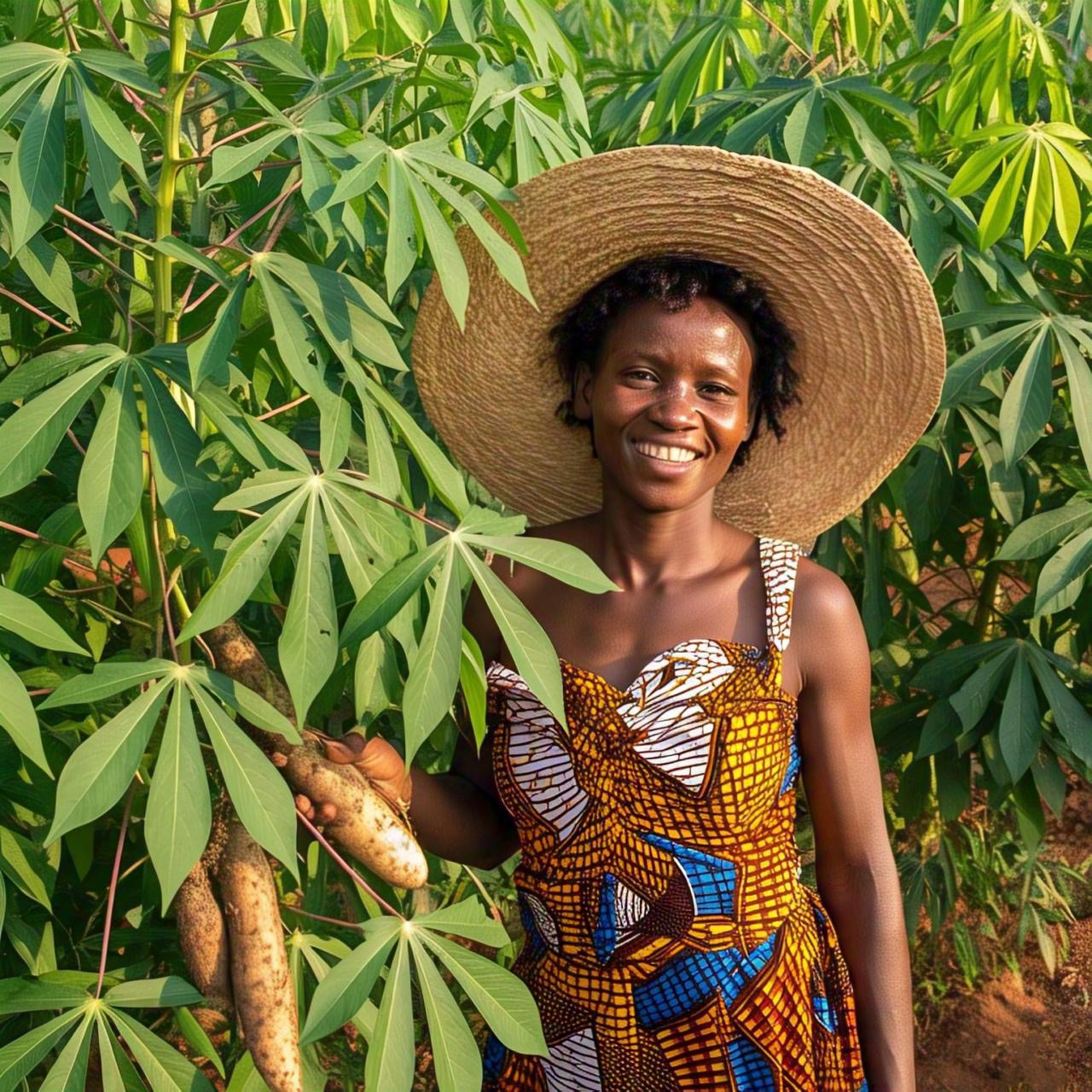
Ms Ajia and her husband began working together on their land, planting maize and earning a modest income. “Recently my husband bought for us a kilogram of meat using his own money. This had never happened before.
The changes were not just emotional they were physical too. Ms Ajia says with a smile that “…now I am healthy, I have added weight. Clothes that could not fit me two years ago now fit, I am happy,” she remarked. Ms Ajia credits UCOBAC for equipping her with the confidence and knowledge to challenge an abusive situation and rebuild her life. “UCOBAC has brought happiness to my home, they empowered me to speak, to act and to hope. I look good because of UCOBAC,” she added.