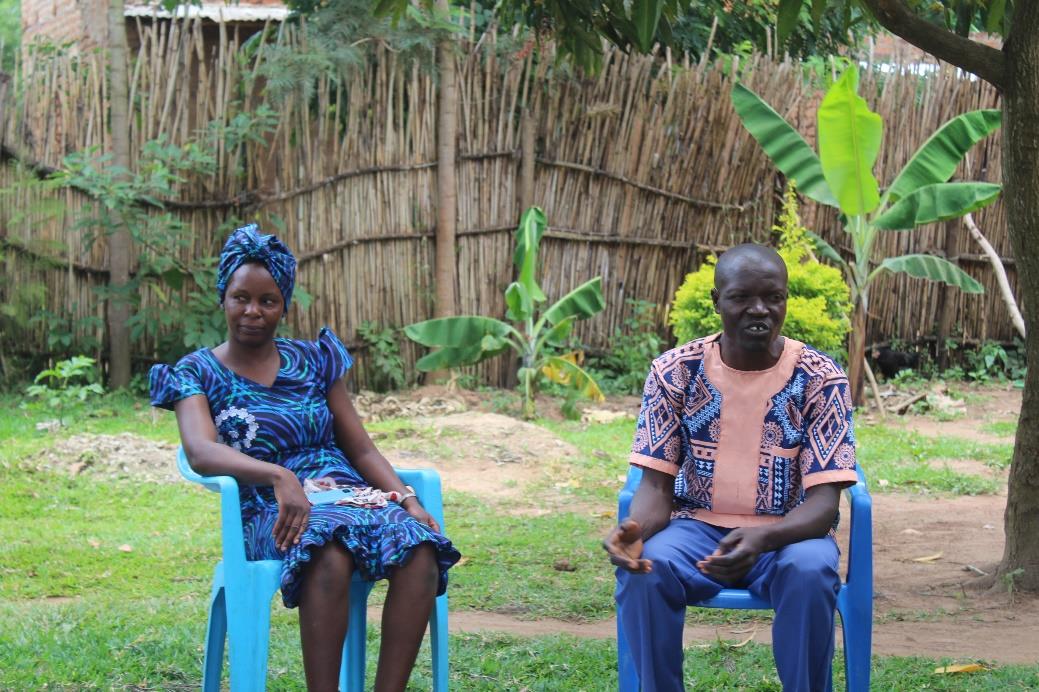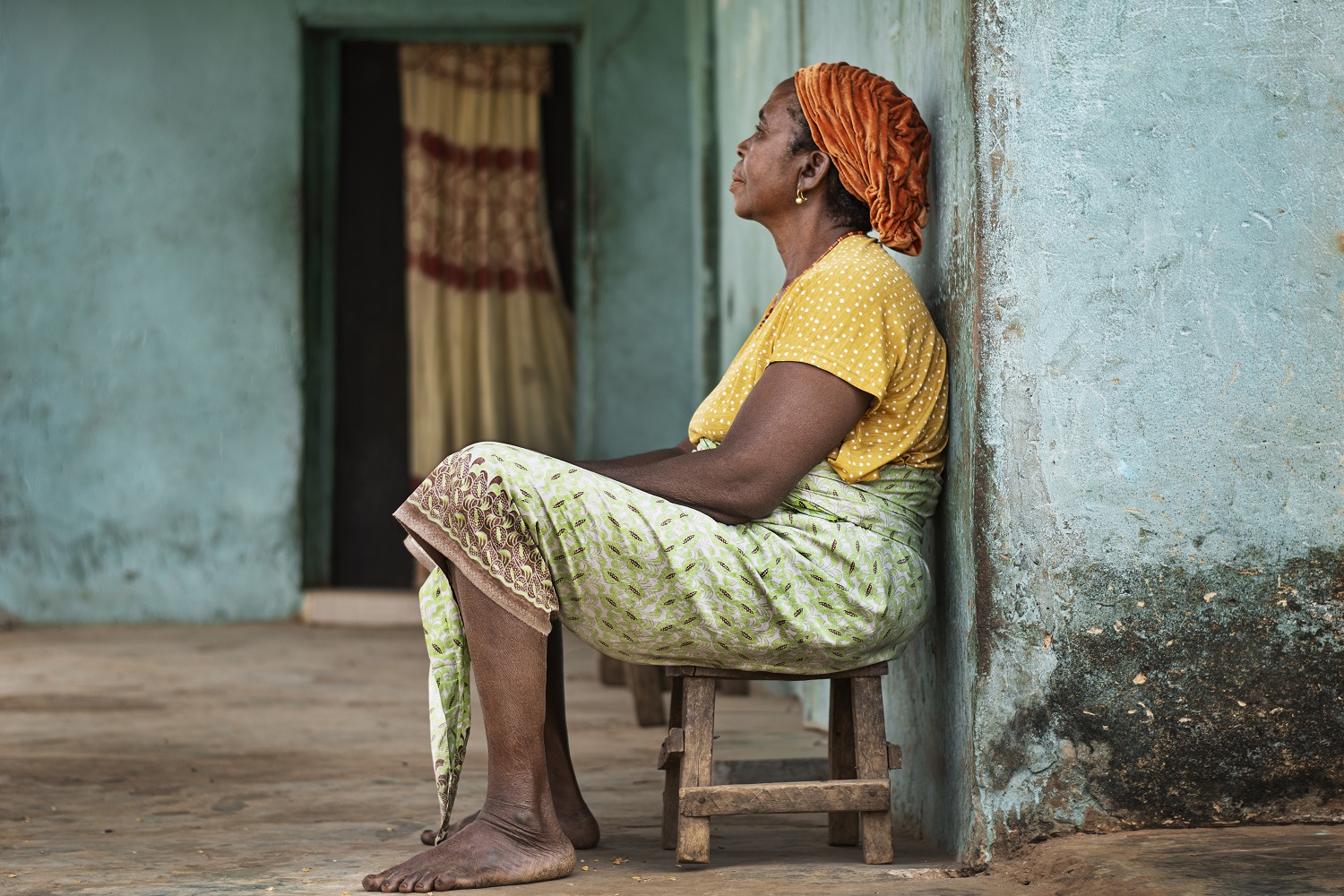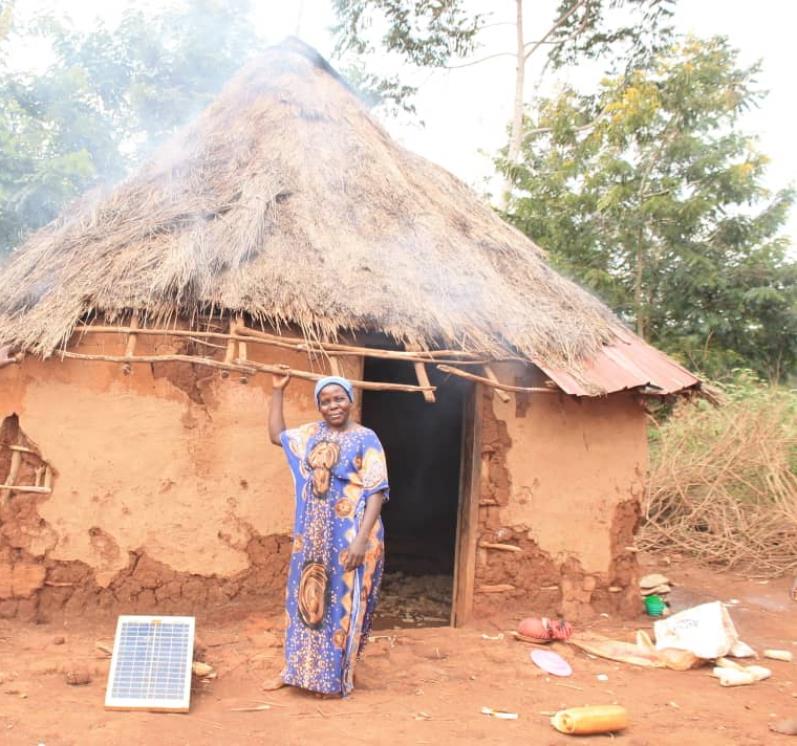
In Nkinda village, Bugiri District, life was a daily struggle for Ms Jamala Naigulu and her seven children. Married at 17 into a polygamous family, Jamala lived in a fragile grass thatched home that leaked during every rainfall. With a husband who prioritized other families and little financial support, Jamawa faced overwhelming responsibility to provide food, shelter and care for her children.
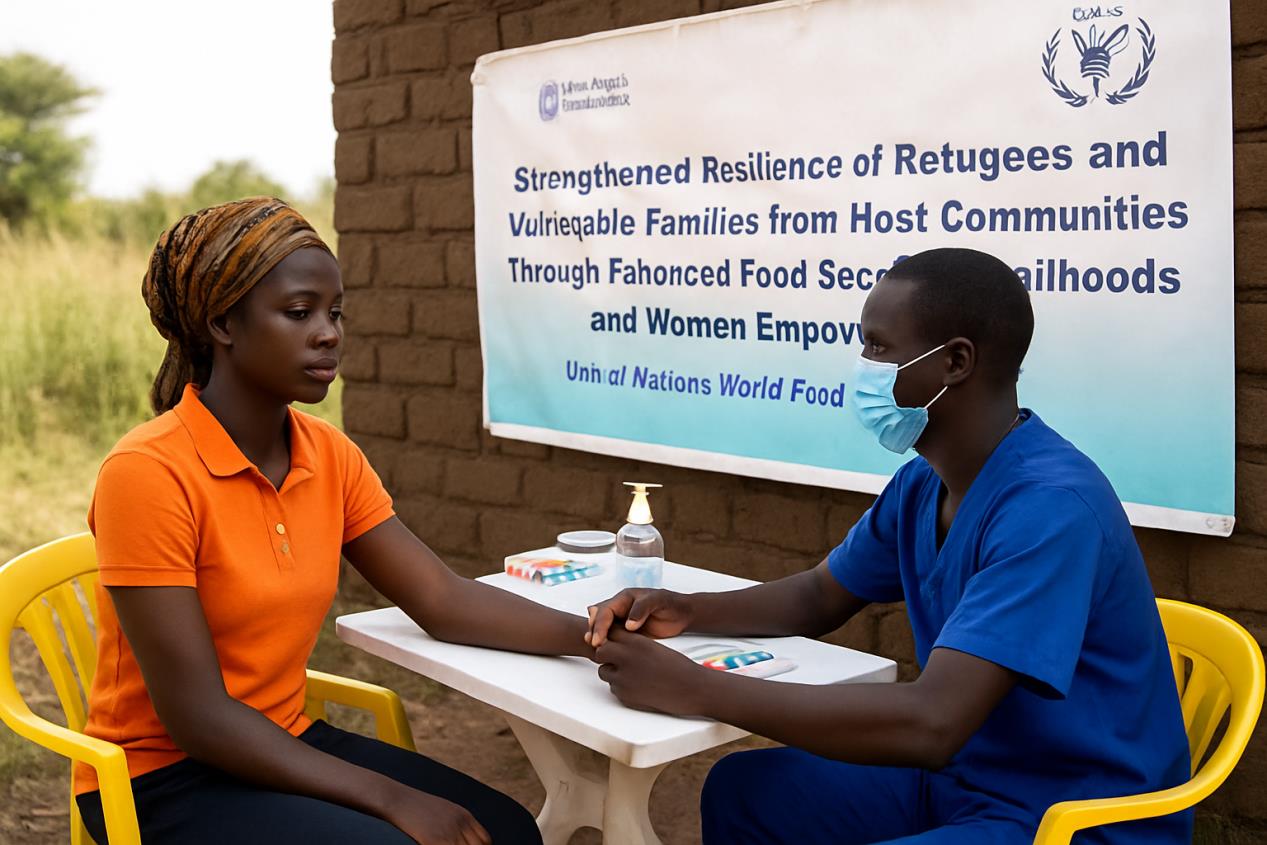
Things began to shift when Jamawa joined a local women’s savings group supported by the Fair for All project we implemented in the district. Determined to change her situation, she began saving Shs 2,000 per week from small jobs she did around the village even as some neighbors mocked her for trying.
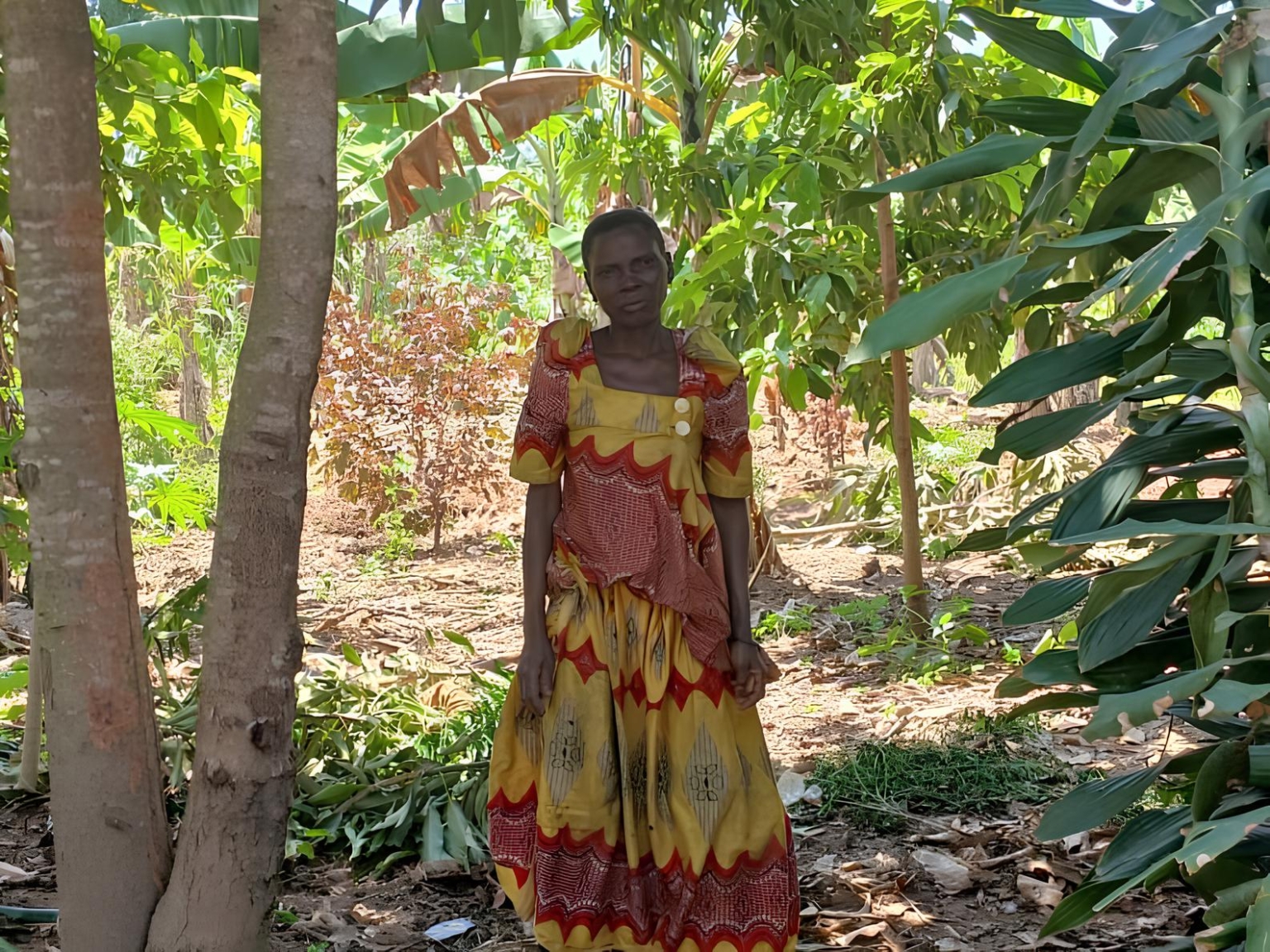
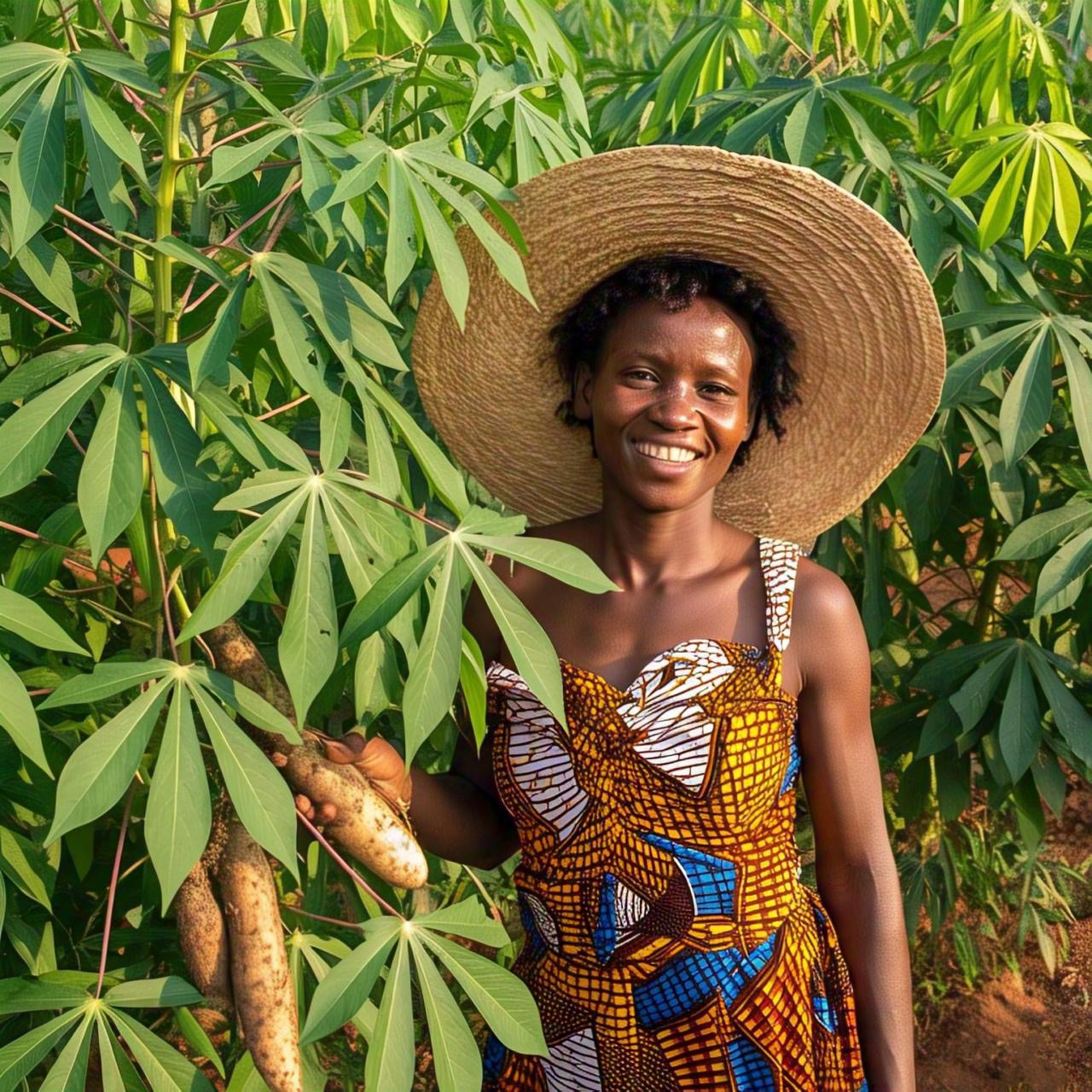
Despite initial skepticism from the group due to her background, Jamawa persevered and eventually qualified for a Shs 300,000 loan. She used it to rent two acres of land which subdivided into four plots. Thanks to the climate smart agriculture training provided by the project, Jamawa applied improved techniques to grow drought resistant cassava on one of the plot, Improved soya , Long maize brand, and beans.
The results were life changing. In a single season, Jamawa harvested 500 kilograms of cassava, 200 kilograms of soya beans, 300 kilograms of beans and 1,200 kilograms of maize. She earned 2,490,000 million shillings from the sales, an amount she once thought unimaginable. After repaying her loan, she reinvested the remaining income in goats, poultry and essential household items.
“This harvest was a miracle, it gave me hope and showed me what’s possible.”
As her financial independence grew, so did her confidence and influence. Her success in the garden earned her recognition as a model farmer and she soon became Chairperson of the Women’s Council in her village. She strengthened the group’s savings operations, improved sanitation in her home and gained the trust of local leaders.
When she ran for Village Woman Chairperson, her fellow group members became her campaign team. She won by a wide margin becoming a symbol of grassroots empowerment in Nkinda.
Her economic journey did not stop there. She bought a cow, which later gave birth to a calf. She now earns 3,000 shillings a day selling milk in her village. With that income, she is building a permanent brick house, a long time dream that once felt out of reach.
Jamawa credits her transformation to UCOBAC’s training, monitoring and support. “They opened my eyes to what was possible,” she said.
Her journey from struggle to stability is a powerful reminder of how access to savings, climate resilient farming skills and supportive community structures can help women rise from poverty to positions of leadership.