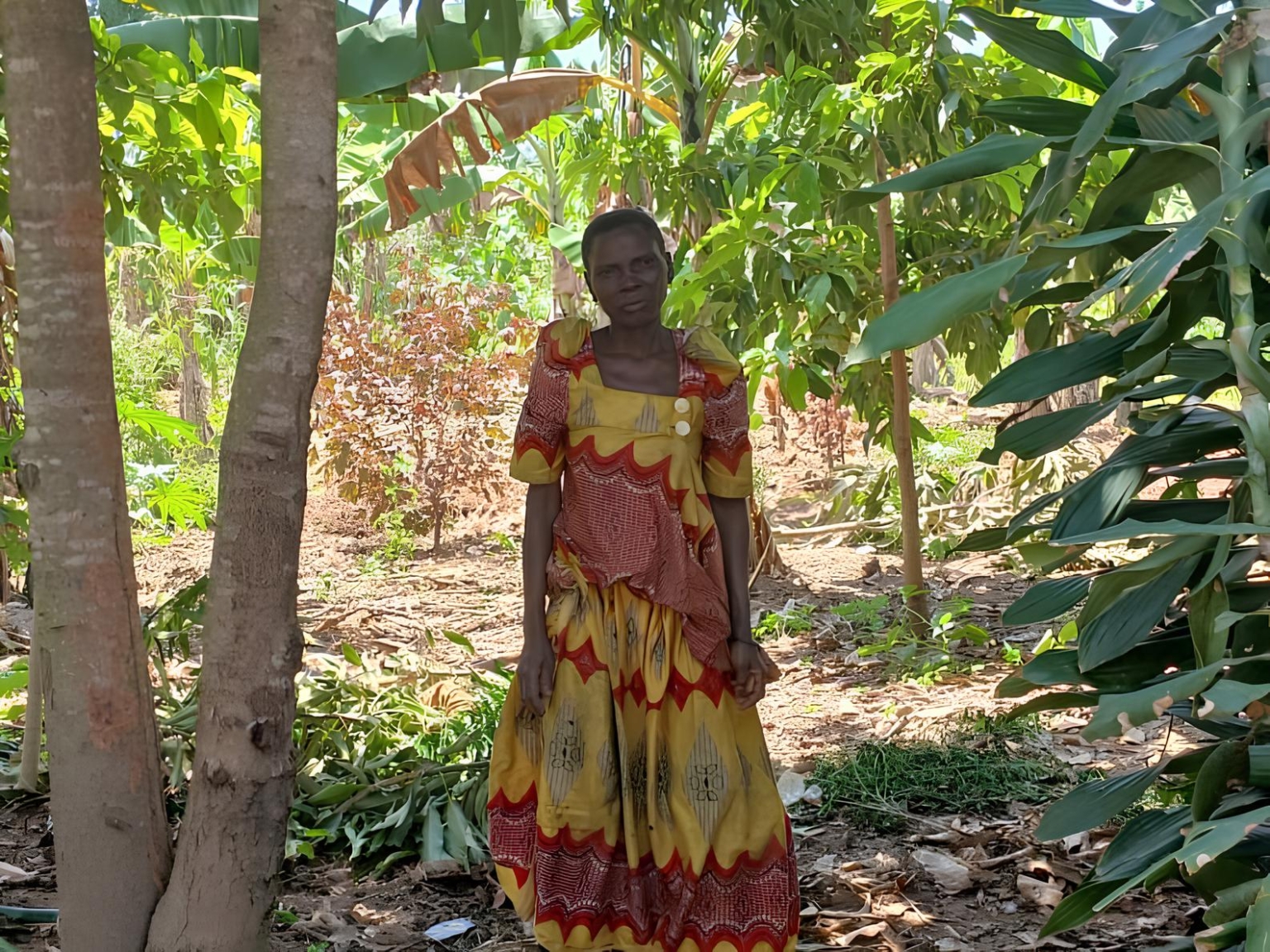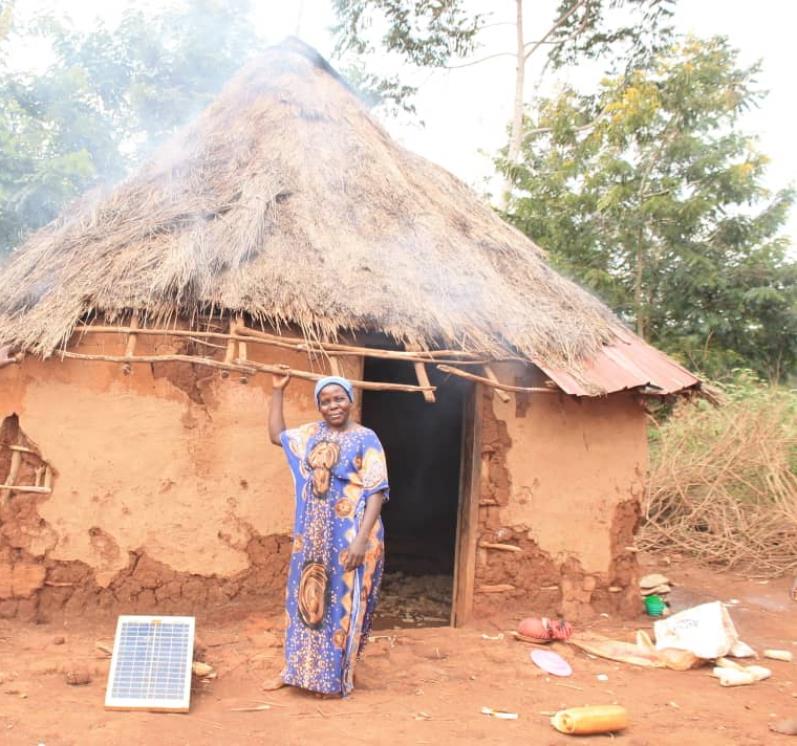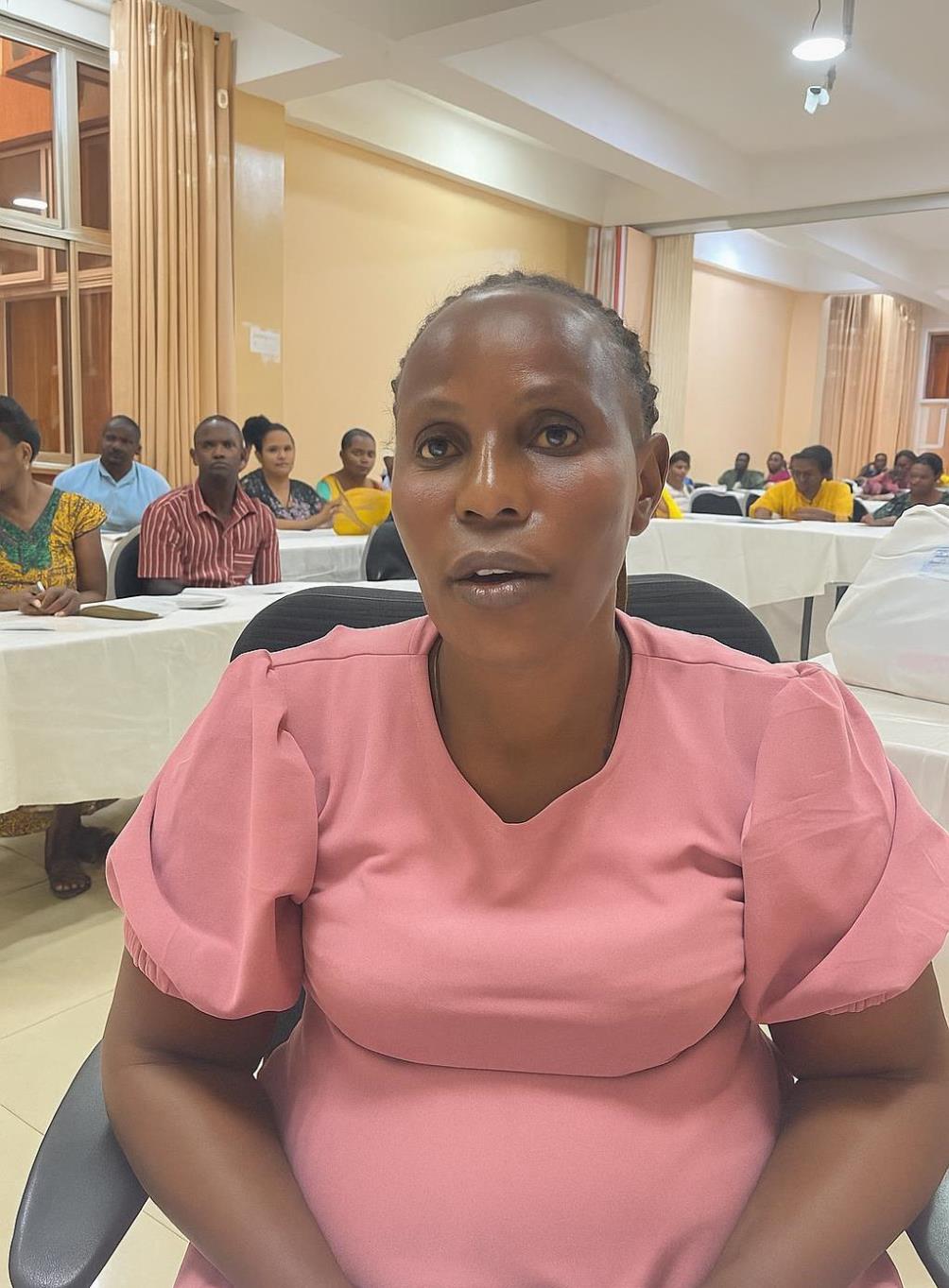
At just 26 years, Ms Lillian Amito, a refugee from South Sudan had already experienced the heavy weight of motherhood, displacement and daily survival. Married at 19 years, Amito was a mother of three children by the time she turned 23 years. After fleeing conflict and resettling in Uganda, life grew even more difficult. Her family struggled to afford food, healthcare, and school fees. Emotionally and physically drained, Lilian often felt trapped.
“I thought having many children was just what I was supposed to do. But it was wearing me down,” said Ms Amito.
Everything began to change in February 2023, when UCOBAC arrived in Zone 9, Palabek Settlement to organize farmer groups under the. Ms Amito was selected as both a group beneficiary and later she became a community peer educator.
Not long after, UCOBAC returned to conduct family planning training. Out of curiosity and with some encouragement, she decided to attend. This decision marked a turning point.
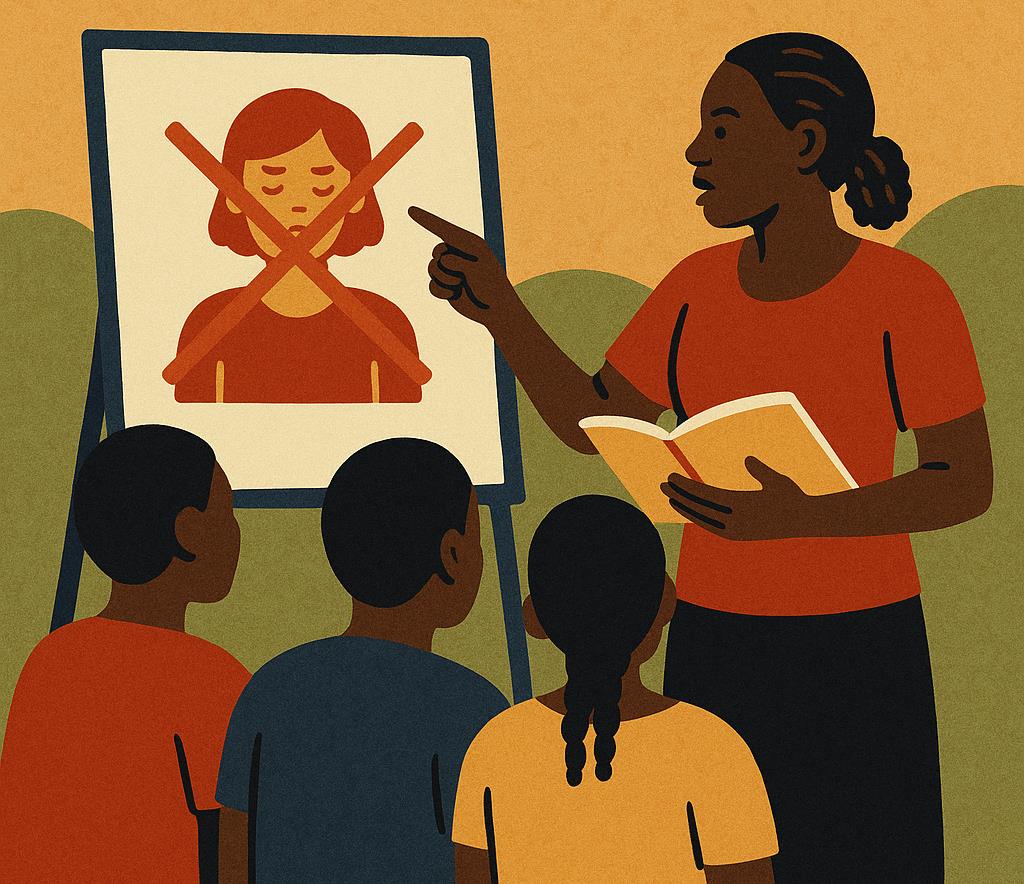
During the session, she learned about the health risks of closely spaced pregnancies, the importance of giving the body time to recover and the many available family planning methods available.
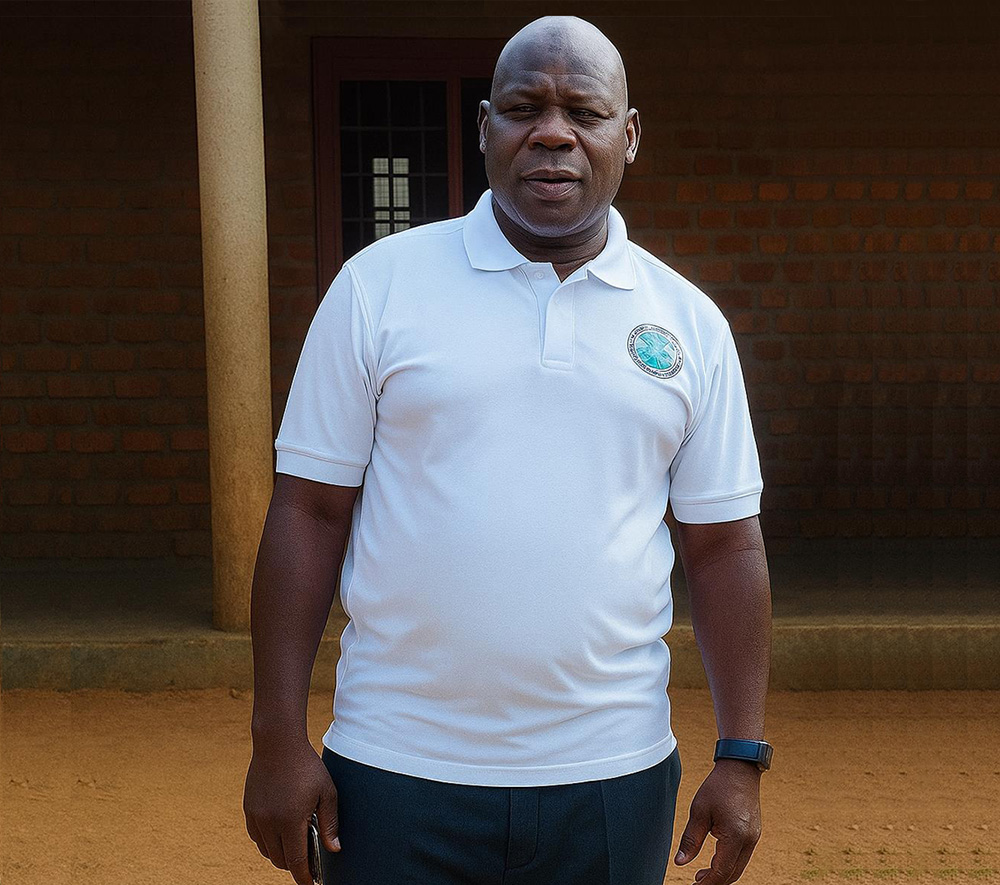
What stood out most for Ms Amito was the focus on women’s health. “The trainer who was a midwife explained to us how spacing pregnancies can prevent complications during child birth. This is something I had never heard before,” she said.
According to Ms Amito, she used to think that contraceptives caused infertility or made women sick.
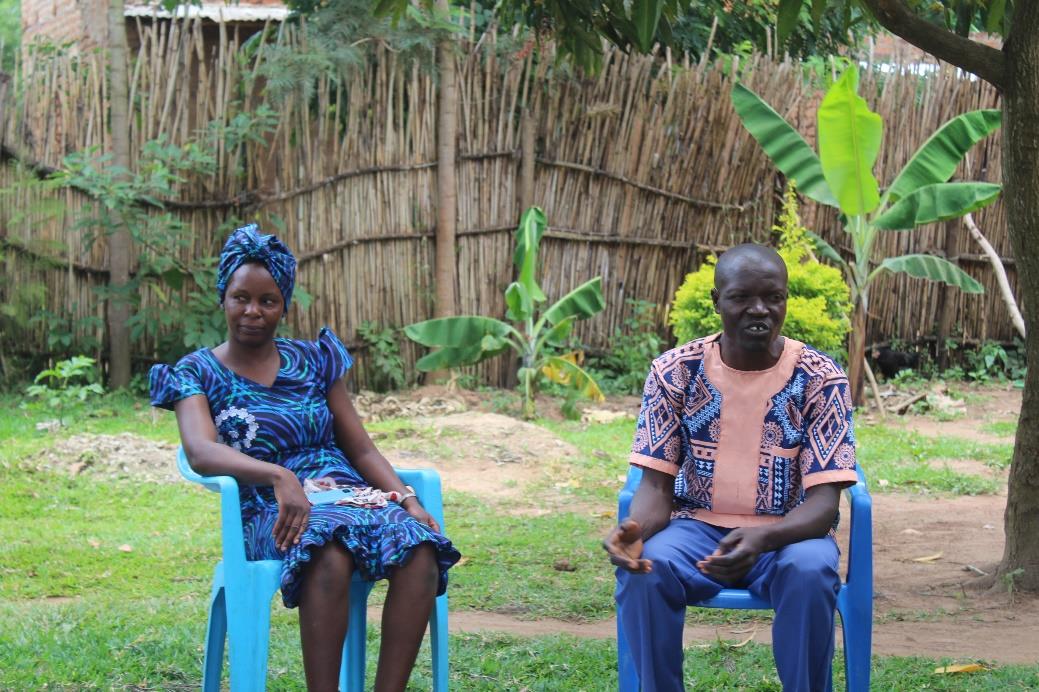
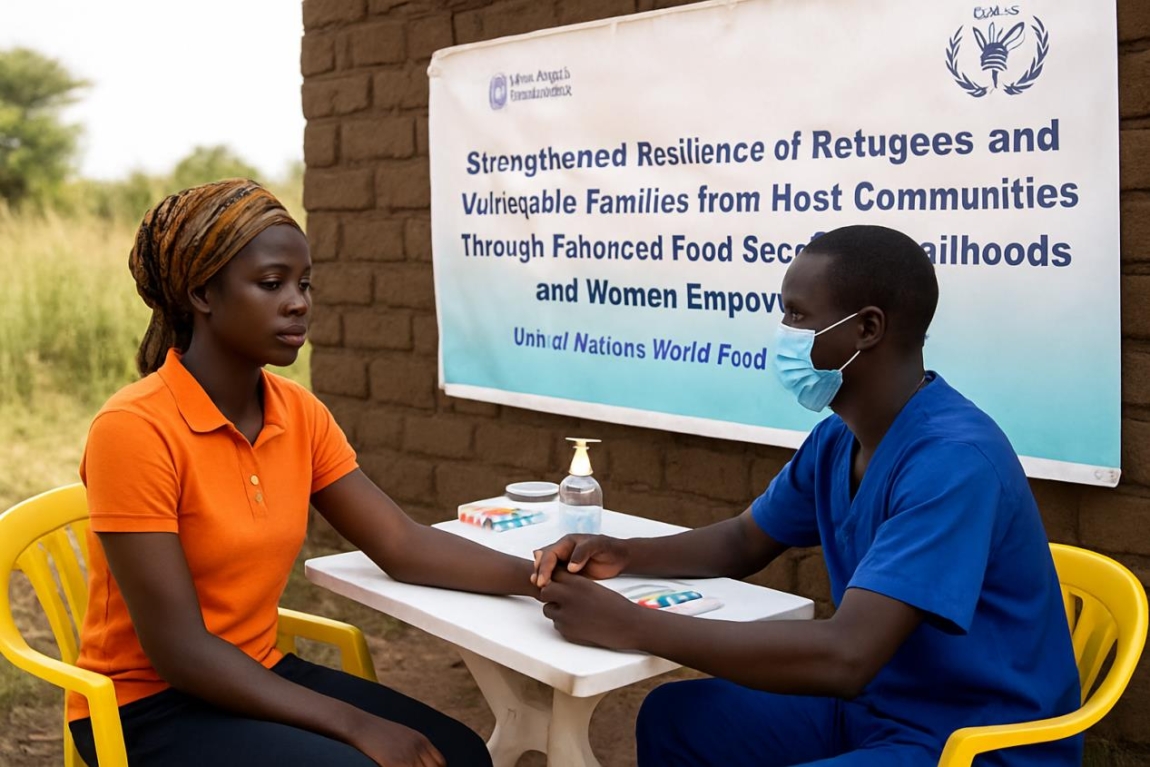
With support from a UCOBAC project officer and a health worker, Ms Amito spoke with her husband about the options. After open discussion and joint counseling, the couple agreed she would begin using a short term injectable method. The service was provided free of charge and Ms Amito received training on how to safely administer it to others in her community.
The impact was immediate as Amito’s health improved since she now had fewer children to care for.. She started a piggery business, which gave her financial independence, and was later elected as a woman leader in her zone.
“I can now support my children better. They are eating well, going to school, and I can focus on helping others.”
Her husband, once uncertain about family planning, is now one of her biggest supporters.
Advocating for Others
Today, Lilian speaks openly about family planning across Palabek and the host community. As a peer educator, she encourages other women to attend sessions and make informed choices—just as she did.
“For me, family planning wasn’t just about preventing pregnancy,” she said. “It was about reclaiming my future.”
Uganda hosts over 1.7 million refugees and asylum seekers and majority of these come from South Sudan.