In Uganda, land is more than property, it is security, dignity and survival. But for women living with HIV, the right to own and control land often feels like an impossible dream. Stigma, silence and social exclusion have denied many the opportunity to rebuild their lives with independence.
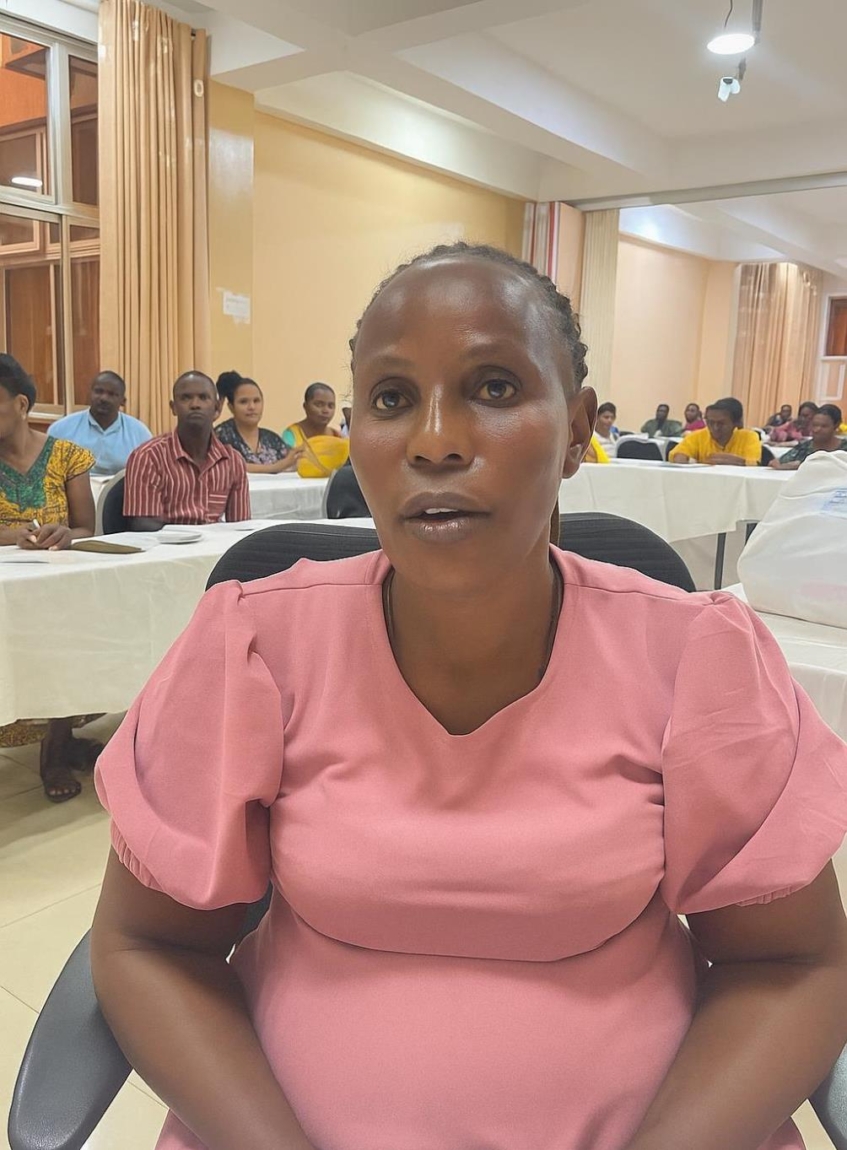
For Nyamwija Immaculate, a 39 year old mother of two children from Mbarara district, owning land was once unimaginable. But her journey from being a stigmatized teenage mother to becoming a landowner and community advocate has changed not just her life but the lives of others like her.
Immaculate’s story begins in 2005, when she was a Senior Four student. That year, she became pregnant at the age of 17 and was forced to live with the man who had impregnated her. “It wasn’t by choice,” she recalls. “I was young, scared and had no say.” Tragically, the father of her child passed away shortly after and she returned to her father’s home with a baby and no support.
It was during this difficult period that her world shifted again. A mobile health team came through her village offering free HIV testing and she tested positive.
“From that moment, life got harder. I faced constant stigma from neighbors, my family and even from people I thought were friends. I was being shamed and labeled,” added Nyamwija.
By the time she was 24, the weight of judgment had become unbearable. She left home and moved to Mbarara town desperate to start over. Survival wasn’t easy. She worked in bars struggled to afford medication.
“I did what I had to do to survive. It was painful but it opened my eyes. I saw other young women living with HIV who were just like me, ignored judged and trying to live. That’s when I decided to fight for us.”
Immaculate began a small grassroots initiative called “ Action for Improved Health and Wealth” to support girls facing HIV related stigma. Through this work, she became exposed to broader human rights issues and the glaring inequality around women’s access to land.
Years later, with two children and a new partner with whom she did not share children, Immaculate made a bold decision to save and buy land of her own.
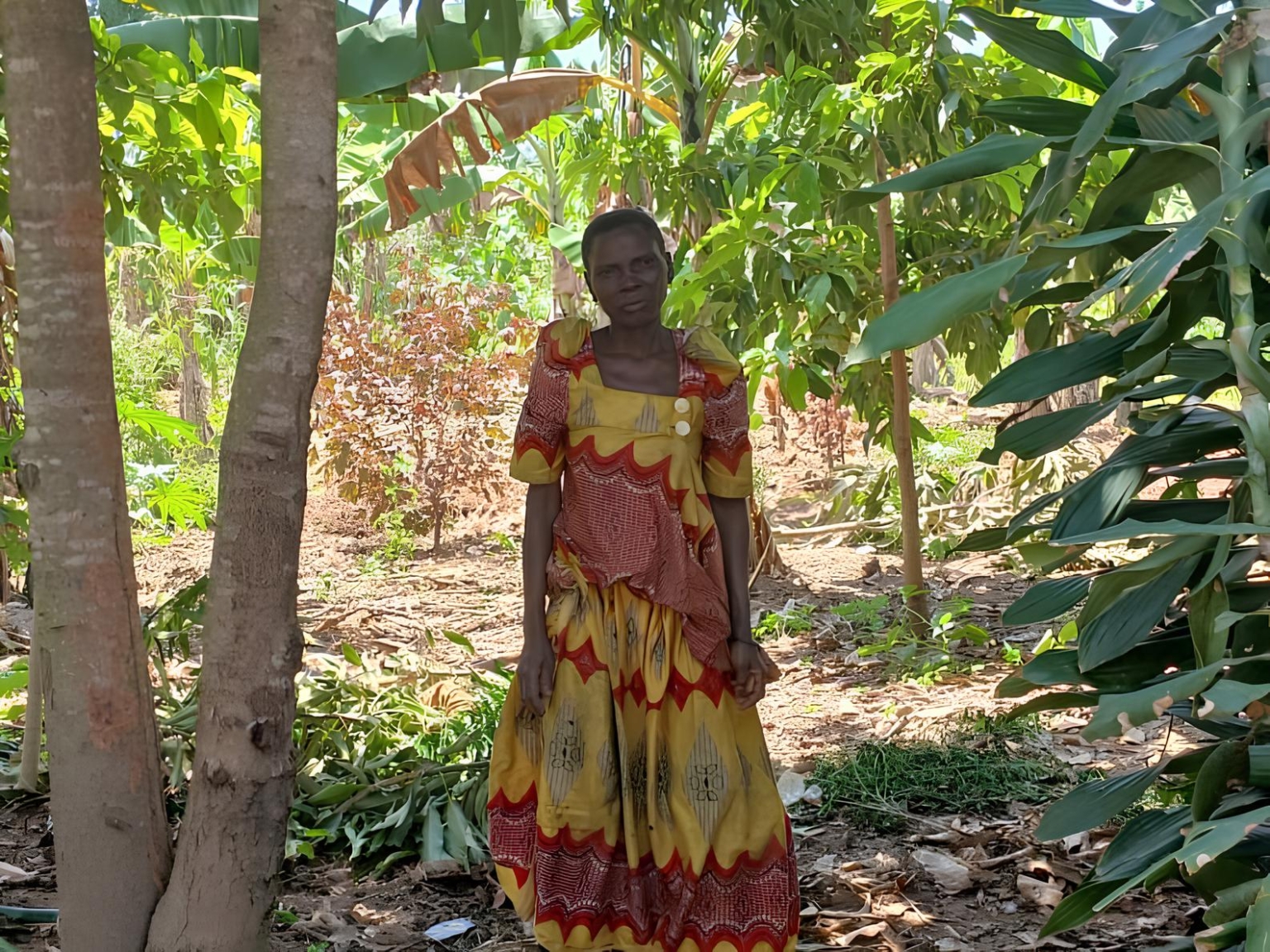
“I started saving and bought land. My partner encouraged me to buy land in his home area where he was a local leader. I agreed and purchased the land with banana and coffee plantations.”
But trouble soon followed as her husband started controlling how she manages her own land and she did not have the opportunity to enjoy proceeds from the two plantations that she had. “He controlled everything. He threatened my workers, harvested my crops and dismissed me when I questioned him. I had no say on the very land I had bought,” said Nyamwija.
The turning point
In 2024, Nyamwija attended a grassroots women leaders’ academy in Kisoro District through the Stand for Her Land Campaign. During the training, she learned that it is her legal right as a woman to own, control and manage land. Empowered by this knowledge, she spoke to her partner and took the bold step of purchasing another piece of land, insisting on full transparency by involving witnesses in the transaction.
“After the training I went and told my partner what I had learned and actually proposed buying another piece of land from another area where he would have no control over what I plant and the proceeds I get. For the first time, he listened to me and acknowleded that he was wrong. He told me that he knew women had no control over land even if it is righfuly theirs. Suprisngly he even agreed to sell to me a plot of land he owned with his ex wife. I told him that his ex wife has to be there as he sold to me the land and indeed they both agreed and today I can proudly say I have two pieces of land that belong to me. These will be inherited to my two children,” said Nyamwija.
Today, Nyamwija is more than a landowner—she’s a respected voice in her community. The same man who once dismissed women’s rights now refers land cases to her, especially those involving widows and daughters denied inheritance.
“He used to say girls were given land out of mercy. Now he calls me to help mediate cases. That’s growth, for both of us,” she says.
Immaculate actively teaches other women particularly single mothers and widows to save and invest in land and to understand the importance of land ownership. She also champions the rights of sex workers arguing that they deserve the same opportunity to build secure and dignified lives. “They do this work not because they want to, but because they have no alternatives. If we supported them to own land, we would change their futures.”