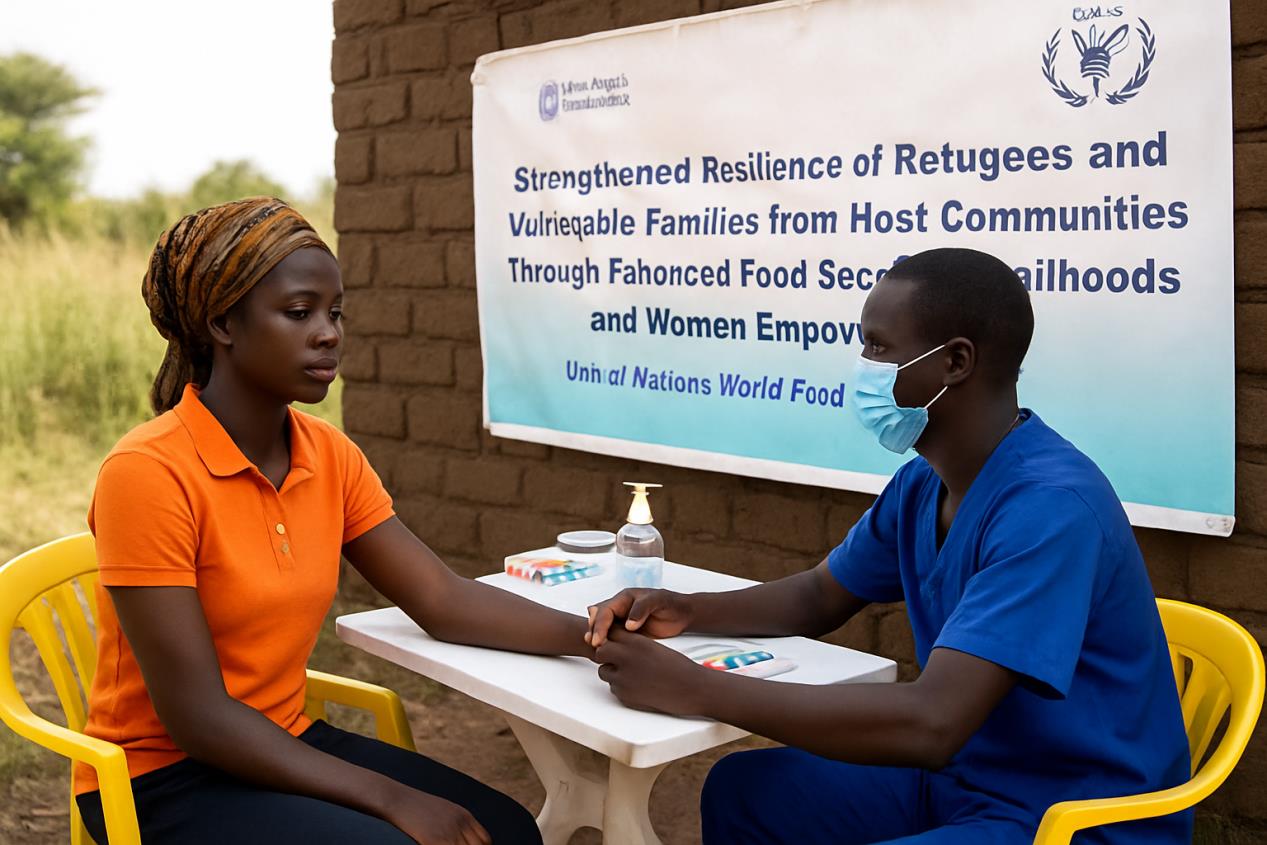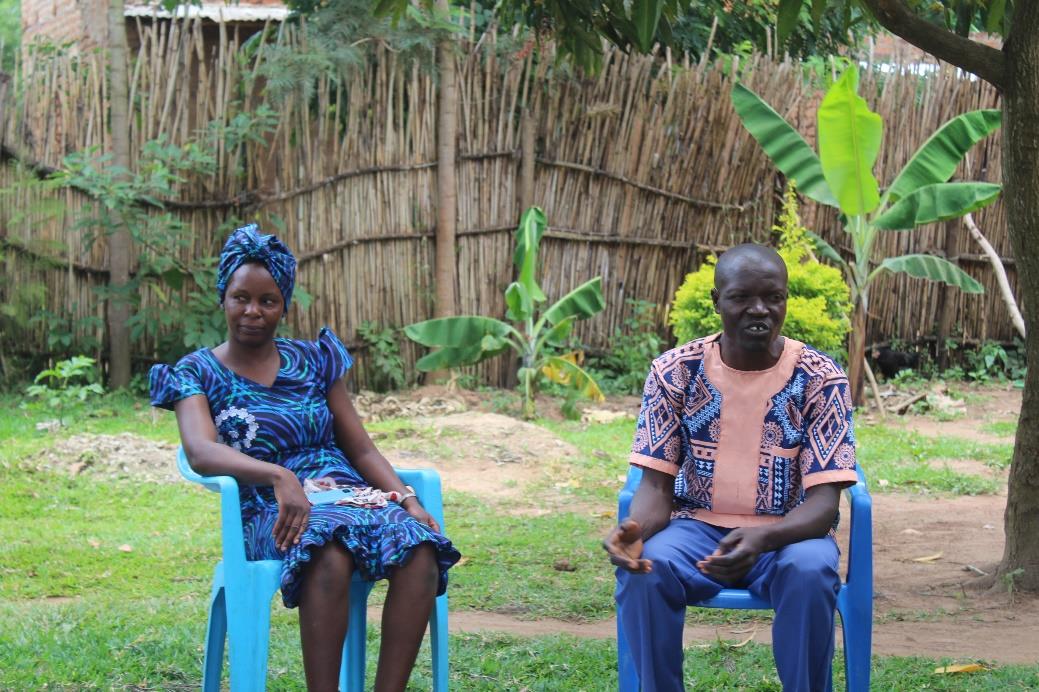
In the rural landscape of Ogom Sub County, Pader District, persistent negative stereotypes surrounding HIV have resulted in the unjust discrimination faced by women and girls. Some have even fallen victim to violent abuse due to their gender. The stigma associated with HIV/AIDS has pushed many individuals backward, rendering them feeling unworthy and excluded from crucial decision- making processes, political arenas, and equal healthcare services.
Stigmatization is often fueled by discriminatory cultural beliefs, low levels of education, low awareness levels, and inefficient government policies. Addressing this issue necessitates a multifaceted approach involving education, awareness campaigns, and legal safeguards. Notably, pregnant women in rural northern Uganda are particularly susceptible to HIV- related stigma, emphasizing the urgency for healthcare providers to collaborate with HIV-positive women and other stakeholders to fortify coping strategies, as highlighted in the PLO ONE 2022 journal.
The enduring stigma linked to HIV/AIDS arises partly from misconceptions about the disease’s prognosis and transmission modes. This stigma not only restricts individuals living with HIV from accessing essential healthcare but also perpetuates false beliefs. However, there is a glimmer of hope on the horizon, marked by the recent success of an initiative breaking down stereotypes and barriers, significantly improving the lives of affected women and girls.
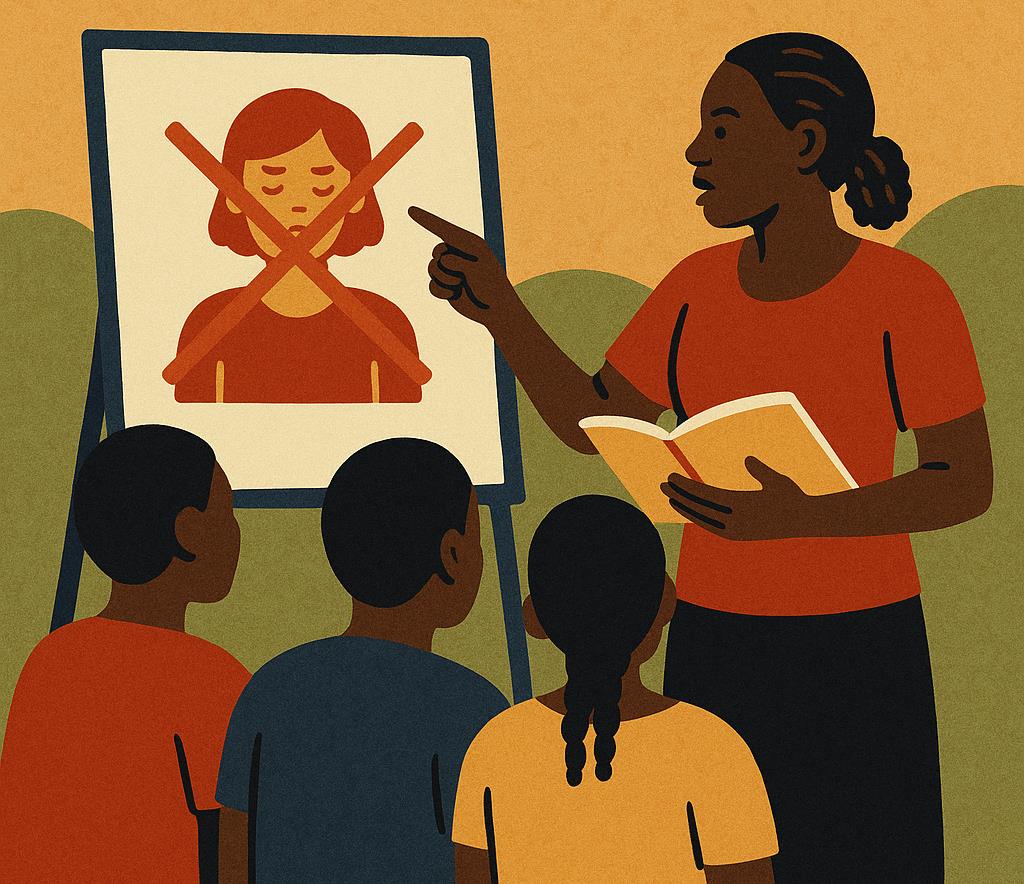
Implemented by the Uganda Community Based Association for Women and Children’s Welfare (UCOBAC), the project titled, “Addressing Discriminatory Norms on HIV and GBV against Women and Girls” has ushered in positive changes. Supported by the US Embassy through its PEPFAR program in Uganda, this initiative has established safe spaces in Yitoduny and Telela East. Over the course of a year, eighty girls have received vital HIV education using the Stepping Stone Guide during field visits, empowering them to challenge societal norms.
Empowered by their newfound knowledge, these young women have formed advocacy organizations, serving as a platform to voice their concerns to decision-makers. Leaders within these groups actively raise community awareness through radio talk shows on critical issues like sexual harassment and gender-based violence.
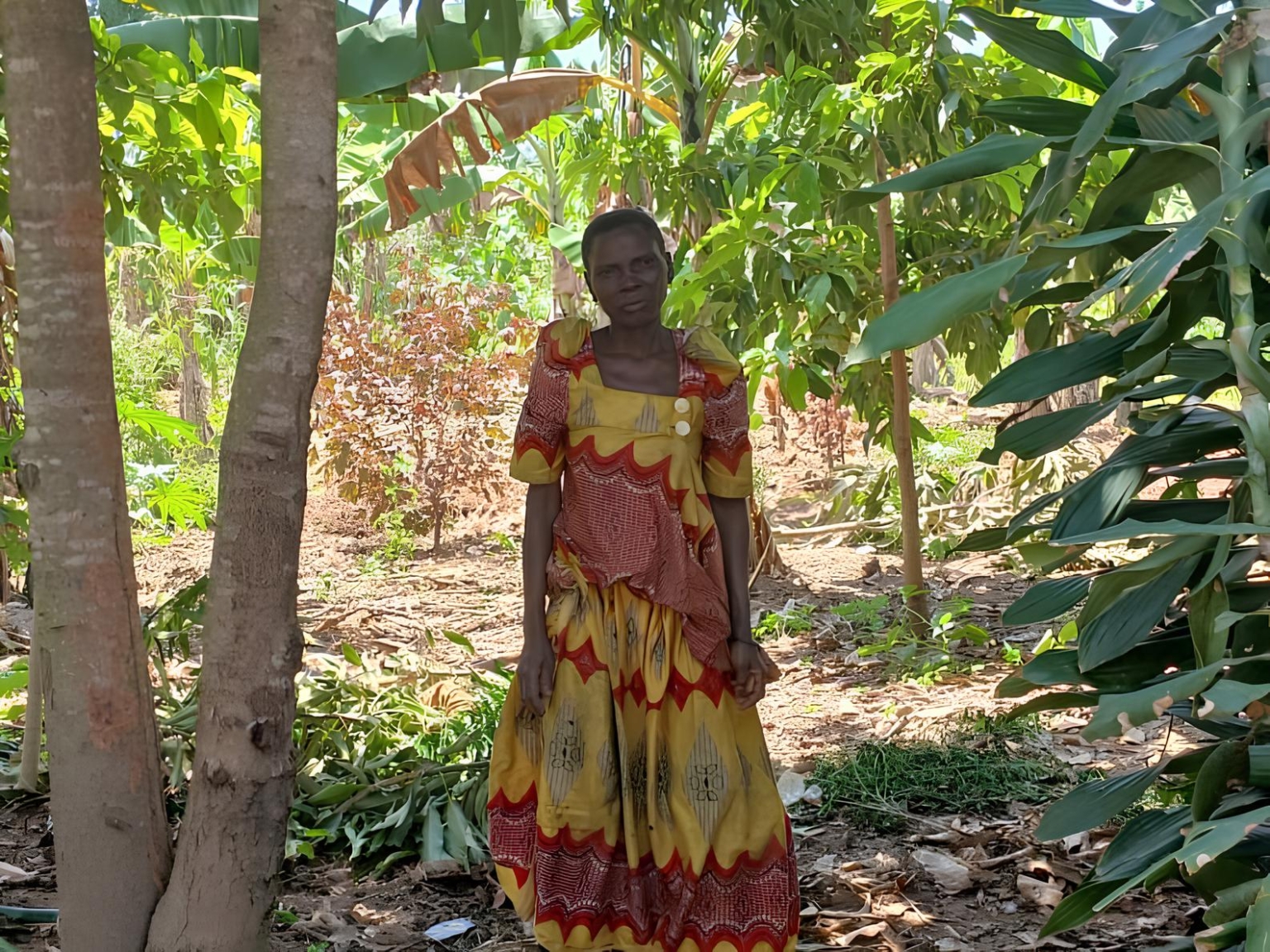
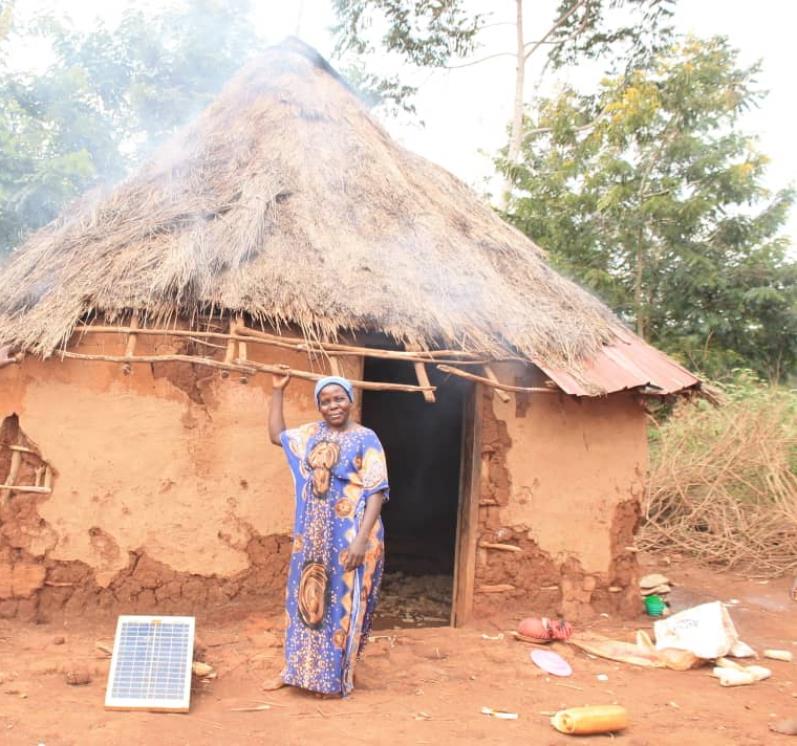
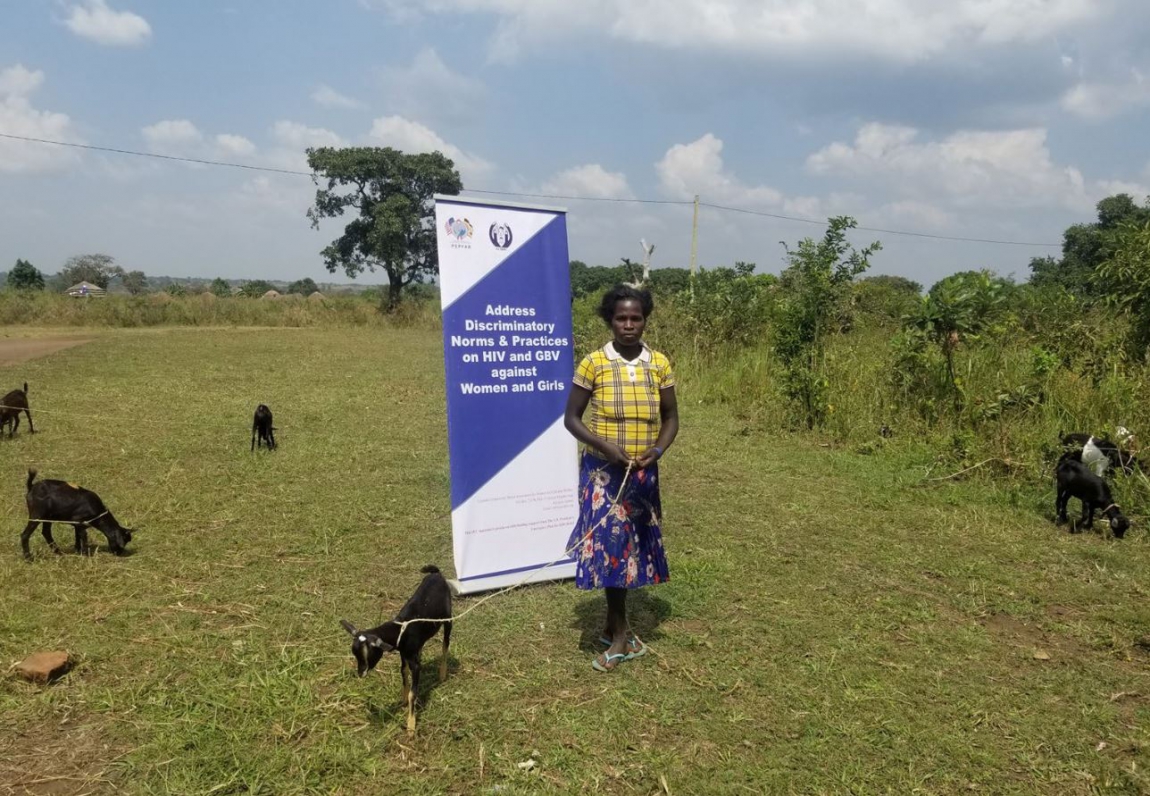
One of UCOBAC’s interventions provided all the eighty girls with female goats, enhancing their economic capacity. Grace Lakica, a 28-year-old mother of three from Ogom sub county, Pader district, experienced a transformative change through this initiative. Previously facing immense challenges, including financial struggles and the aftermath of a divorce due to her HIV status, Grace received a female goat in December 2022. The subsequent births of four more goats have allowed her to join a savings group, support her daughters’ education, and plan for the future.
With increased earnings, Grace joined a cooperative, where she learned about financial management, sustainable farming practices, and community development. Now a source of inspiration in her community, Grace and her cooperative successfully applied for a parish development model grant, receiving one million shillings to initiate a business. Her determination is evident as she plans to build a small animal house and expand her goat herd, embodying the transformative impact of breaking chains and building futures.