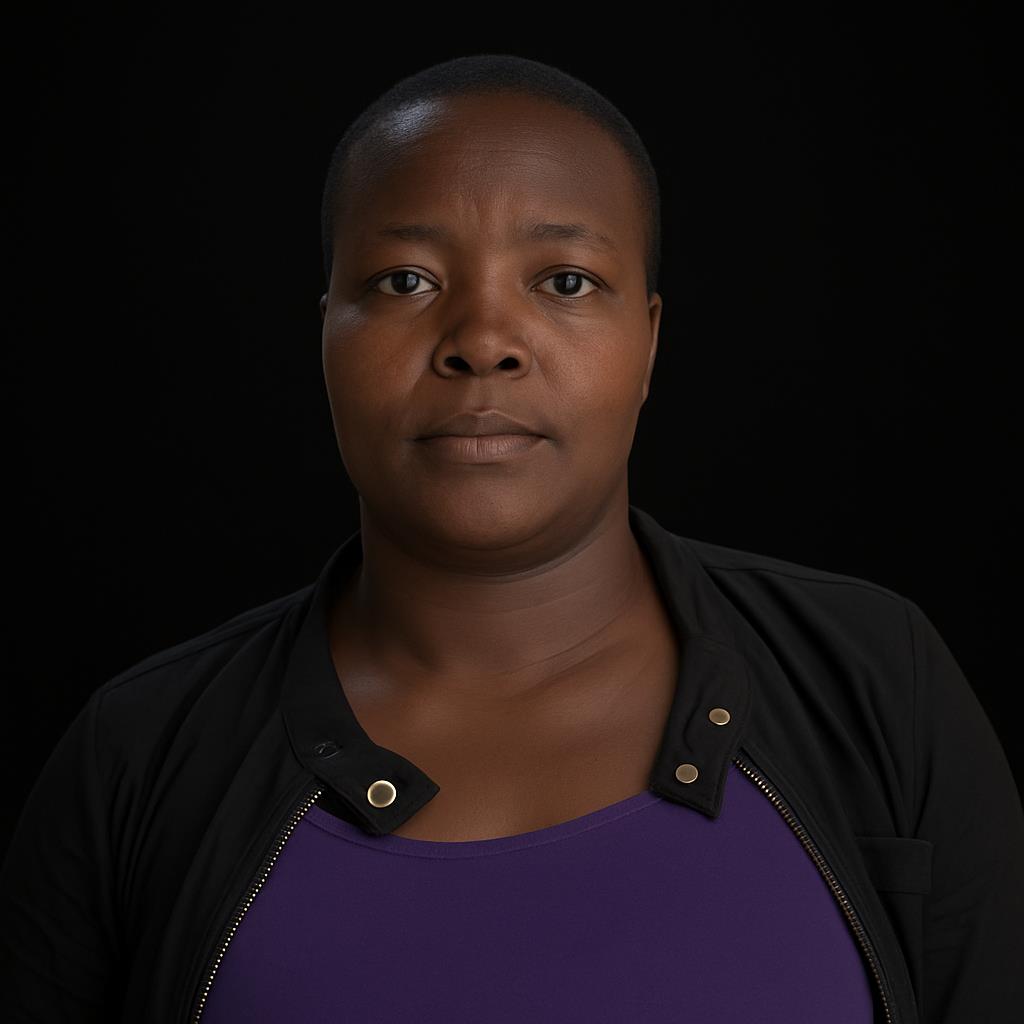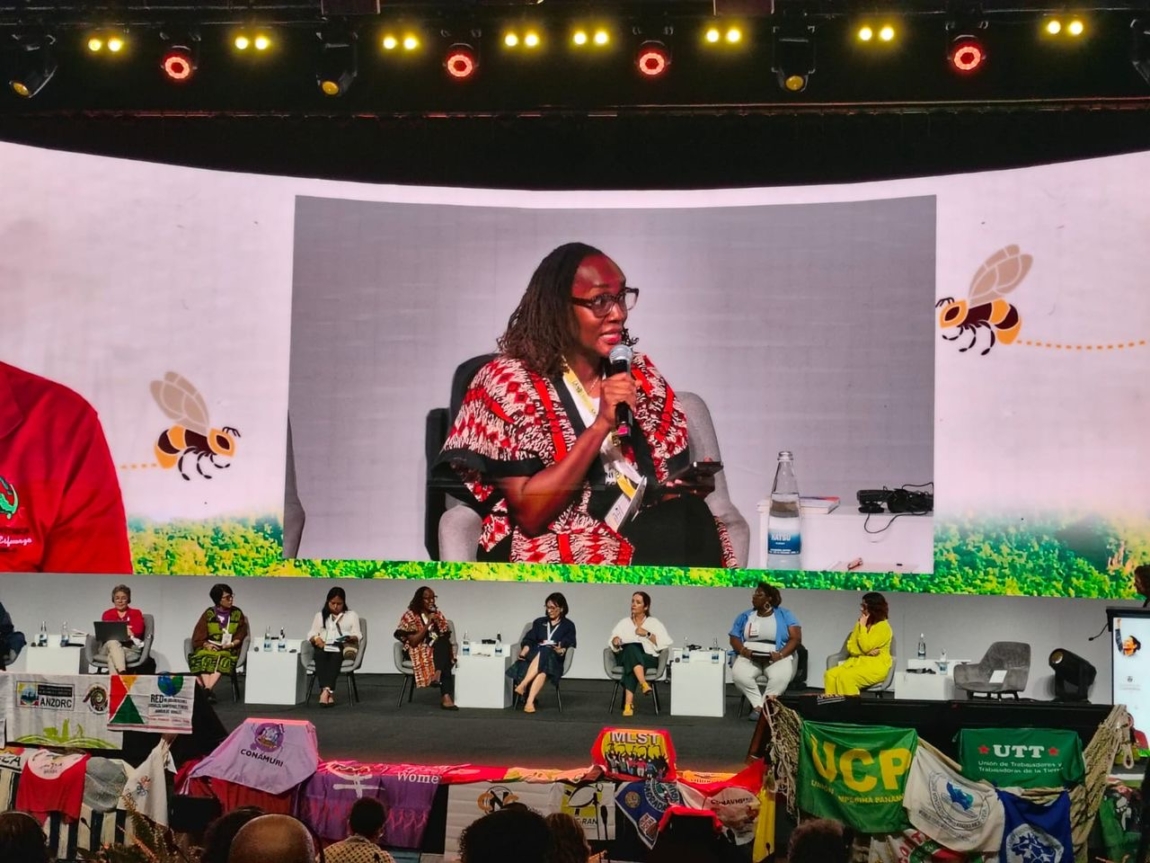
Our Executive Director, Ms. Frances Birungi, is part of the delegation participating in the Second International Conference on Agrarian Reform and Rural Development (ICARRD+20), convened by the Government of Colombia, co-organized by Brazil, and supported by the Food and Agriculture Organization (FAO).
As part of the delegation, she contributed to panel discussions that helped shape the Conference’s Final Declaration. In her remarks, she emphasized the importance of multi-level approaches in advancing Women’s Land Rights and agrarian reform.
She noted that while the global level plays a critical role in setting norms, standards, and financing frameworks, it can risk becoming disconnected from lived realities. She observed that grassroot actors bring vital local and indigenous knowledge and experiences that inform sustainable and practical solutions, yet they often lack the power and resources required to scale their impact. Bridging these gaps, she stressed, is essential for meaningful and sustainable change.
Drawing lessons from the Stand for Her Land (S4HL) Campaign, Ms. Birungi highlighted how coordinated action across global, national, and grassroots levels has positioned Women’s Land Rights at the center of sustainable development, climate resilience, and resilient food systems. She further noted that the campaign’s advocacy ensures that decisions, processes, and actions at global and regional levels are informed by lived realities and experiences from the grassroots.
At the national level, where implementation occurs, she demonstrated how civil society coalitions work collectively to close policy and implementation gaps while intentionally shifting power to grassroots women by placing them at the center of advocacy efforts.
Her contribution reinforced the call for inclusive, people-centered land governance and stronger alignment between global commitments and national action.
UCOBAC remains committed to advancing Women’s Land Rights through strategic partnerships, coalition leadership, and evidence-driven advocacy across global, national, and grassroots levels.