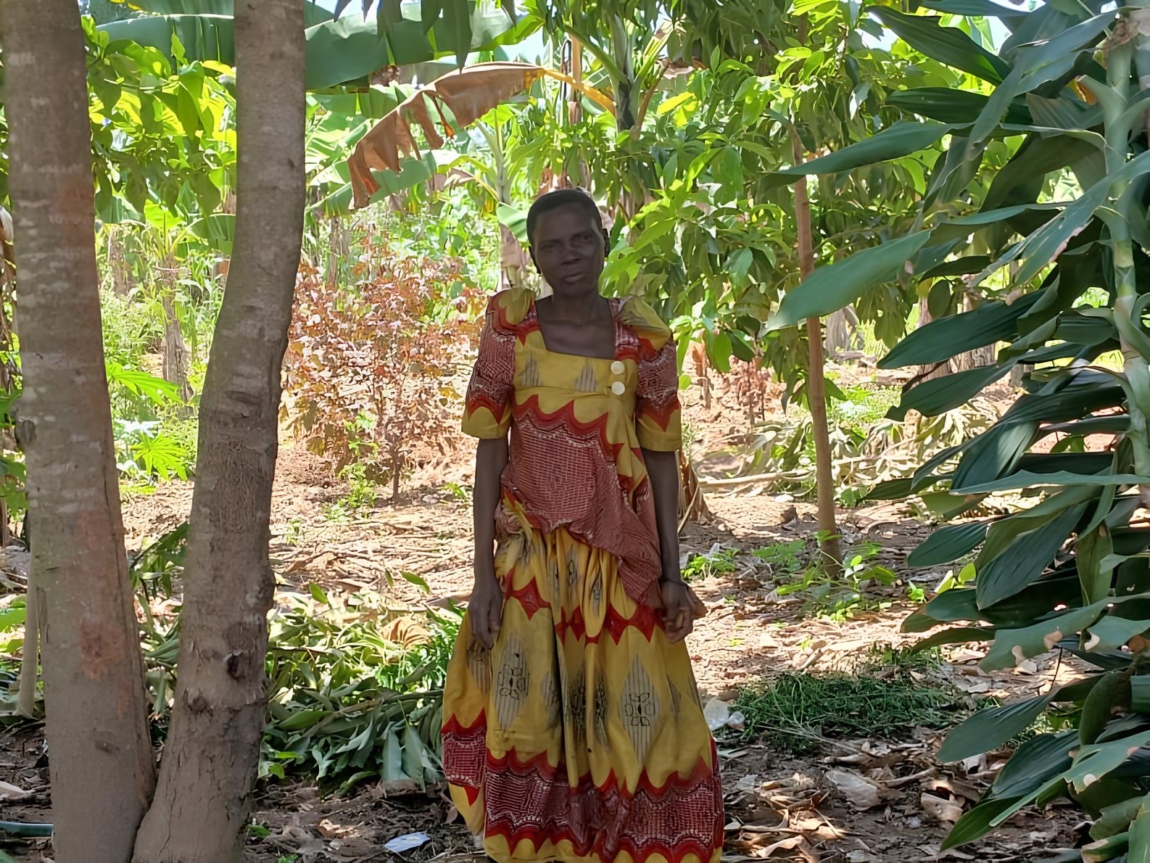
50 year old Ms Madina Kanyago from Namatala village, Namawa parish in Kachonga sub county, Butalejja district knows first hand how fragile a widow’s place can be in rural Uganda especially one without children. When her husband, Duse Twahiri, died in 2022, Madina feared she might soon lose the land she had called home for years.
She wasn’t alone. As one of five wives and without biological children of her own, Madina had little standing in a society where land rights for women are often linked to motherhood.
“I knew the day he died that my place in this home would be challenged,” she says. And it was.
When Family Turns Against You
Soon after her husband’s death, family tensions escalated. Step sons and in laws moved to evict the childless co wives, arguing they had no rightful claim to the land. One of the widows was forced to leave.
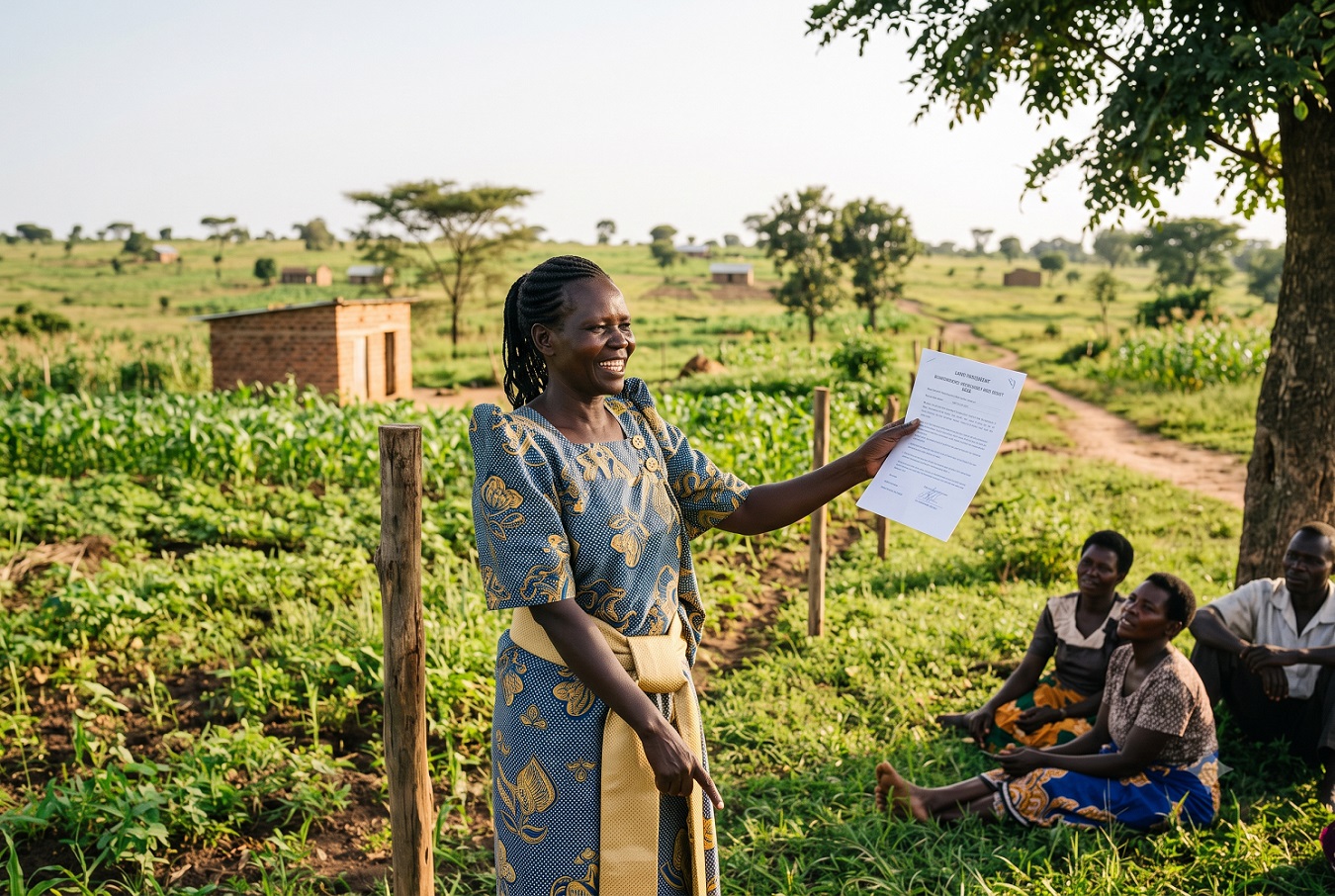
But Madina stayed and the only thing standing between her and eviction was a piece of paper, a land title with her name on it.
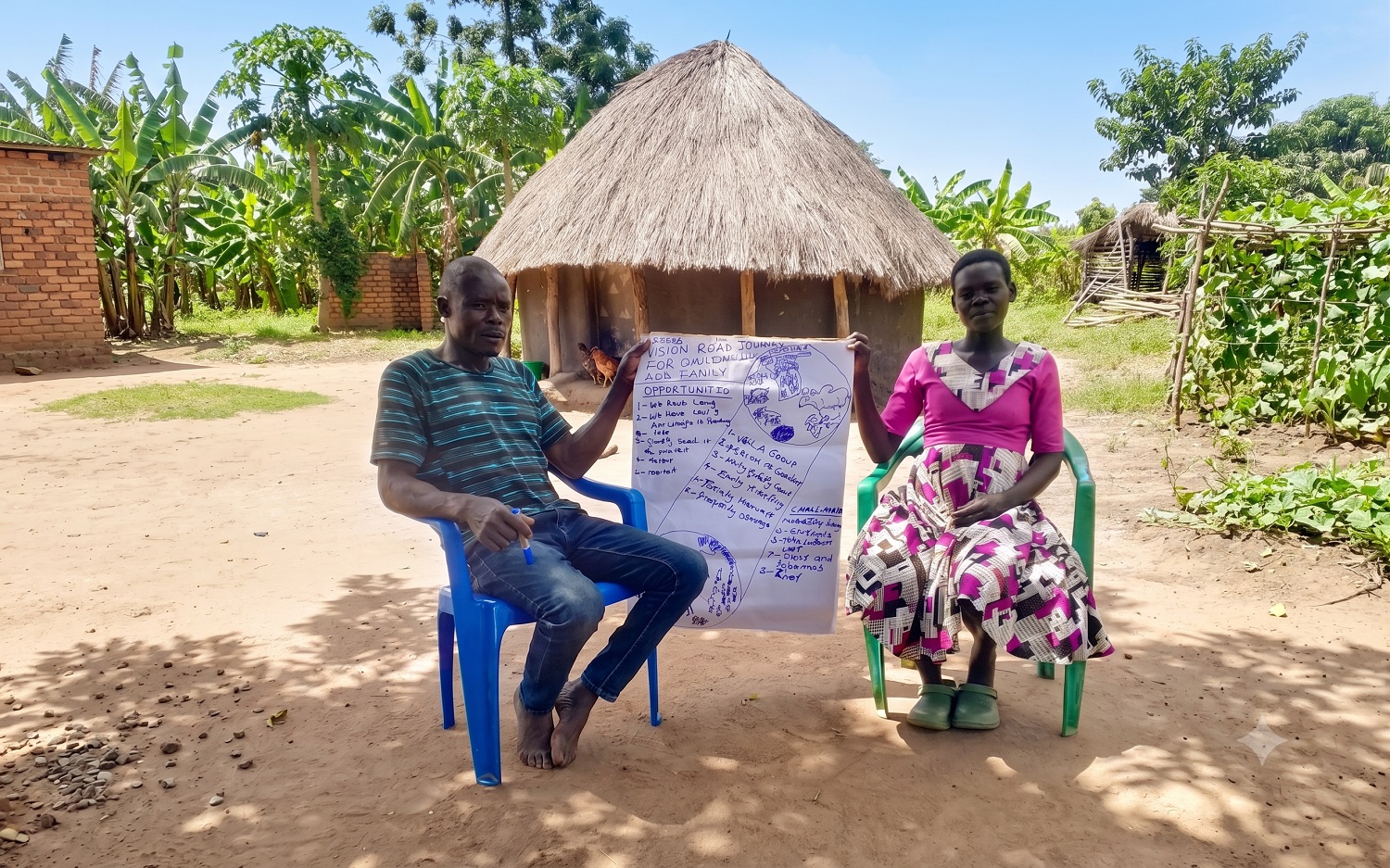
That land title wasn’t just luck, it was the result of a community sensitization campaign under the Scaling Up Community Based Land Registration and Land Use Planning on Customary Land project implemented in Butalejja supported by GLTN and UN Habitat.
Through this program, Madina’s late husband had learned that all his wives regardless of whether they had children could legally hold land rights if formally registered. Acting on this knowledge, he registered the land under the names of his wives and children unknowingly providing a shield for Madina’s future.
Living with Security
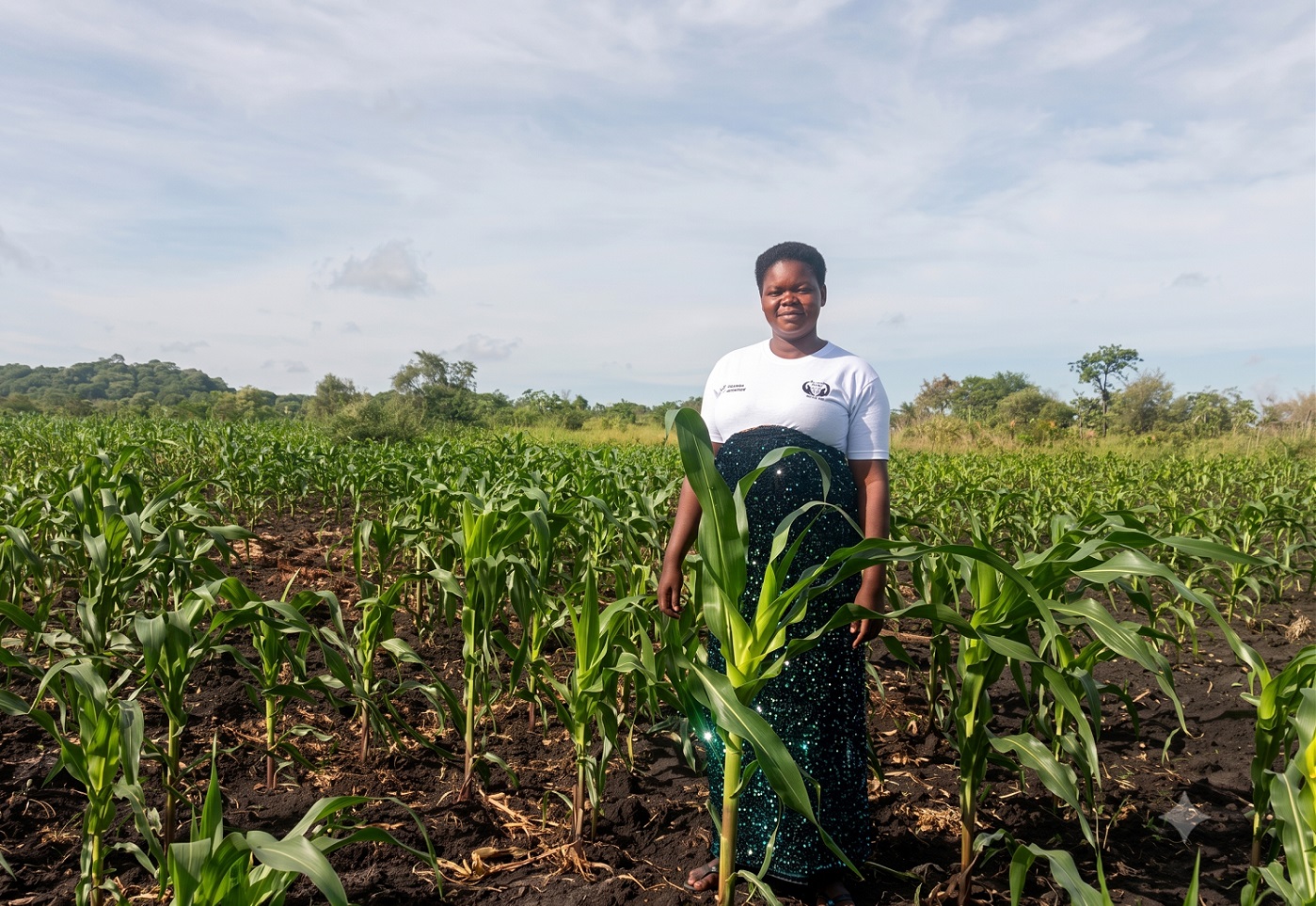
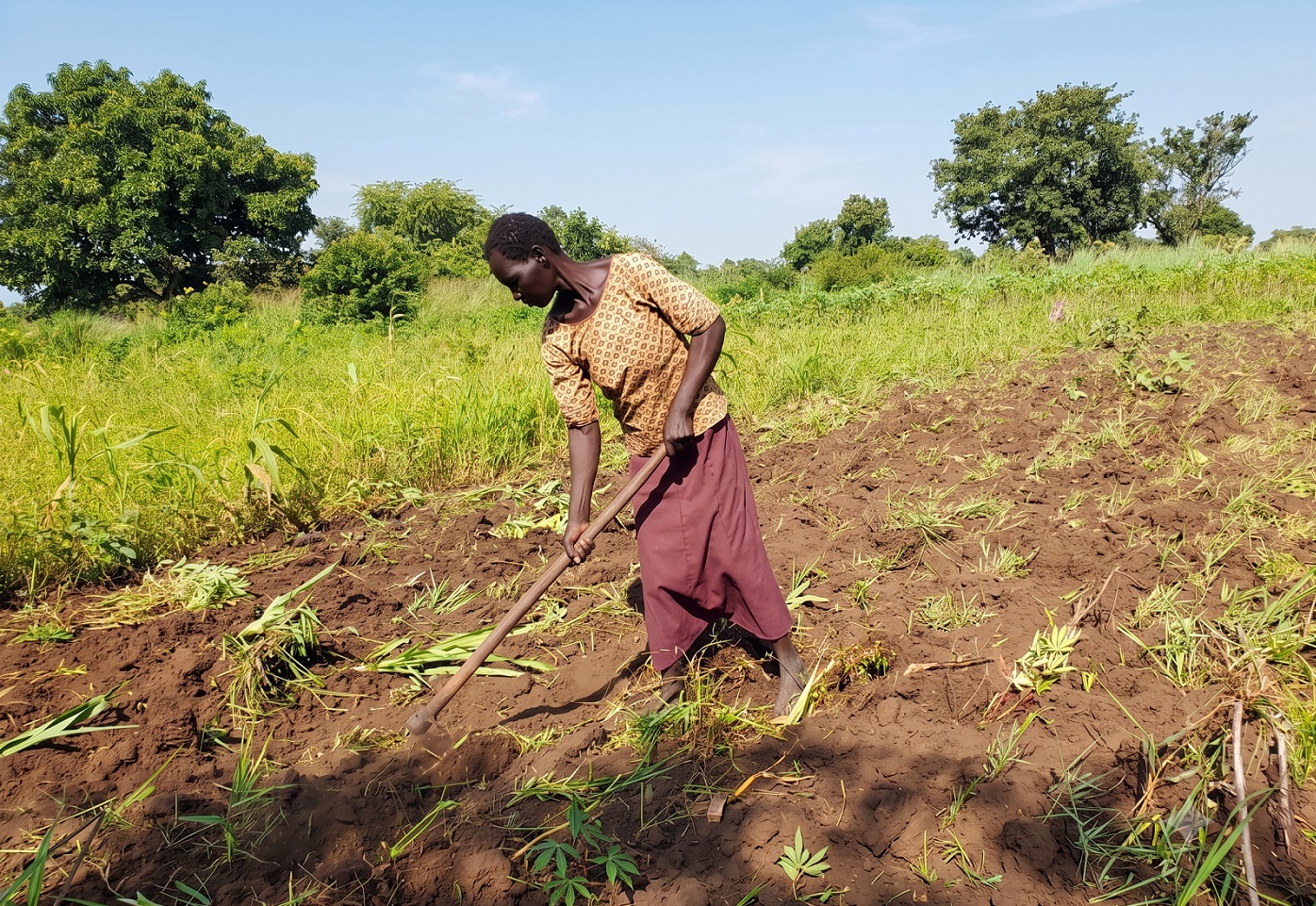
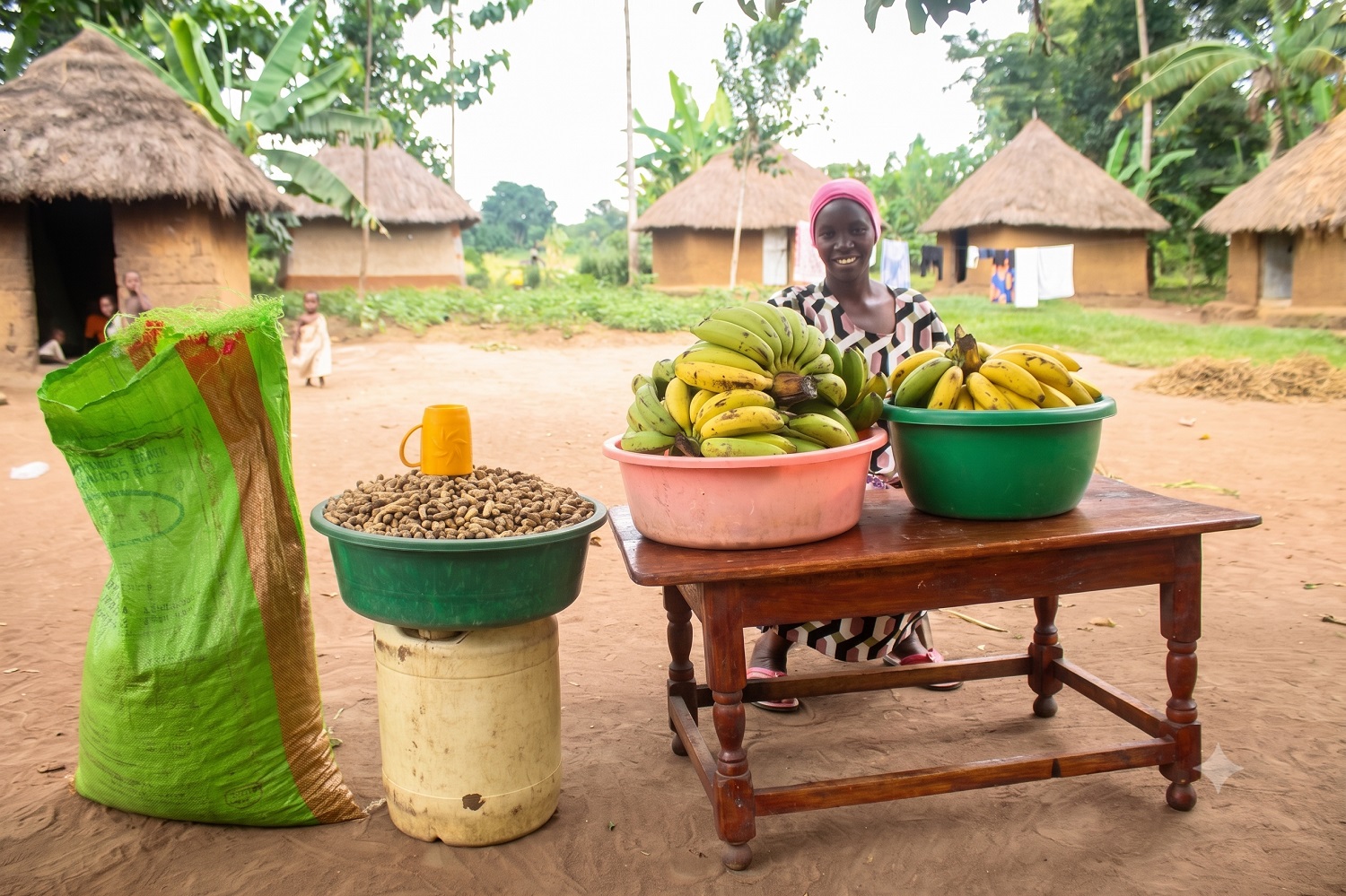
Today, Madina thrives on the land that is legally hers. She grows crops, rears goats and poultry, and uses her small forested area for firewood and timber. What could have been a fight for survival became a chance at stability.
“Because the land is legally mine, no one can chase me. I can work, eat and live in peace,” she says. Madina’s story is one of many showing the impact of legal land documentation. In communities where customary practices often exclude widows without children secure land rights offer both protection and empowerment.