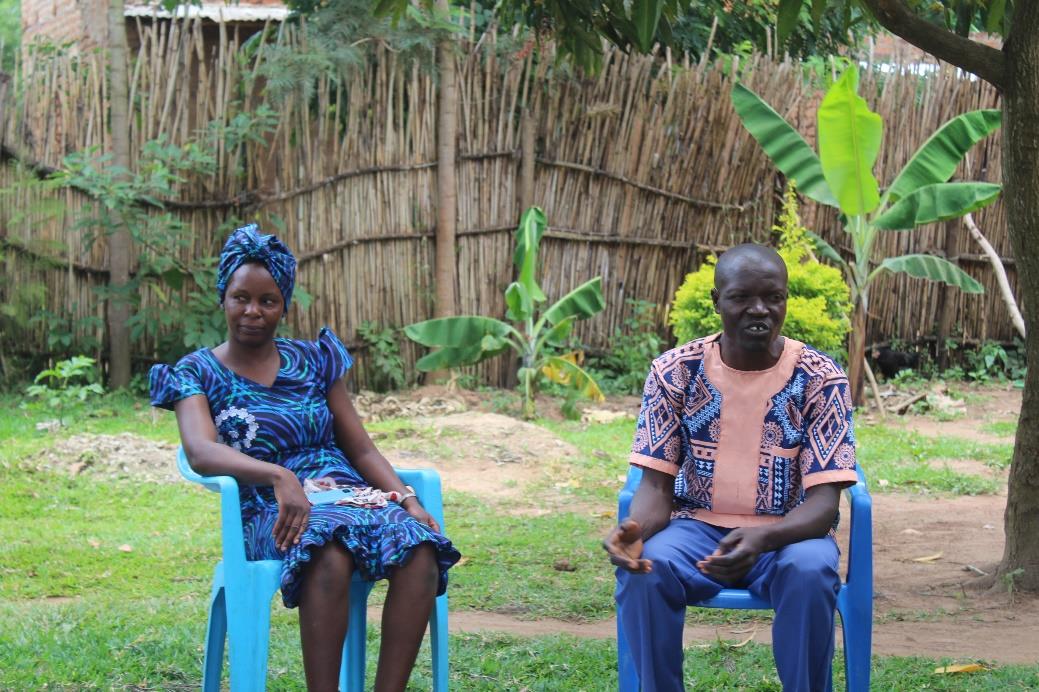
In the heart of Kapisa village, Mazimasa sub county, Butalejja a couple is challenging one of the most deeply rooted norms that a a woman without children has not rightful claim to land.
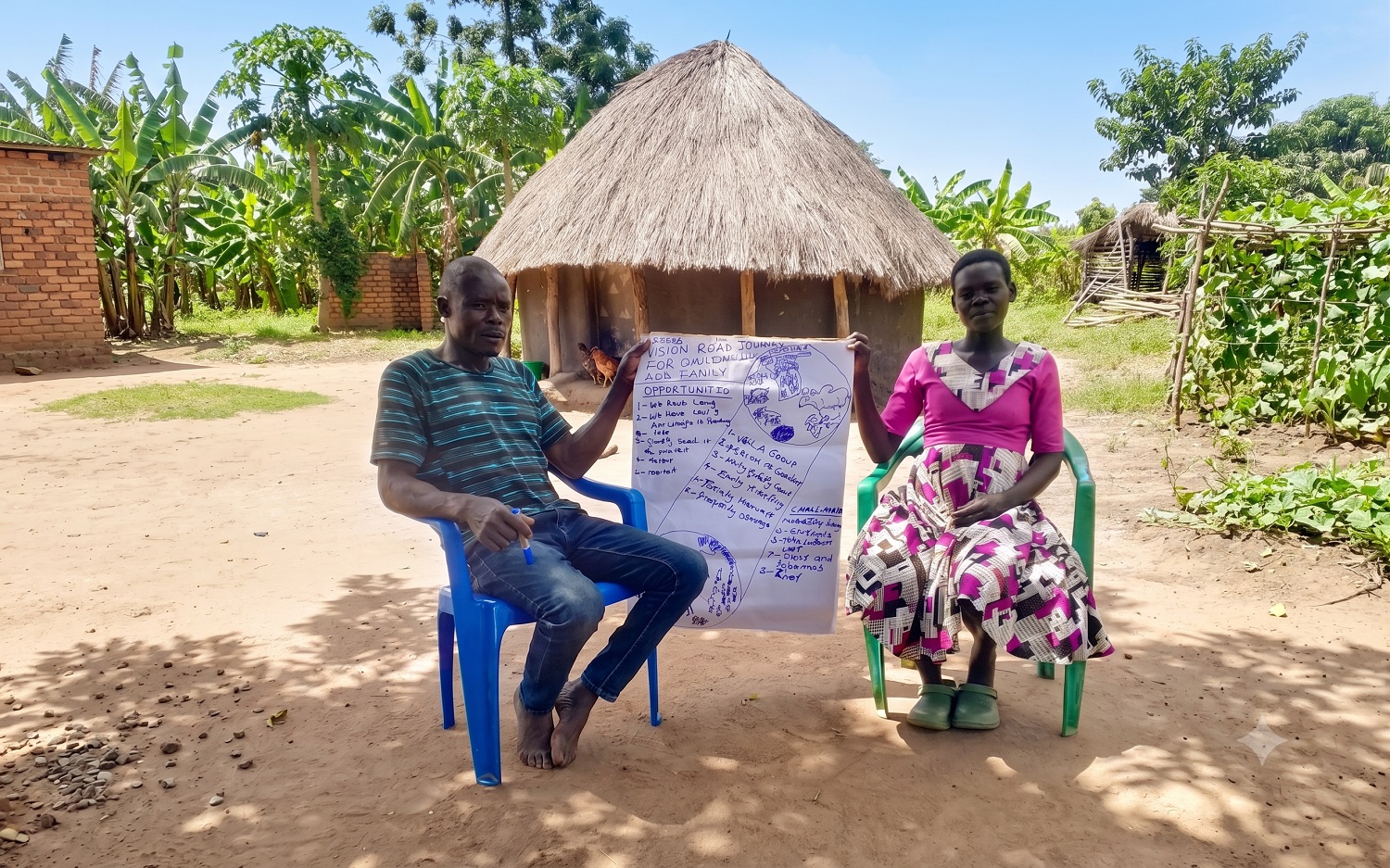
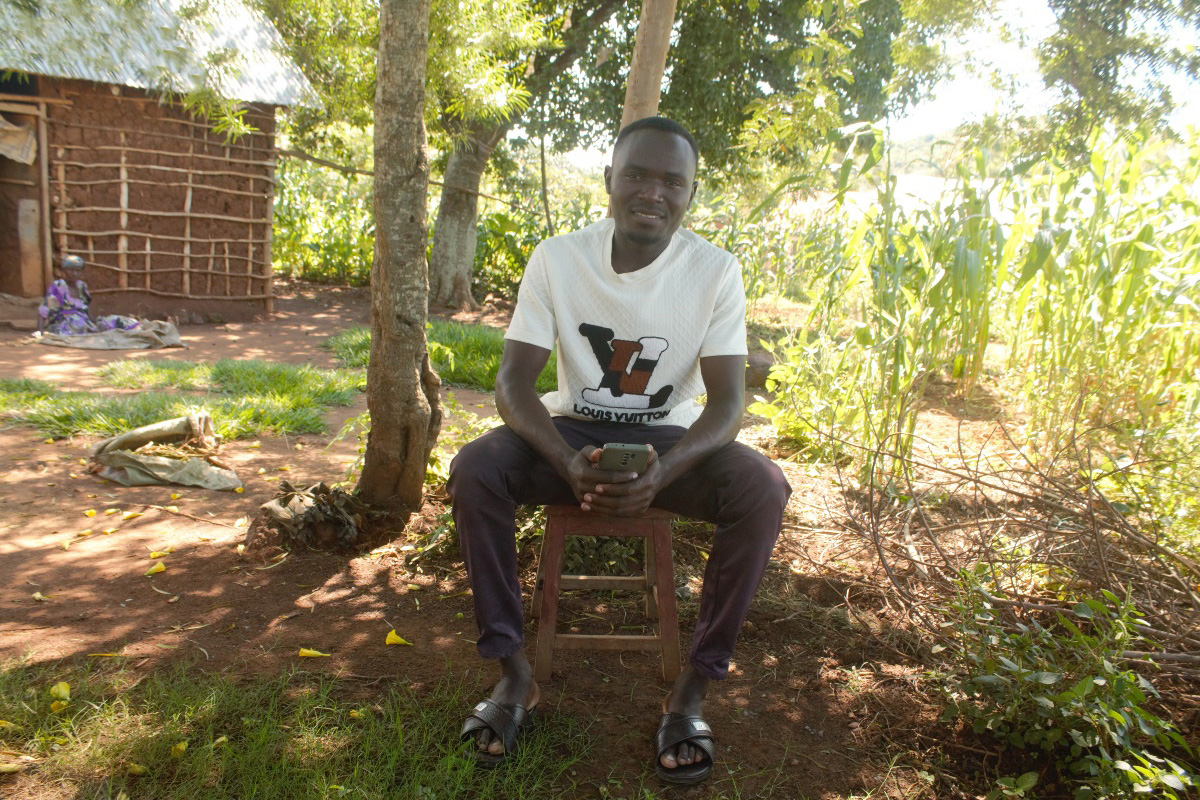
For over ten years, Mr Sam Mwangale and his wife Ms Jane Nasole have lived together as husband and wife. Despite the love they share in their family, they do not have biological children. In their community, this is uncommon as many people believe that a woman must have children to be valued or to have a right to claim land. Despite this, Sam and Jane have stayed together and continuously support each other challenging these long held beliefs.
In many parts of Uganda,under some traditional norms, a woman’s right to land especially when married into a family is often conditional on her ability to produce heirs. Without children, women like Nasole are seen as transient with no secure claim to the land they live on and cultivate. In extreme cases, widows without children are evicted or denied inheritance altogether.
But Sam and Jane’s story took a dramatic turn in 2023 when they attended a community sensitization meeting facilitated by the Uganda Community Based Association for Women and Children’s Welfare (UCOBAC). The event was part of the broader Scaling up Community Based Land Registration and Land Use Planning on Customary Land in Uganda project, supported by the Global Land Tool Network (GLTN) and UN Habitat.
At the sensitization meeting community members learned about women’s rights under Uganda’s constitution and statutory land laws. For Mr Mwangale, it was a moment of awakening.
“I realized that legally my wife has land rights whether or not we have children. And I learned that the only way to truly protect those rights even after I am long gone is to register our land together,” said Mr Mwangale.
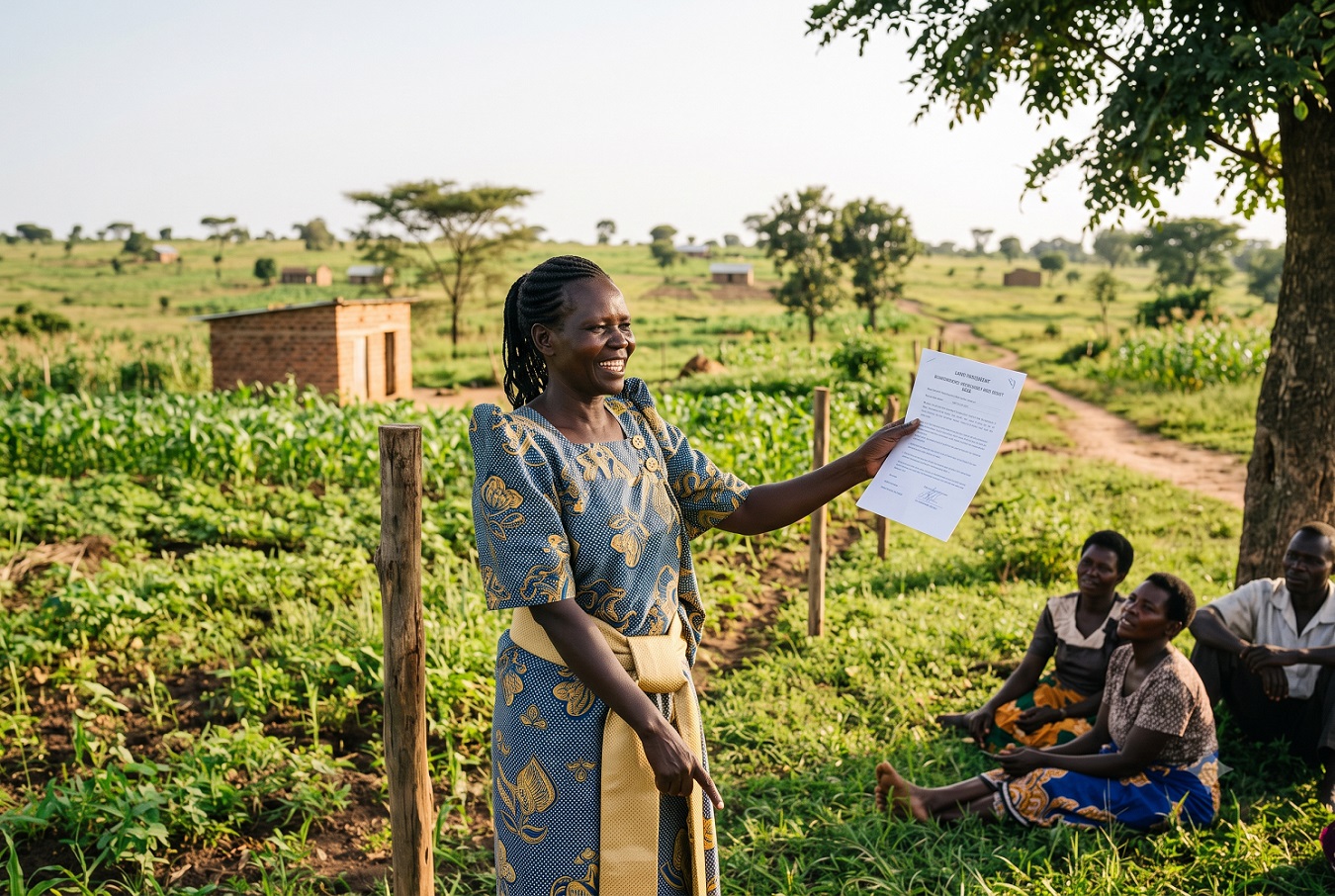
The meeting further sparked a decision that would change their lives. The couple moved quickly to register all three of their land parcels under their joint names. With support from the project, the couple completed the process gaining legal documentation and formal recognition of their ownership.
Tenure Security Unlocks Possibility
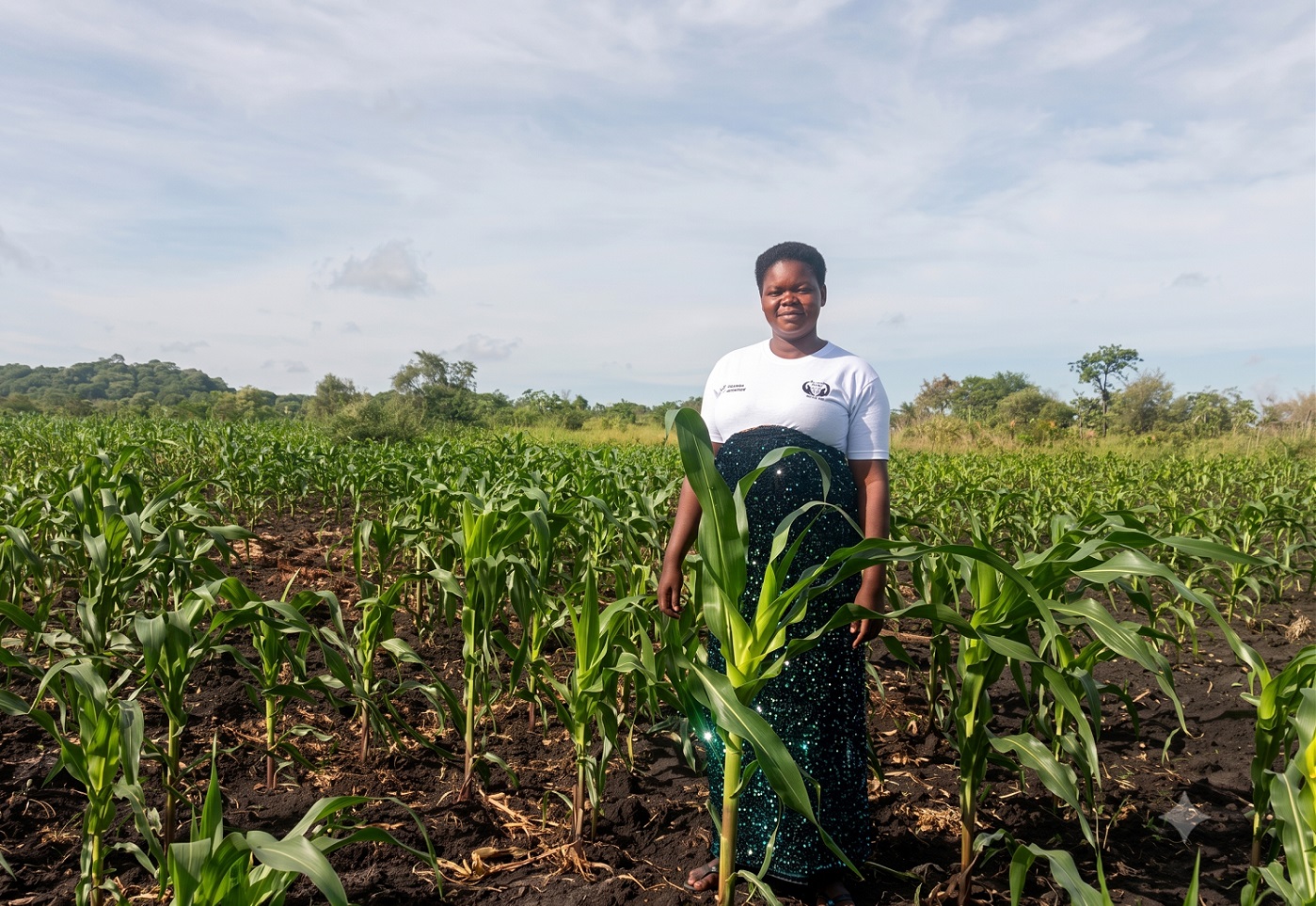
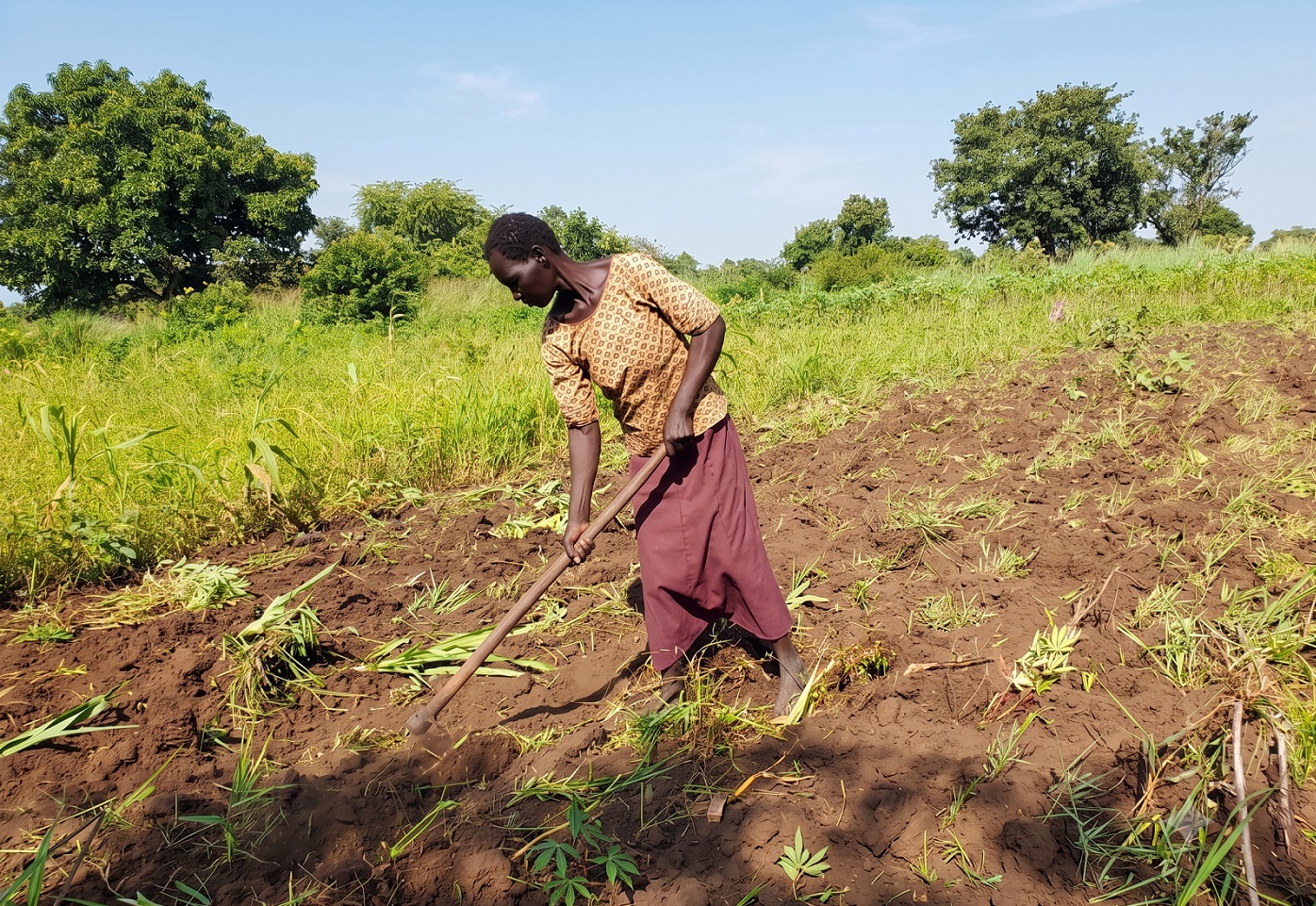
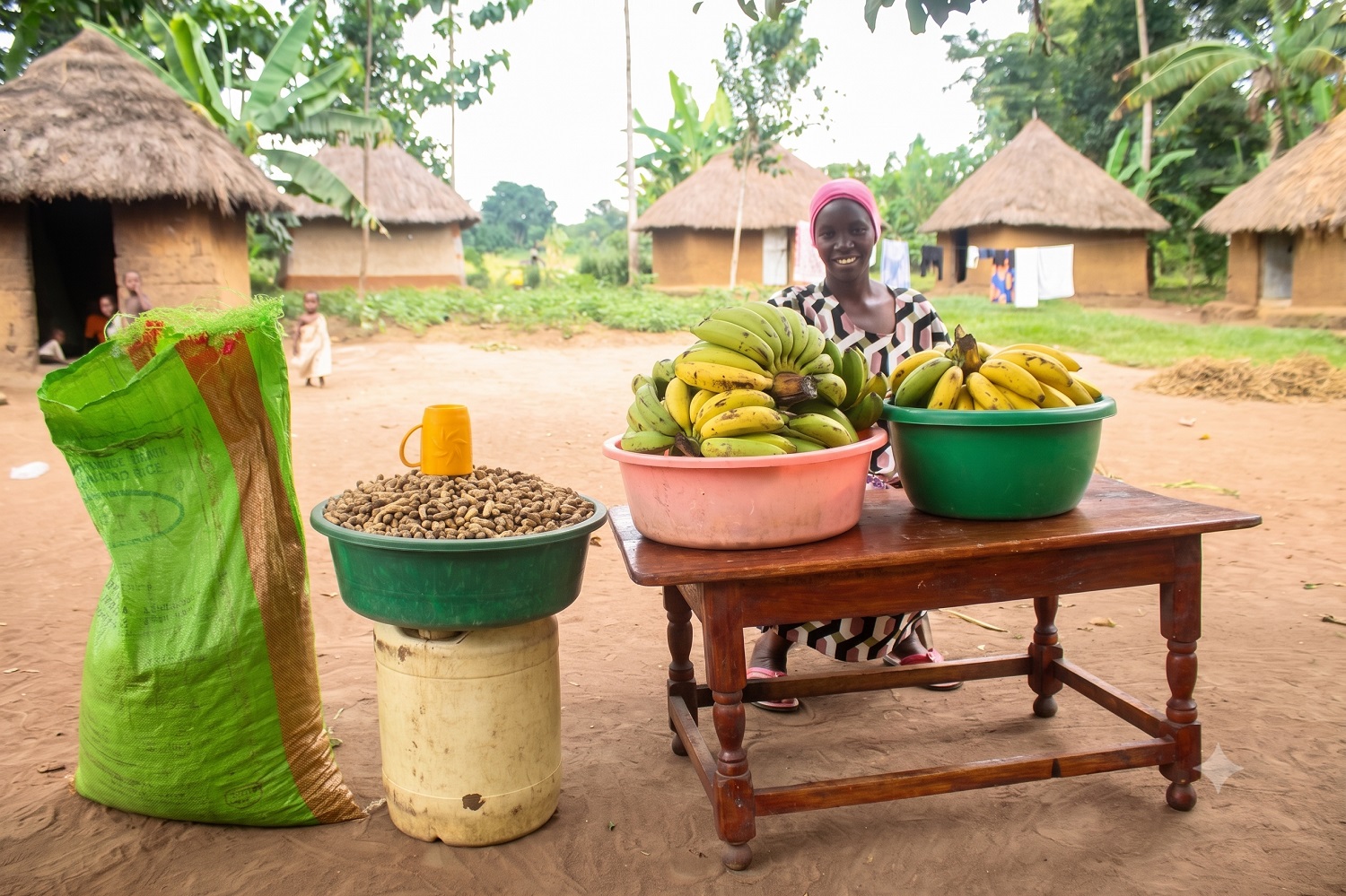
The impact of formal land registration were immediate and far reaching. Previously subsistence farmers, Mwangale and Nasole shifted to commercial agriculture. They shifted from growing crops just for food and instead expanded for sale.
The also started saving and ventured into other businesses that generated more income for their home.
“Knowing that we have full rights over this land and that no one would take it away.We invested more in this land. We started growing on a large scale, we used the profits to start poultry and turkeys, and now we run a small poultry business”
Ms Nasole made another bold move, she went back to school to train in hairdressing. Today, she runs a thriving salon business in a nearby trading center an achievement that has earned her respect and recognition in the community.
The couple is now building a permanent brick house, a symbol of their stability and shared success. Mr Mwangale and Ms Nasole’s story stands out for its challenge to traditional gender and cultural norms. Their story is a powerful example of how joint land registration can unlock economic opportunities and create lasting change in a family. By securing their land rights together, the couple was able to move from subsistence farming to commercial agriculture, invest in new businesses and build long term financial stability. The process has not only improved their livelihoods it has also strengthened Ms Nasole’s confidence and ability to actively take part in key family and community decisions.