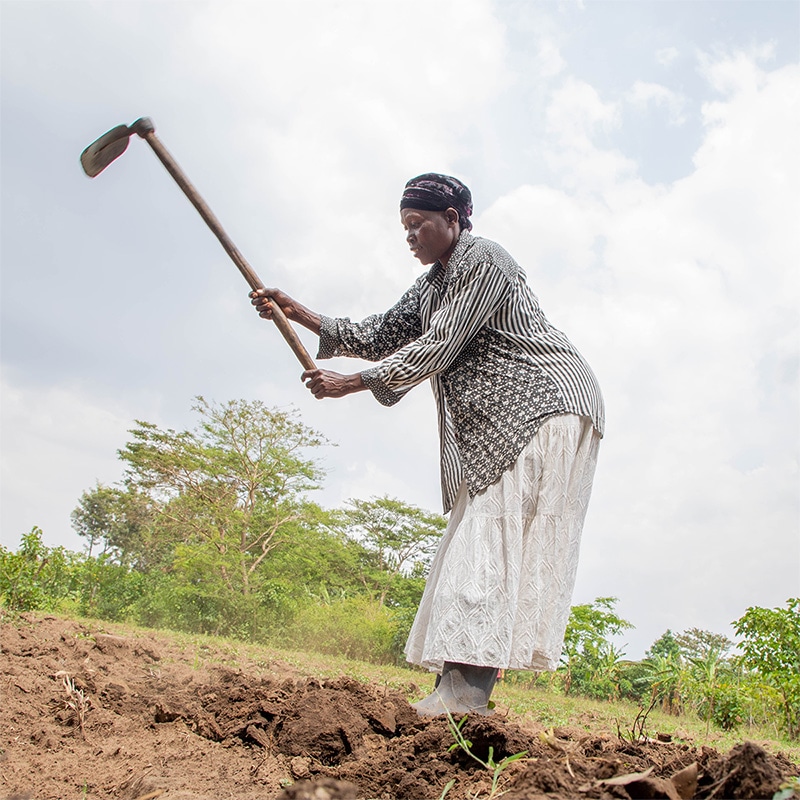
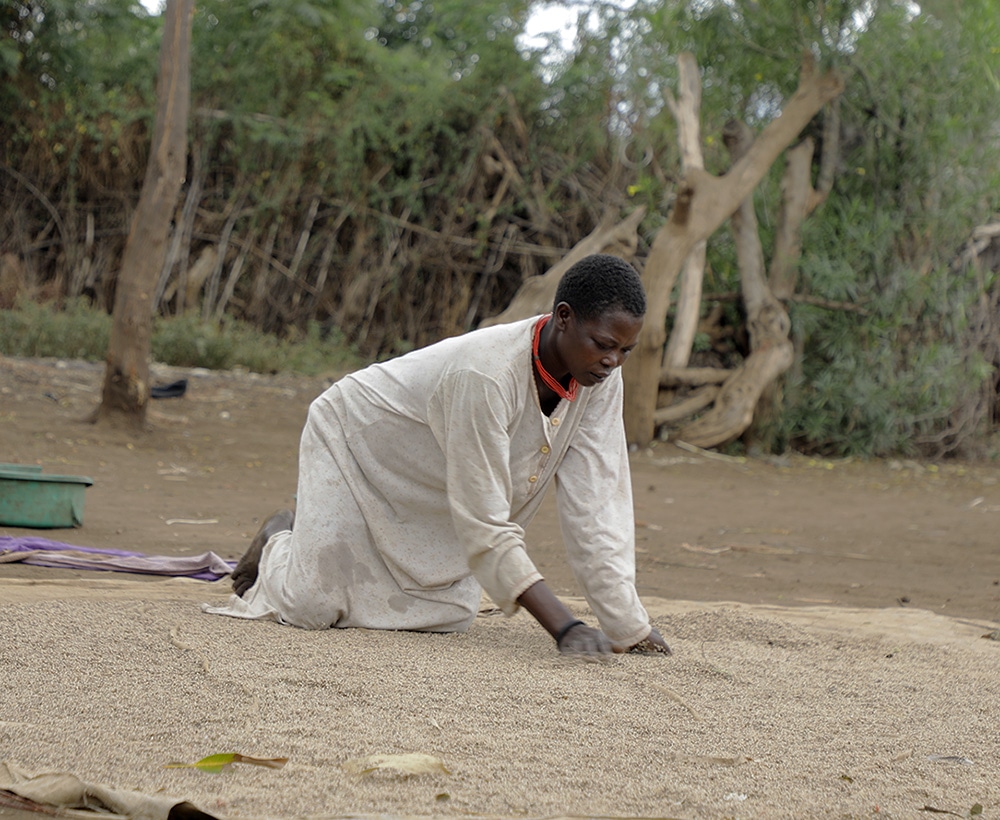
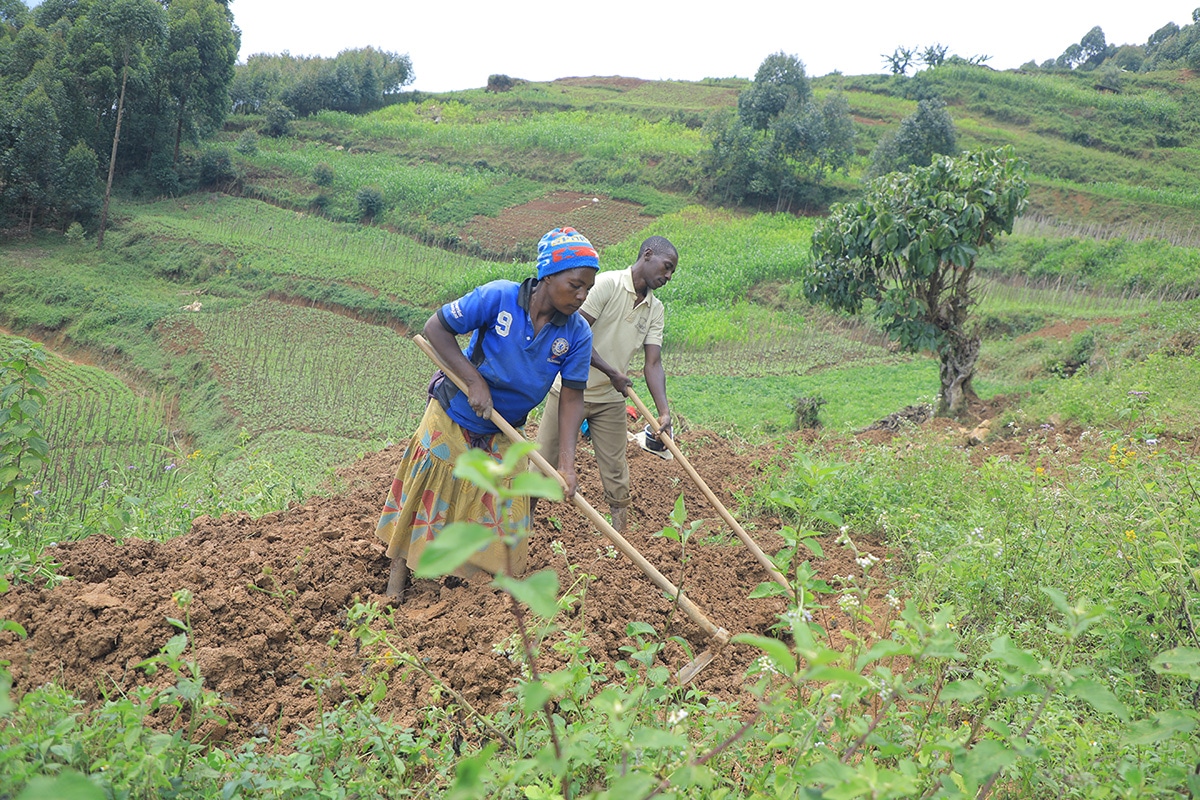
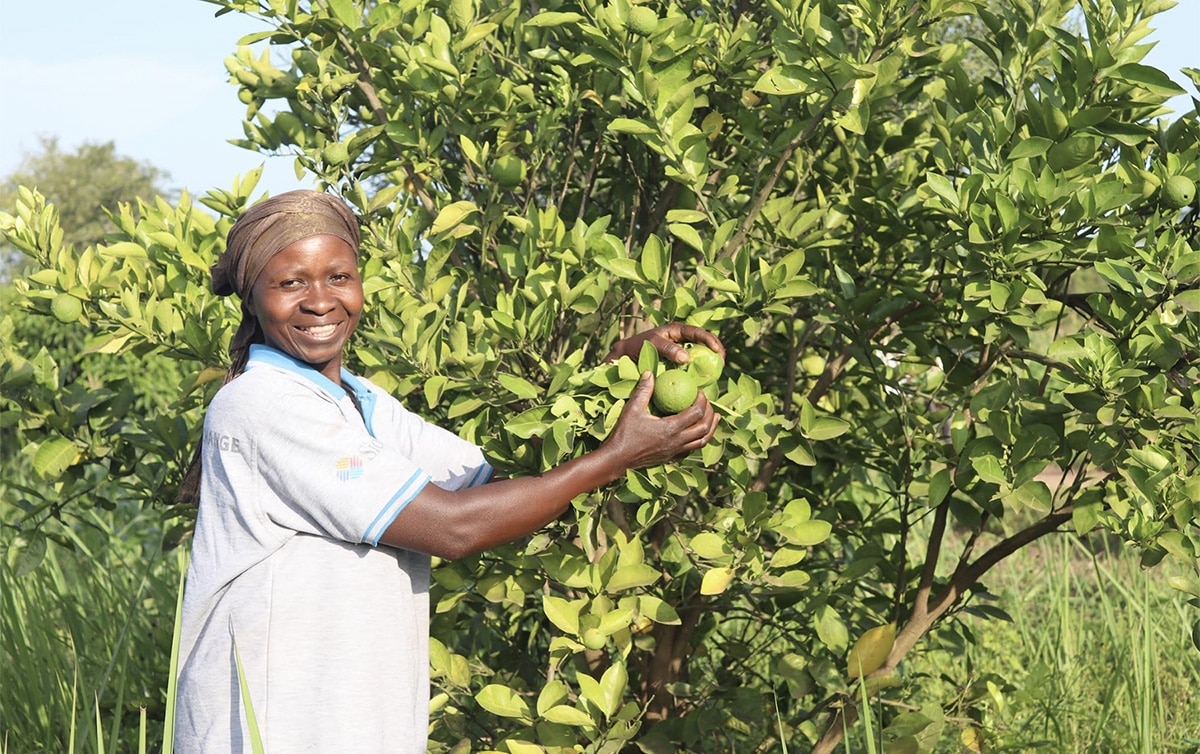
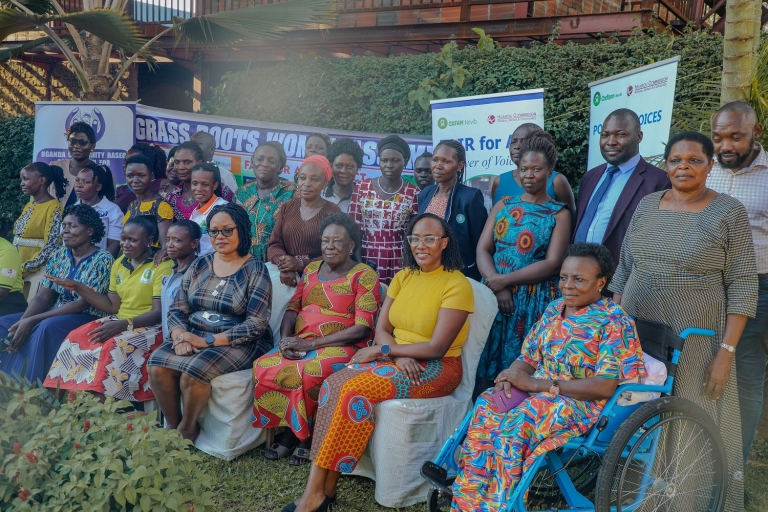
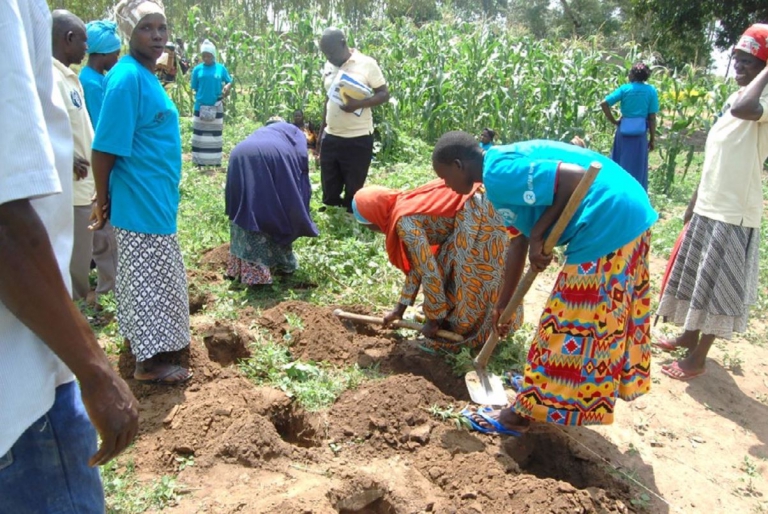
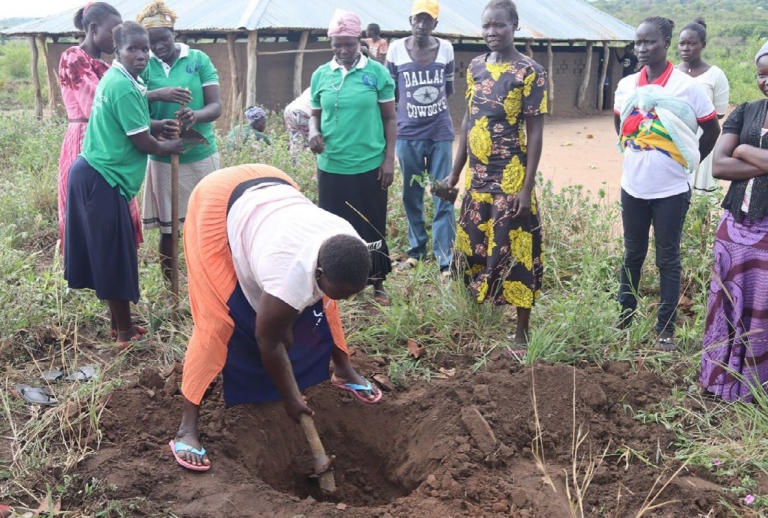
Under the Climate Change and Resilient Livelihoods (CCRL) program, we aim to build the capacity of communities – especially women and rural populations—to withstand the effects of climate change on their livelihoods. The program promotes climate-smart agriculture, agroforestry, and community-driven adaptation practices.
Copy Link
Share on Facebook
Share on X
Share on Whatsapp
Share on LinkedIn
About the Climate Change and Resilient Livelihoods Program
Objective: We work to build resilient communities to effects of climate change
Impacts of climate change are not gender neutral due to existing gender inequalities
Climate change is one of the most challenging threats to sustainable development in the world today. Climate change induced natural catastrophes including floods, prolonged droughts, storms among others mostly affect agricultural land and other natural resources like water, forest, wetlands and other eco systems on which many, especially those living in rural communities and women heavily rely to sustain their livelihoods, food security needs and play their care giving roles.
It is on this basis that UCOBAC through its Climate Change and Resilient Livelihoods’ Program undertakes different activities to build community resilience to effects of climate change on their livelihoods.
CCRL Program interventions
Grassroots movement building and capacity strengthening for climate justice advocacy and action
Climate Change action though leveraging local/indigenous knowledge to innovate and implement climate change mitigation, adaptation, resilience and disaster risk reduction practices
Grassroots-driven climate justice advocacy to influence climate change public policy and financing
Economic empowerment through promoting community resilient livelihoods and value chains
Oue CCRL Adaptation Principles
Devolving decision making to the lowest appropriate level
Investing and adaptation of local/ indigenous practices
Addressing structural inequalities faced by women, youth, children, disabled, displaced, Indigenous Peoples and marginalized ethnic groups.
Providing patient and predictable funding that can be accessed more easily
Investing in local capabilities to leave an institutional legacy
Building a robust understanding of climate risk and uncertainty