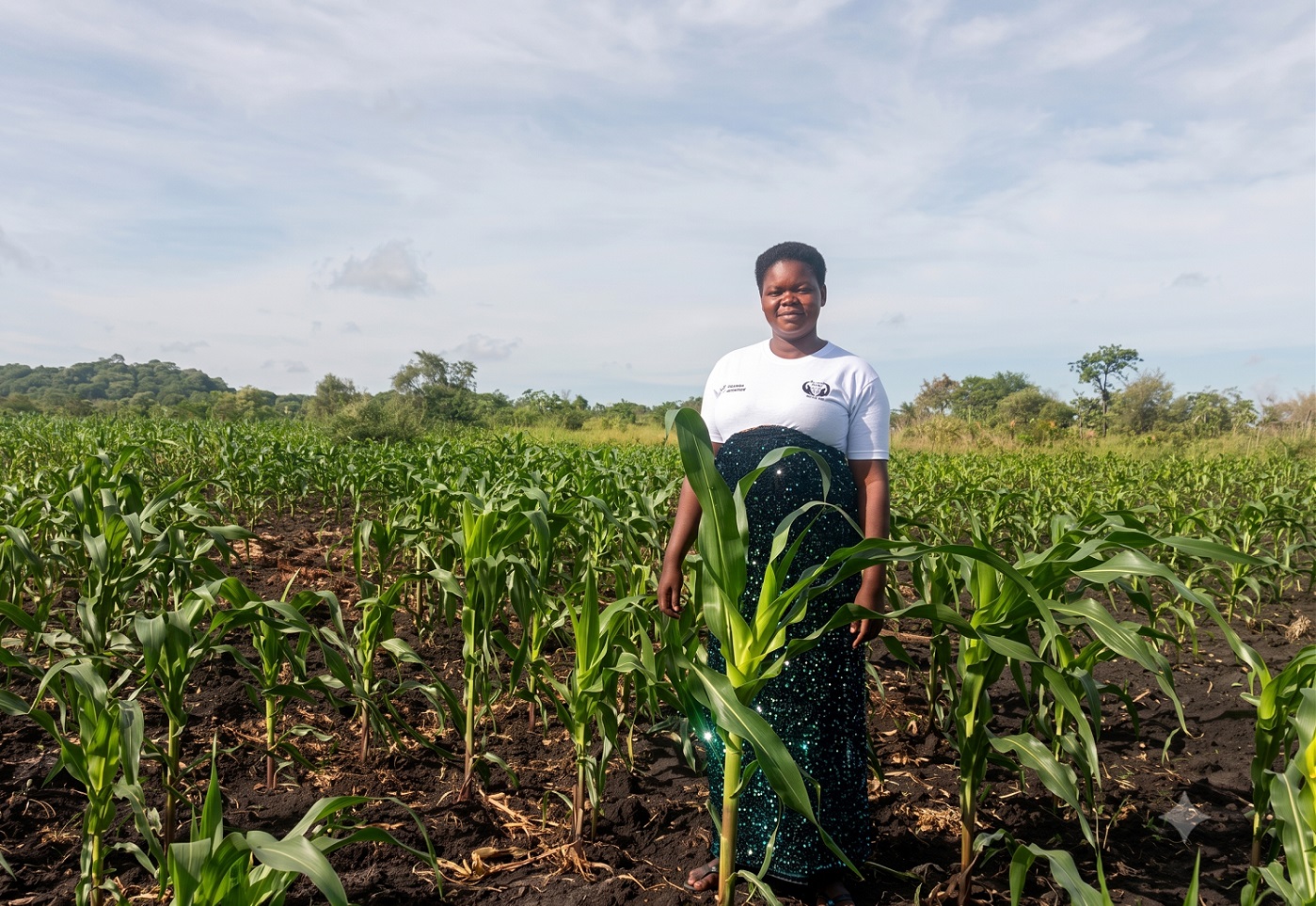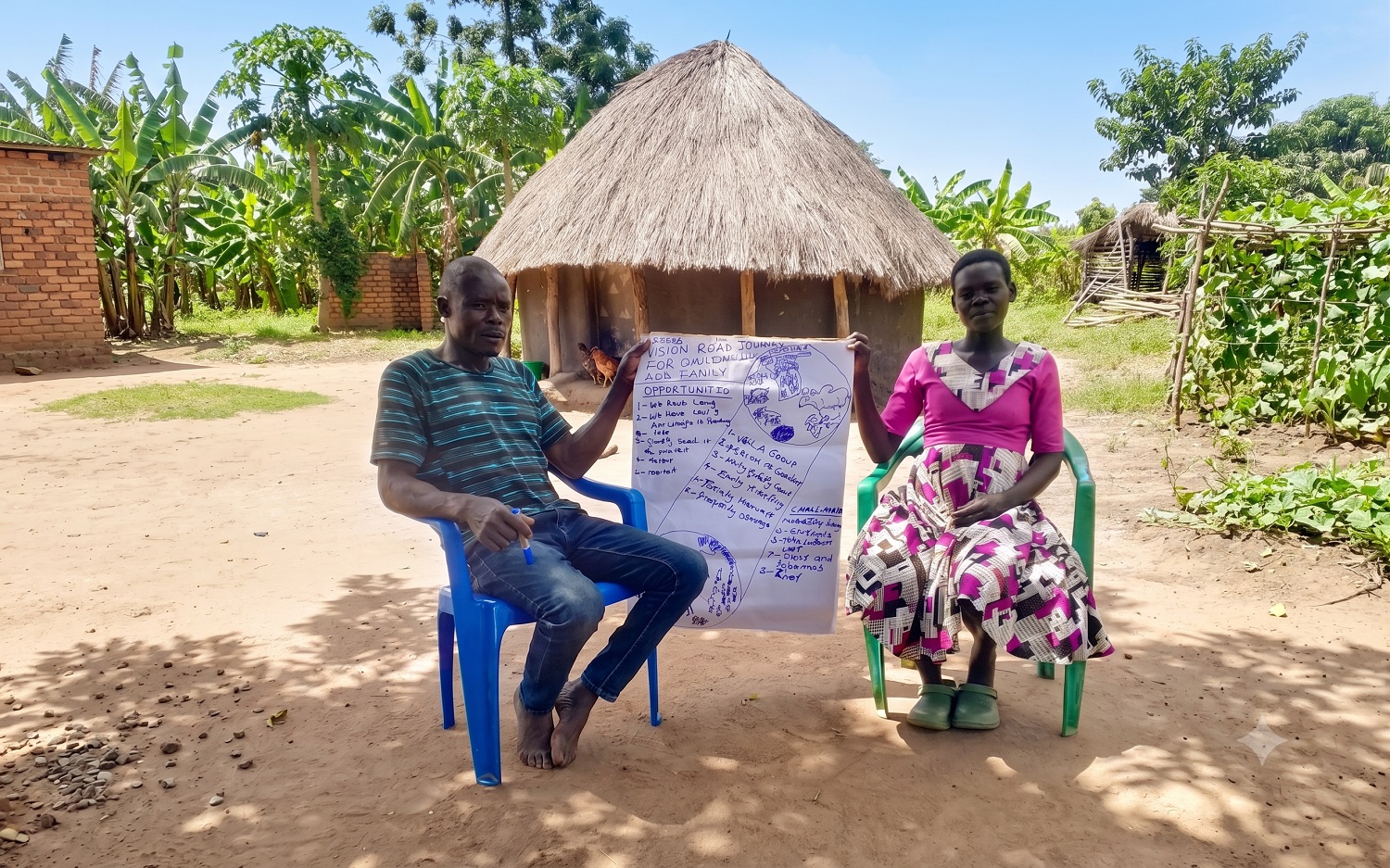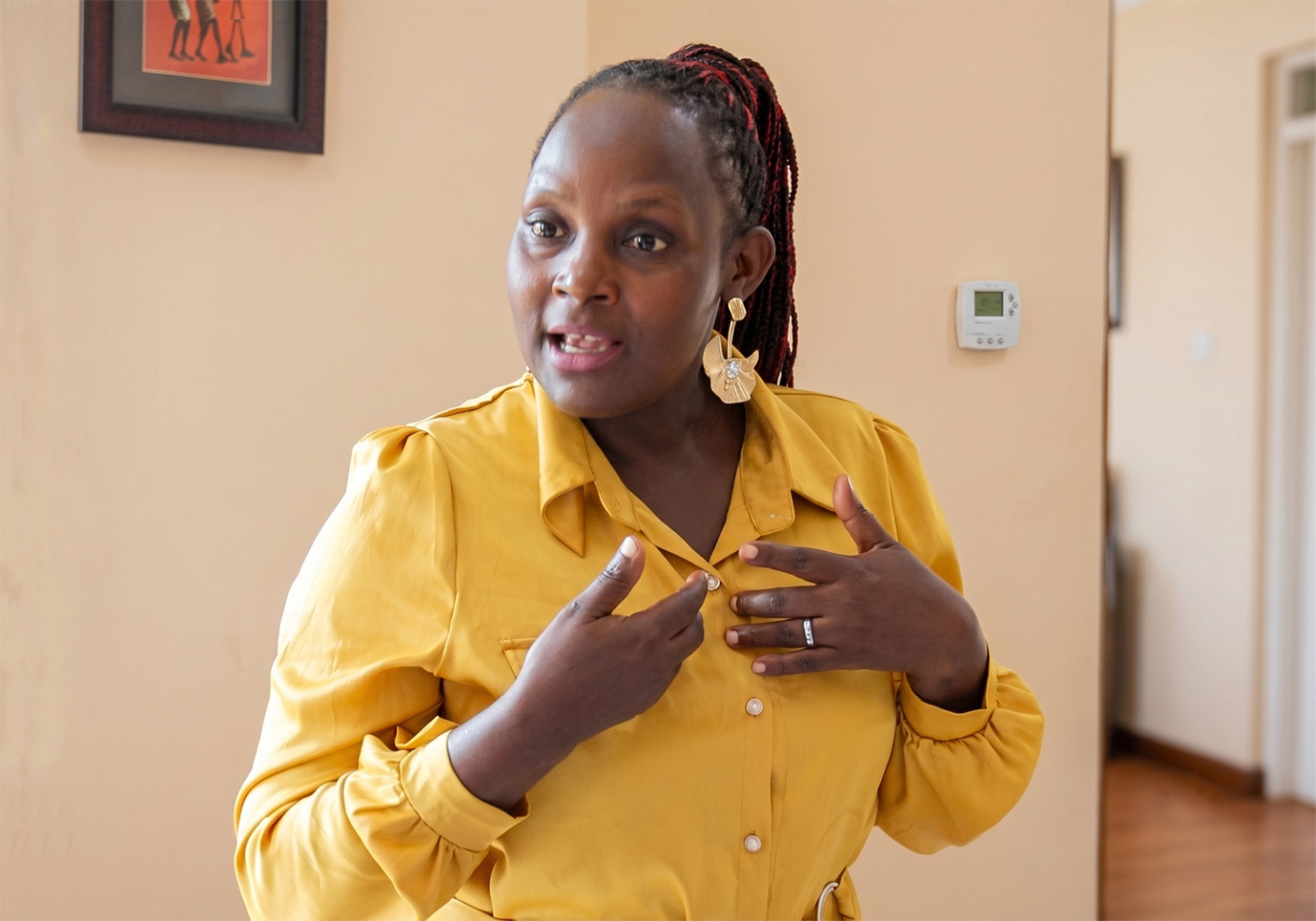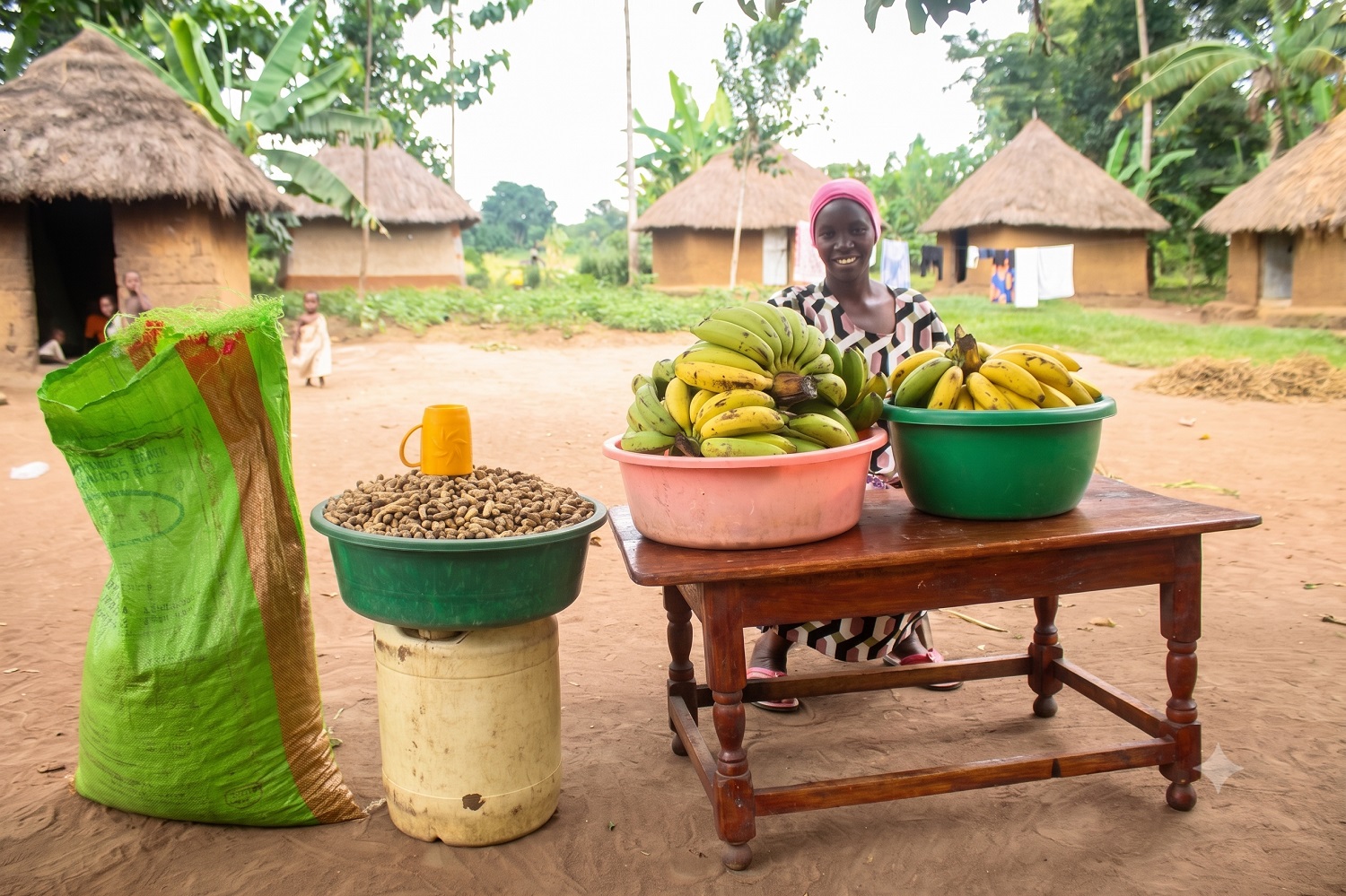
Elizabeth Kulabako, a resilient grassroots woman aged 41 years, resides in Nabyunu village, Bugeso parish, Iwemba sub-county, located in Bugiri district in Eastern Uganda. As a joyous mother of six children, affectionately known as Liz among her friends, she wears multiple hats as a farmer, tailor, trader, and a role model in all her endeavours.
Kulabako’s journey to empowerment and resilience
In the days before her involvement with UCOBAC programs, Liz’s agricultural activities were limited to around 20 cassava plants primarily grown for household consumption. She relied on the generosity of friends for clothing, had no income generating activity, and thus faced financial challenges, struggling to provide for her family’s basic needs mainly health and education needs.
”I used to borrow clothes from neighbours every time I had to visit relatives. I had land but I had known how or the money to make it more productive. I always had a dream of being a tailor but, I had no money to learn tailoring skills to fulfil that dream,” said Ms Kulabako.
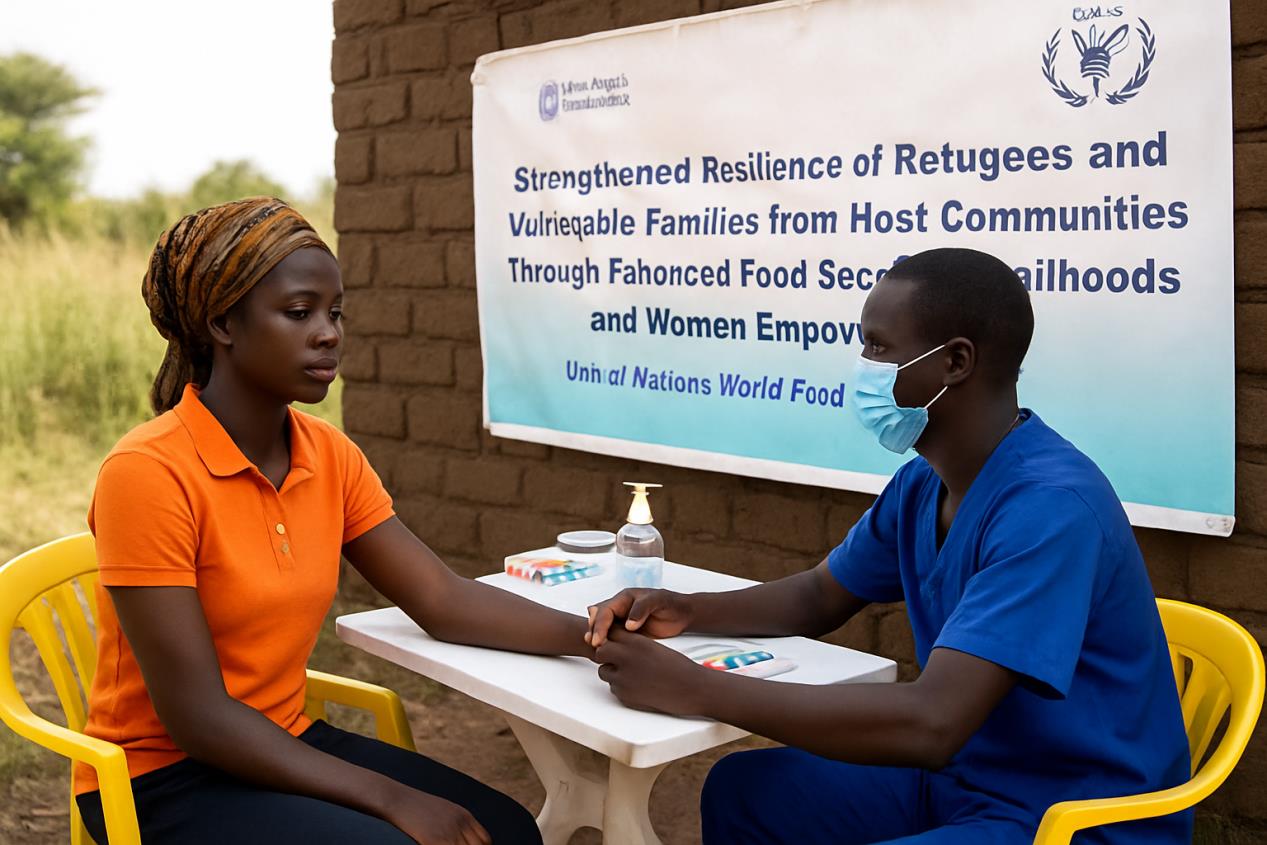
Her journey took a positive turn when she became part of a savings group introduced by Ms Andega Regina, other grassroots women in her village who was participating in a UCOBAC program and was mobilizing women in her village to join the savings group. This was her entry to being involved in a UCOBAC program that was focused on facilitating organized grassroots women groups to scale up their local practice to build resilience to effects of climate change on their livelihoods. Joining this savings group pave way for Liz’s participation in UCOBAC program. UCOBAC provided the savings group with trainings on leadership, women’s land rights, climate change resilient livelihoods, business planning and management etc.
I have a Dream
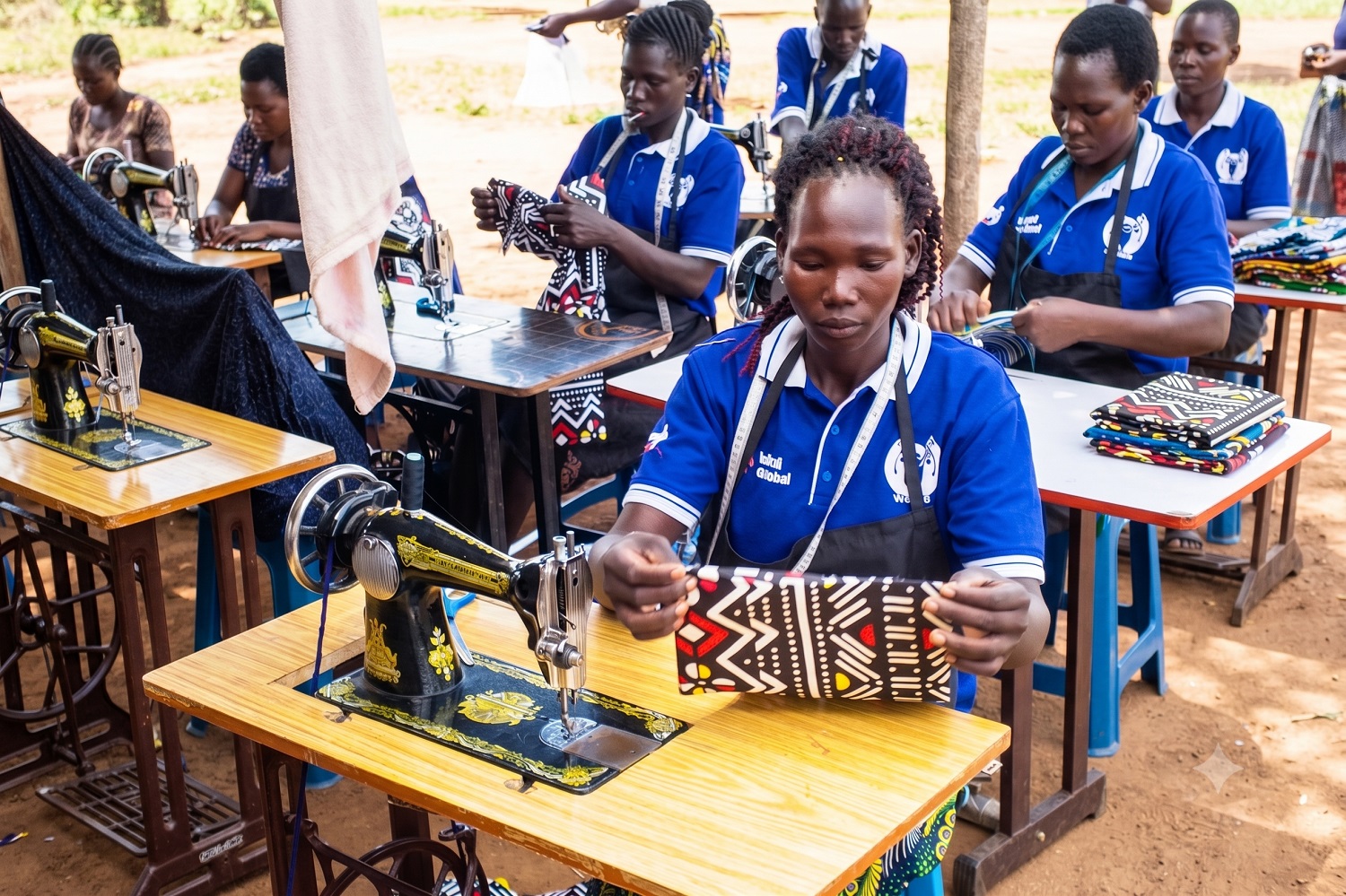
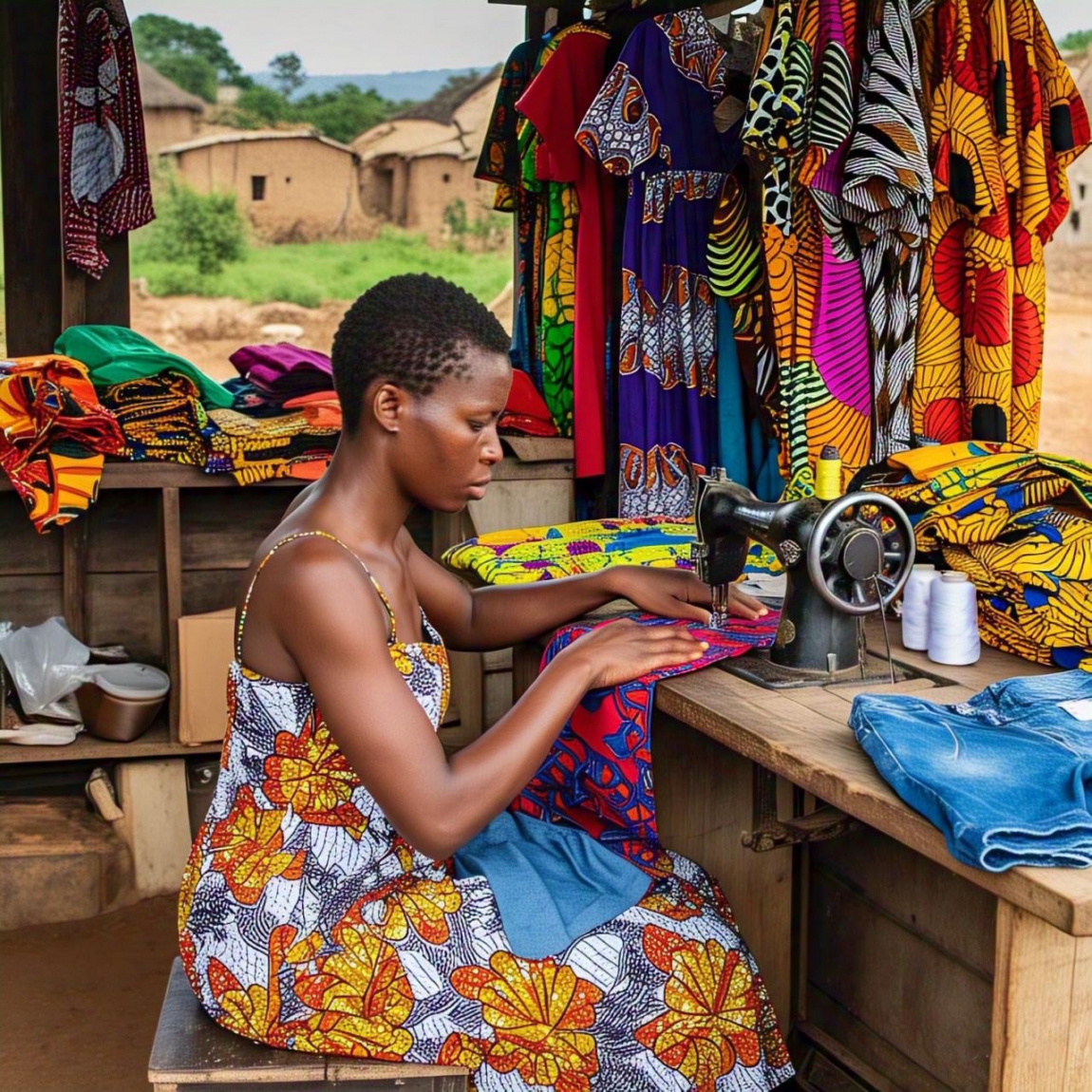
Ms Kulabako’s dream of becoming an expert tailor in the village continued to linger in her mind and she was determined to realize her dream. Through the skills and knowledge gained from the trainings as well as the income earned from her small business and savings from the village savings group, she bought one sewing machine from which she practiced her skill, started making an income and expanded the tailoring business where she owns five sewing machines and now runs a tailoring training center with 16 apprentices gaining valuable hands-on skills in training.
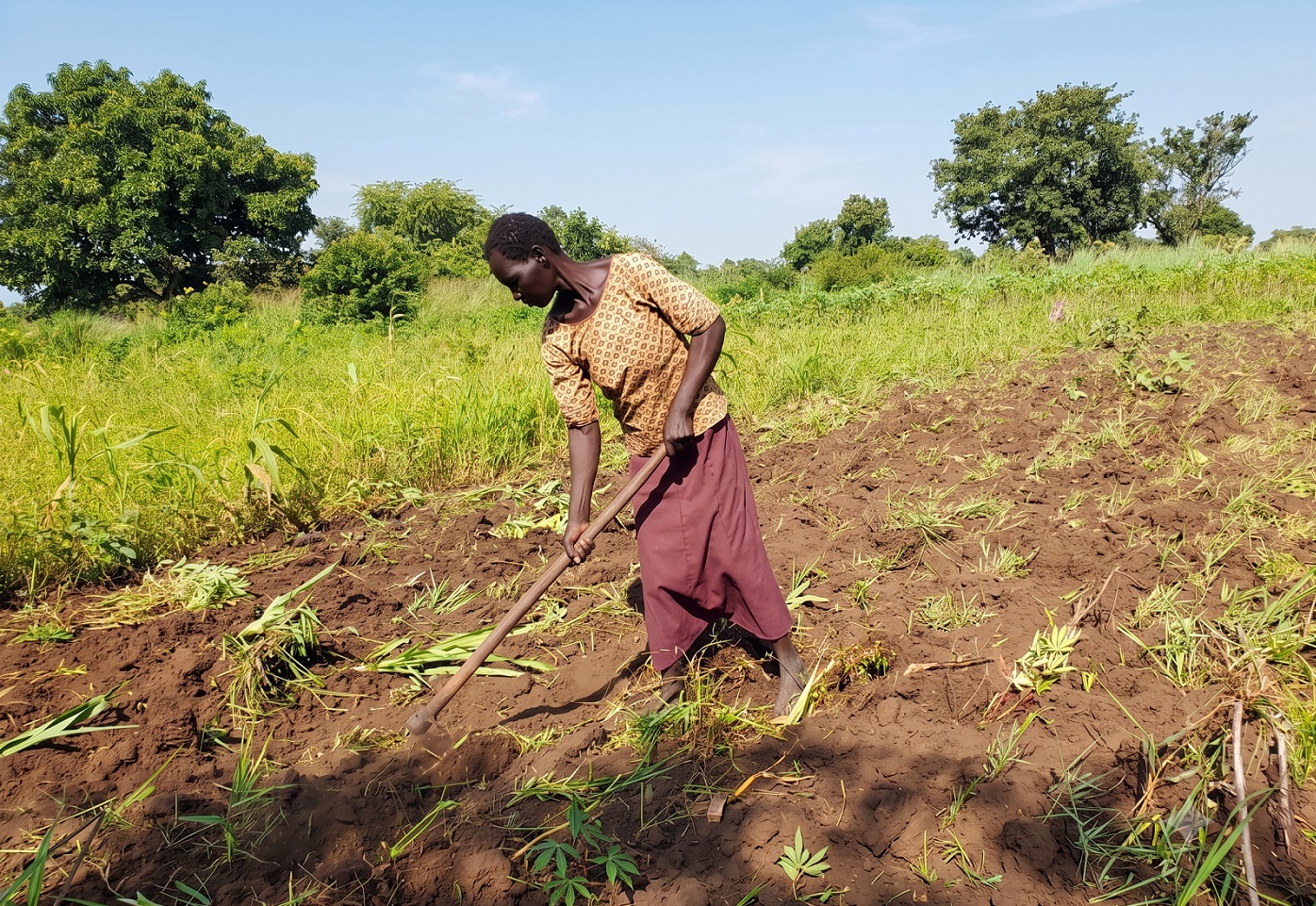
Additionally, Ms Kulabako expanded her agricultural pursuits, cultivating quick-maturing and drought-resistant cassava varieties on three acres to combat poverty and ensure food security in her home.
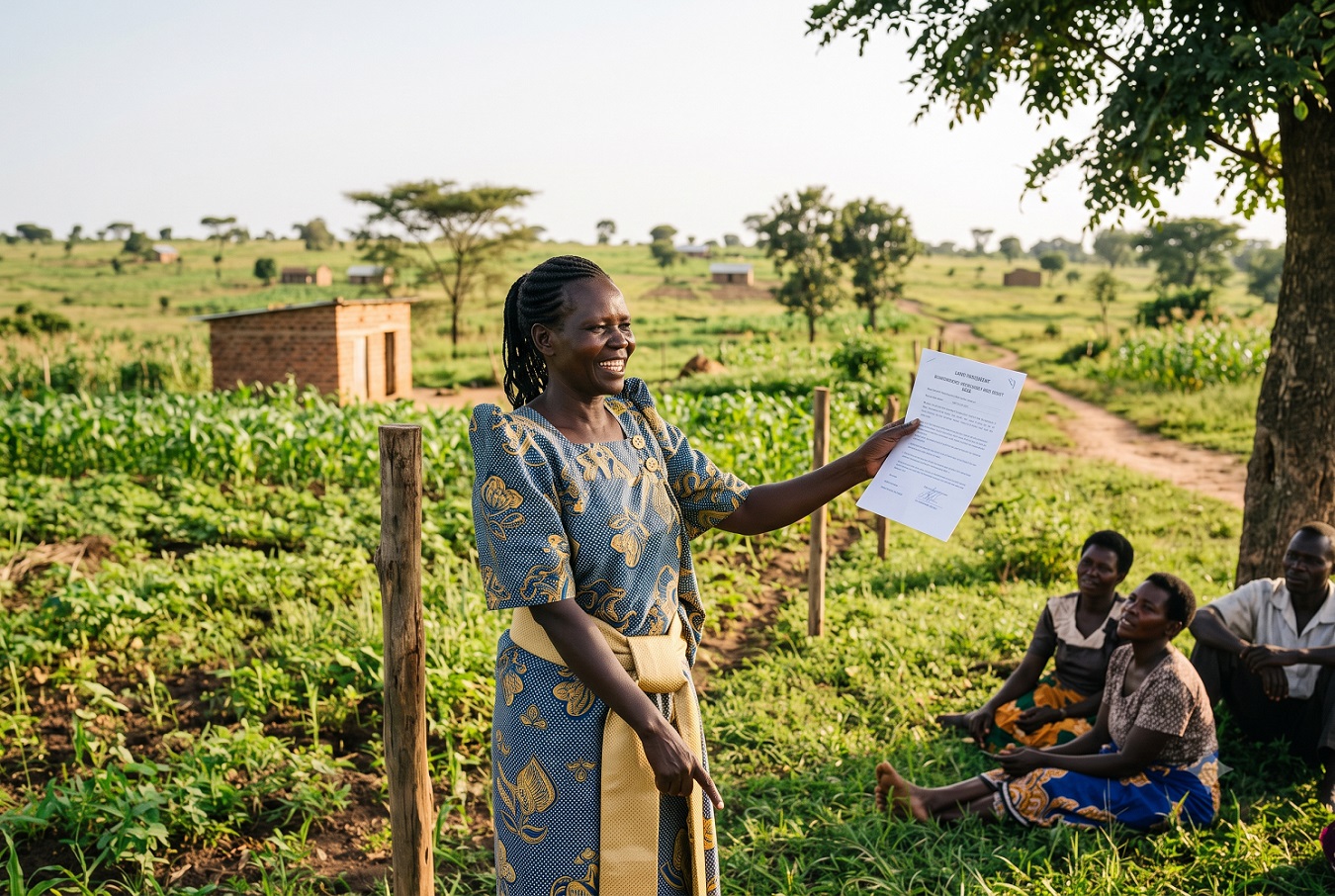
She added that her relationship at home with her husband has also greatly improved. They now work together in managing their growing coffee and cassava farming activities and make joint decisions for the good of the family. They are now involved in value addition for their coffee and casava crops in order to earn more income from their agricultural produce. “We have also registered our land” – she adds with a wide smile on her face. “I am a co-owner of the land with my husband”.
Elizabeth’s call to Action
Her call to government is to support in the form of access to equipment for coffee, cassava, and rice processing and value addition. Additionally, she calls for opening up space for grassroots women to participate in policy advocacy in order to influence policy frameworks, programming and financial allocation and extension services to support women to be resilient to effects of climate change.
Elizabeth’s story is one among many stories of how grassroot women are building their resilience to effects of climate change under a program on nurturing leadership of grassroots women’s organizations in scaling up community resilience in uncertain in collaboration with Huairou Commission facilitated under a SIDA fund.